


 03 Aug 2026

A portable purifier can help in one room, but it will not solve air-quality concerns throughout a home, office, or apartment building. Whole house air purifier installation connects air-cleaning technology directly to your HVAC system, treating the air as it circulates through the ductwork. For New Jersey property owners dealing with seasonal allergies, pet dander, dust, odors, or high-occupancy spaces, that broader coverage can make a noticeable difference.
The right system is not simply the strongest unit available. It must fit the building, the existing heating and cooling equipment, the duct layout, and the concerns you are trying to address. A professional evaluation helps ensure the equipment improves indoor air quality without restricting airflow or creating unnecessary maintenance demands.
How Whole House Air Purifier Installation Works
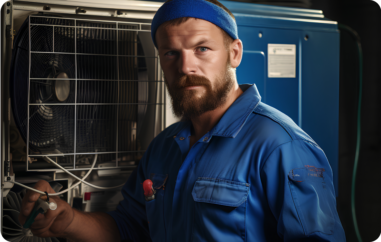
A whole-house air purifier is installed within or alongside the central HVAC system, usually near the return duct or air handler. As air moves through the system, the purifier captures, neutralizes, or reduces airborne contaminants before conditioned air is delivered back into rooms.
Depending on the technology selected, a system may target particles such as pollen, dust, and pet dander; biological contaminants such as mold spores; or odors and certain volatile organic compounds. Some products use enhanced media filtration. Others use electronic collection, UV light, activated carbon, or a combination of methods.
Placement matters. An experienced HVAC technician reviews available space around the air handler, electrical access, service clearances, duct condition, and airflow direction before recommending an installation approach. The goal is to add cleaner-air capability while allowing your furnace or air conditioner to operate as designed.
Start With the Problem You Want to Solve
Indoor air quality is not a one-size-fits-all issue. A family with two shedding dogs has different needs than a household managing asthma, while a property manager may be focused on odors, dust complaints, or maintaining healthier common areas.
Before choosing equipment, consider what you notice most often. Are allergy symptoms worse indoors? Is there visible dust shortly after cleaning? Do cooking odors linger? Has a renovation introduced new materials and chemical smells? Does one part of the building feel stuffier than another?
These details help determine whether an air purifier is the best first step or whether the system also needs duct cleaning, humidity control, ventilation improvements, filter upgrades, or HVAC repair. For example, a purifier cannot correct a hidden moisture problem that is allowing mold to grow. It also cannot compensate for a poorly maintained system with clogged filters or damaged ductwork.
Choosing the Right Type of System
The best purifier depends on the contaminants you want to reduce and the capacity of your HVAC system. High-efficiency media filters are a practical option for many homes because they collect fine particles without requiring major electrical changes. They need periodic replacement, and the filter rating must be selected carefully so it does not create excessive pressure drop.
Electronic air cleaners can capture very small particles, but they require regular cleaning to continue working effectively. They can be a good fit when maintenance is handled consistently. If neglected, performance can fall off quickly.
UV air treatment is generally used near the indoor coil or in the air handler to help control microbial growth in damp areas of the system. It is not a replacement for filtration because UV technology does not physically trap dust, pollen, or pet dander. In many cases, it works best as part of a layered air-quality plan.
Activated carbon components can help with odors and certain gases, which may be useful for homes near traffic, commercial kitchens, smoke exposure, or spaces with persistent cooking and pet odors. Carbon capacity is limited, so it must be replaced when it becomes saturated.
A qualified contractor should explain the trade-offs clearly. More filtration is not always better if the added resistance reduces system airflow. A purifier that is difficult to service may also be the wrong choice for a busy commercial property. The right recommendation balances performance, maintenance, cost, and the realities of the building.
What Happens During Installation
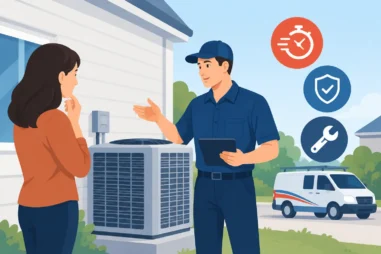
Most residential installations begin with an on-site review of the HVAC equipment and ductwork. The technician confirms the system size, takes measurements, checks filter access, and identifies the most practical mounting location. If the existing return duct needs modification, that work is planned before the purifier is fitted.
The installation may involve cutting and sealing duct transitions, mounting the cabinet or device, connecting power where required, and verifying that panels and access doors remain serviceable. For systems with electronic or UV components, the technician also confirms safe electrical connections and proper operation.
After installation, airflow should be tested and the HVAC system should be run through a normal heating or cooling cycle. This is a critical step. A system that is technically installed but not checked for airflow, vibration, panel sealing, and drainage access can cause avoidable problems later.
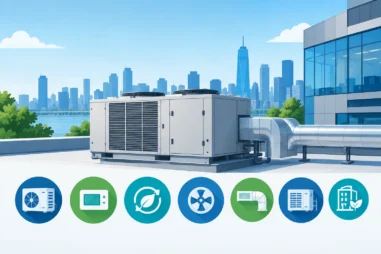
For many homes, the work can be completed in a single visit. Larger commercial systems, tight mechanical rooms, rooftop equipment, or projects involving several air handlers may require more planning. Property managers should schedule work around tenant needs and building operations, especially if access to ceiling spaces or mechanical areas is required.
Your Existing HVAC System Matters
Whole house air purifier installation works best when the central system is in good operating condition. A failing blower motor, dirty evaporator coil, leaky return duct, or undersized return can limit results. Clean air equipment depends on the HVAC system moving air reliably through the space.
Older homes can still be good candidates, but they may need additional attention. Ductwork in older properties can have gaps, restricted sections, or limited room for a larger filter cabinet. In some cases, a contractor may recommend duct repairs or a different purifier configuration rather than forcing equipment into a space where it cannot be maintained.
For homes with ductless mini-splits, a central whole-house purifier may not be an option because there is no central duct system. Room-specific filtration, proper cleaning of indoor heads, and ventilation improvements may be more appropriate. This is why an in-person assessment is more valuable than choosing a unit based on a product description alone.
Maintenance Protects Performance
An air purifier is not a set-it-and-forget-it upgrade. Maintenance requirements vary by product, but every system needs attention. Media filters need replacement on schedule. Electronic collector cells need cleaning. UV lamps eventually need replacement, even when they still appear to be lit. Carbon components need to be changed once they have absorbed their usable capacity.
Your HVAC filter, indoor coil, and return vents also remain part of the equation. A high-quality purifier cannot perform as intended if the rest of the system is dirty or restricted. Regular HVAC maintenance gives a technician the opportunity to inspect the air-quality equipment, confirm airflow, and catch small issues before comfort or efficiency is affected.
Keep a record of filter sizes, installation dates, and recommended service intervals. This is particularly useful for commercial properties, where several systems may have different maintenance schedules. Consistent upkeep protects the equipment and gives occupants more dependable results.
When It Is Worth the Investment
A whole-house system is often worthwhile when a property has recurring airborne particle concerns, frequent allergy complaints, pets, smokers, renovation dust, or a need for better odor control. It can also be a practical addition during HVAC replacement, when ductwork and equipment are already being evaluated.
It may be less urgent if the main issue is poor ventilation, excessive humidity, or a source problem such as water intrusion. In those situations, address the underlying cause first. Cleaner air starts with controlling what is entering, growing, or collecting in the building.
Tamco Air can evaluate your heating and cooling equipment, explain suitable air-quality options, and install a solution that fits your property rather than pushing a generic package. For homeowners and commercial operators alike, the value comes from matching the equipment to the building and maintaining it properly.
If you are considering cleaner indoor air, start with a professional assessment of your HVAC system and the conditions inside the space. A well-chosen purifier should make day-to-day comfort easier to maintain, not add another complicated system to worry about.