


 06 Jun 2026
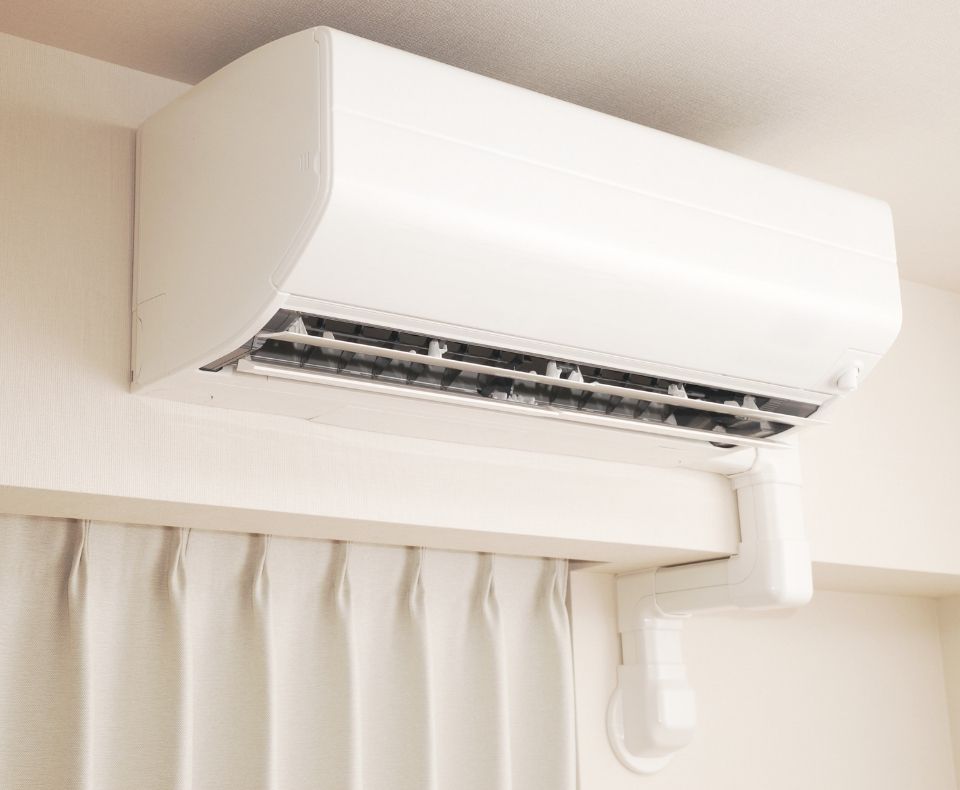
Air conditioner coils should stay clean because they are responsible for heat transfer. When dust, pollen, grass clippings, grease, or debris build up on the coils, the system must work harder to cool the same space. This leads to longer runtimes, higher energy bills, weaker cooling, poor humidity control, and extra strain on the compressor and fan motors.
Your AC has two main coils: the evaporator coil and the condenser coil. The evaporator coil is inside the indoor air handler or furnace cabinet. It absorbs heat from indoor air. The condenser coil is in the outdoor unit. It releases that heat outside. If either coil is dirty, cooling efficiency drops.
Cleaning air conditioner coils can improve performance, reduce energy waste, and help prevent avoidable breakdowns. However, coils are delicate. Aggressive brushing, high-pressure water, or harsh chemicals can damage the fins and refrigerant tubing.
Why Clean AC Coils Matter
Clean coils allow heat to move efficiently through the system. Air conditioning works by removing heat from inside the home and rejecting it outdoors. Coils are the surfaces where this heat exchange happens.
When coils are clean, the system can:
- Absorb indoor heat more effectively
- Release heat outdoors faster
- Cool the home in steadier cycles
- Use less energy
- Maintain better humidity control
- Reduce compressor strain
- Lower the risk of freezing
- Extend equipment lifespan
Dirty coils create an insulating layer between the air and metal coil surface. Even a thin coating of dust can reduce heat transfer. As buildup increases, the system may run longer, struggle to reach the thermostat setting, or shut down during hot weather.
Evaporator Coil vs. Condenser Coil
The evaporator coil and condenser coil perform different jobs, but both must be clean for proper cooling.
The evaporator coil is indoors. Warm return air passes over this cold coil, and refrigerant inside the coil absorbs heat. Moisture also condenses on the coil, helping remove humidity from the home. Because it handles both cooling and dehumidification, the evaporator coil can collect dust, moisture, biological growth, and debris if filtration or airflow is poor.
The condenser coil is outdoors. It releases heat from the refrigerant into the outside air. Since it sits outside, it is exposed to leaves, dirt, pollen, grass clippings, weeds, and weather.
In simple terms:
- Indoor evaporator coil: absorbs heat and removes moisture
- Outdoor condenser coil: releases heat outside
- Dirty evaporator coil: weak cooling, poor airflow, freezing risk
- Dirty condenser coil: high pressure, overheating, compressor strain
If the indoor coil cannot absorb heat properly or the outdoor coil cannot release heat properly, cooling efficiency drops.
Signs Your AC Coils Need Cleaning
You may not always see dirty coils, especially the indoor evaporator coil, but the system usually gives warning signs.
Common signs of dirty AC coils include:
- Weak cooling
- Longer cooling cycles
- Higher energy bills
- Warm or only mildly cool air from vents
- Poor humidity control
- Musty or stale odors
- Ice on refrigerant lines
- Outdoor unit running hotter than usual
- AC shutting off during peak heat
- Reduced airflow from vents
Dirty coils are not the only cause of these symptoms. Low refrigerant, a failing capacitor, blower motor problems, duct leaks, thermostat issues, and clogged filters can create similar problems. Still, coil condition should always be checked when cooling performance drops.
If you want a professional inspection instead of trying to access the coil yourself, TAMCO provides coil cleaning for peak performance to help restore airflow, heat transfer, and cooling efficiency.
Safety First: Before Cleaning Coils
Before cleaning any AC coils, turn off power to the system. The outdoor condenser and indoor air handler contain electrical components, motors, capacitors, and moving parts.
For the outdoor unit, turn the thermostat off and shut off power at the outdoor disconnect box. For the indoor unit, turn off the system at the thermostat and shut off power at the breaker if you will be opening panels.
Basic safety rules:
- Turn off power before opening panels
- Do not touch electrical components
- Do not bend refrigerant lines
- Do not use high-pressure water
- Do not use harsh household cleaners
- Do not force panels or access doors
- Wear gloves and eye protection
- Avoid breathing dust or cleaner spray
If you are not comfortable opening equipment panels, stop at basic exterior cleaning and schedule professional service.
Tools and Supplies for Basic Coil Cleaning
For basic homeowner-level cleaning, the goal is to remove surface debris safely without damaging coil fins.
Useful supplies include:
- Garden hose with gentle water flow
- Soft brush
- Fin comb
- Screwdriver or nut driver
- Vacuum with soft brush attachment
- No-rinse evaporator coil cleaner
- Condenser coil cleaner if appropriate
- Gloves
- Safety glasses
- Flashlight
Avoid pressure washers, bleach, abrasive cleaners, and household degreasers not designed for HVAC coils.
How to Clean the Outdoor Condenser Coil
The outdoor condenser coil is usually easier for homeowners to access. It should be cleaned carefully because it is exposed to outdoor debris throughout the year.
Step 1: Turn Off Power
Set the thermostat to off. Then turn off power at the outdoor disconnect. This prevents the fan from starting while you are working.
Step 2: Clear the Area Around the Unit
Remove leaves, weeds, grass, mulch, branches, and stored items from around the condenser. The unit needs open airflow to release heat.
Keep clear space around the outdoor unit:
- At least 2 feet of clearance around the sides when possible
- No shrubs pressed against the cabinet
- No debris packed against the coil
- No objects blocking the top airflow
Airflow restriction around the condenser can reduce efficiency even if the coil itself is clean.
Step 3: Remove Loose Debris
Use a soft brush or vacuum to remove loose debris from the outside of the unit. Do not press hard against the fins.
Common debris includes:
- Grass clippings
- Leaves
- Pollen
- Dust
- Cottonwood
- Dirt
- Small twigs
If debris is packed deeply into the coil, professional cleaning may be needed.
Step 4: Rinse the Coil Gently
Use a garden hose with low to moderate pressure. Rinse the condenser coil carefully. In many cases, rinsing from the inside out is more effective because it pushes debris back the way it entered.
Do not use a pressure washer. High pressure can flatten fins and reduce airflow.
Step 5: Apply Coil Cleaner if Needed
If the coil is greasy or heavily soiled, use a condenser coil cleaner made for HVAC equipment. Follow the label instructions.
Important precautions:
- Do not let cleaner sit longer than recommended
- Avoid spraying electrical components
- Rinse thoroughly if required
- Do not mix chemicals
- Do not use indoor evaporator cleaner outdoors unless approved
Step 6: Inspect the Fins
Look for bent fins. If small areas are bent, a fin comb can help straighten them. Work gently. If large sections are crushed, a technician should inspect the coil.
Step 7: Restore Power and Test
After cleaning, allow excess water to drain. Reinstall panels securely. Turn power back on and set the thermostat to cooling mode. Confirm that the system starts normally and cools properly.
How to Clean the Indoor Evaporator Coil
The indoor evaporator coil is more delicate and harder to access. It is usually located inside the air handler or above the furnace. In many systems, the coil is enclosed in a metal cabinet.
Because the evaporator coil is connected to refrigerant lines and located near electrical components, homeowners should be cautious. Basic cleaning may be possible, but deep cleaning is usually better handled by an HVAC professional.
Step 1: Turn Off the System
Turn off the thermostat and shut off power to the indoor unit. Never open the air handler or furnace cabinet while the system is powered.
Step 2: Locate the Coil Access Panel
Look for the evaporator coil access panel near the indoor unit. Some panels are easy to remove. Others are sealed or not designed for homeowner access.
Do not cut refrigerant lines, force sealed panels, or remove components you cannot reinstall properly.
Step 3: Inspect the Coil
Use a flashlight to inspect the coil surface. Look for:
- Dust buildup
- Matted debris
- Biological growth
- Rust or corrosion
- Ice
- Standing water
- Blocked drain pan
- Damaged fins
Heavy buildup, mold-like growth, ice, corrosion, or drainage issues should be handled by a professional.
Step 4: Remove Loose Dust
Use a soft brush or vacuum with a soft attachment to remove loose dust. Do not press hard on the fins. Do not use stiff brushes or metal tools.
Step 5: Apply No-Rinse Evaporator Coil Cleaner
Use a no-rinse cleaner made specifically for evaporator coils. These cleaners foam up, lift light debris, and drain away with normal condensate during operation.
Follow the instructions carefully. Avoid overspraying electrical components, wiring, insulation, or control boards.
Step 6: Check the Drain Pan and Drain Line
Coil cleaning is incomplete if the condensate drain is clogged. The evaporator coil removes moisture from indoor air, and that water must drain properly.
Look for:
- Standing water
- Algae buildup
- Musty odor
- Rust
- Water stains
- Clogged drain line
A clogged drain can cause water damage, odors, humidity problems, and system shutdowns.
Step 7: Reinstall Panels and Restart
Reinstall the access panel securely. Restore power and run the system. Watch for normal airflow, cooling, and drainage.
If the system freezes, leaks, smells strongly, or fails to cool after cleaning, schedule professional service.
What Not to Do When Cleaning AC Coils
Improper coil cleaning can damage the system and lead to expensive repairs.
Avoid these mistakes:
- Using a pressure washer
- Scrubbing fins aggressively
- Using bleach
- Spraying electrical parts
- Bending refrigerant lines
- Running the system with panels removed
- Using acidic cleaners without training
- Ignoring the condensate drain
- Forcing sealed access panels open
- Using household degreasers
The coil surface may look simple, but it is part of a sealed refrigerant system. If refrigerant tubing is damaged, repair can be expensive.
How Dirty Coils Reduce Efficiency
Dirty coils reduce efficiency because they slow heat transfer. The system must run longer to remove the same amount of heat. Longer runtime increases energy use and component wear.
With dirty evaporator coils:
- Indoor heat is not absorbed efficiently
- Airflow may be reduced
- Coil temperature may drop too low
- Ice may form
- Humidity removal may suffer
With dirty condenser coils:
- Heat is not released outdoors efficiently
- System pressure may rise
- Compressor temperature may increase
- Cooling output may drop
- Energy consumption may rise
The compressor is especially vulnerable. Dirty coils can force it to work under higher stress, which may shorten its lifespan.
How Often Should AC Coils Be Cleaned?
Most residential AC systems should have coils inspected at least once a year. Cleaning frequency depends on environment, system usage, and filter quality.
Coils may need cleaning more often if:
- The outdoor unit is near trees or shrubs
- Grass clippings often hit the condenser
- The home has pets
- The area has high pollen or dust
- Construction work was recently done
- Filters are changed irregularly
- The system runs heavily in summer
- The home has humidity or odor issues
Outdoor condenser coils may need light cleaning more often because they are exposed to weather and debris. Indoor evaporator coils should stay cleaner if filtration and airflow are good, but they still need inspection.
When Professional Coil Cleaning Is Better
Professional coil cleaning is the better choice when the coil is hard to access, heavily soiled, frozen, contaminated, or connected to other performance issues.
Professional service is recommended if:
- The evaporator coil is inside a sealed cabinet
- The coil is heavily clogged
- There is ice on the coil
- Cooling is weak after filter replacement
- There is a musty or dirty-sock smell
- Water is leaking near the indoor unit
- The condenser coil is packed with debris
- Coil fins are badly bent
- Energy bills increased suddenly
- The system has not been serviced in years
A technician can also measure temperature split, refrigerant pressure, airflow, amperage, capacitor performance, and drain operation. That matters because coil dirt is often one part of a larger performance problem.
For a full inspection and cleaning, TAMCO’s coil cleaning for peak performance service can help improve system efficiency, restore heat transfer, and reduce strain on cooling equipment.
Coil Cleaning and Indoor Air Quality
Dirty coils can affect indoor air quality because the evaporator coil is exposed to moving indoor air and moisture. Dust and organic material can collect on the coil surface. When moisture is present, odors and biological growth may develop.
A dirty evaporator coil may contribute to:
- Musty odors
- Dirty-sock smell
- Poor humidity control
- Dust circulation
- Reduced airflow
- Mold-like growth in severe cases
Coil cleaning is not a complete indoor air quality solution by itself, but it is an important part of HVAC hygiene. Filters, duct condition, humidity control, ventilation, and drain cleanliness all work together.
Best Time to Clean Air Conditioner Coils
The best time to clean AC coils is before cooling season begins. Spring maintenance gives the system a better chance of operating efficiently during summer.
Good times to clean coils include:
- Before the first heavy cooling period
- After major pollen season
- After nearby construction or renovation
- After landscaping debris builds up
- When airflow or cooling performance drops
- When musty odors appear
- After long periods without maintenance
Cleaning coils during extreme heat is possible, but it is better to prevent problems before the system is under maximum load.
How to Keep Coils Cleaner Longer
Preventing coil buildup is easier than correcting it after performance drops. Good filtration, airflow, and outdoor maintenance help reduce how quickly coils get dirty.
To keep coils cleaner:
- Replace filters on schedule
- Use the correct filter size
- Do not run the system without a filter
- Keep return grilles clean
- Vacuum dust near vents and returns
- Keep grass clippings away from the outdoor unit
- Trim shrubs around the condenser
- Keep leaves and debris away from the unit
- Do not store items near indoor HVAC equipment
- Schedule annual maintenance
A filter that does not fit properly can allow dust to bypass the filter and collect on the evaporator coil. Filter fit matters as much as filter type.
Final Thoughts
Cleaning air conditioner coils is one of the most important maintenance tasks for better cooling efficiency. The evaporator coil absorbs heat indoors, and the condenser coil releases heat outdoors. When either coil is dirty, the system works harder, cools less effectively, and uses more energy.
Homeowners can usually handle light outdoor condenser cleaning and basic filter replacement. Indoor evaporator coil cleaning is more delicate and often requires professional service. The safest approach is to keep the outdoor unit clear, change filters regularly, avoid high-pressure cleaning, and schedule professional coil inspection at least once a year.
A clean coil helps the AC move heat out of your home efficiently. If your system runs constantly, cools poorly, smells musty, or uses more energy than usual, coil condition should be one of the first things checked.