


 09 Oct 2026
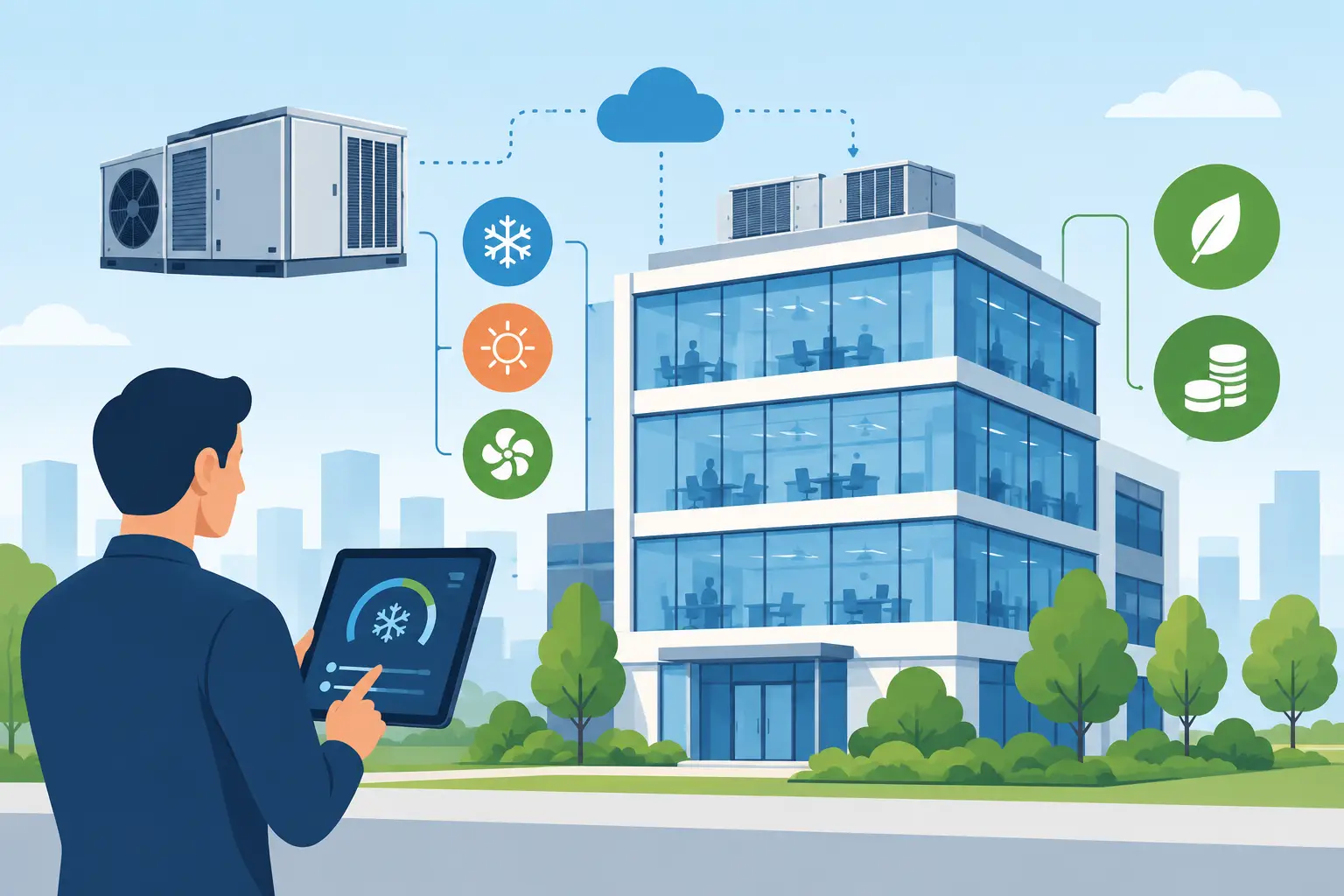
A heating or cooling system should not force you to choose between comfort and control. Smart building HVAC gives homeowners, property managers, and business operators clearer insight into how their equipment is performing, where energy is being wasted, and when a small issue could become an expensive repair.
For a New Jersey home, that may mean adjusting temperatures by zone, receiving an alert when a system is not keeping up, or avoiding needless heating while the house is empty. For a commercial property, it can mean fewer hot and cold complaints, better visibility across multiple units, and less disruption when equipment needs attention.
Smart controls are not a replacement for proper HVAC design, quality installation, or regular maintenance. They are most valuable when they support a well-sized, well-maintained system and give the owner useful information without making daily operation more complicated.
What Smart Building HVAC Actually Means
Smart building HVAC refers to heating, cooling, ventilation, and control systems that use connected thermostats, sensors, scheduling, automation, and performance data to manage indoor conditions more effectively. The goal is practical: maintain comfort where people need it, reduce unnecessary runtime, and identify problems sooner.
In a residence, the system may be as simple as a Wi-Fi thermostat paired with room sensors and a variable-speed furnace or air conditioner. In a larger building, it may include multiple thermostats, zoning controls, rooftop units, occupancy sensors, ventilation controls, and a central platform that allows a manager to monitor equipment from one place.
The level of technology should match the property. A two-bedroom condo does not need the same controls as an apartment building, medical office, or multi-tenant retail space. Adding more devices than necessary can create confusion and increase service complexity. The right setup solves a specific comfort, efficiency, or operating problem.
Where Smart HVAC Controls Make the Biggest Difference
Temperature schedules are often the first benefit people notice. Instead of running heating and cooling at the same setting around the clock, a smart thermostat can follow the household or business schedule. Temperatures can ease back overnight, during work hours, or when a property is vacant, then return to a comfortable setting before people arrive.
Zoning is especially useful in homes with finished basements, sunrooms, additions, multiple floors, or rooms that always feel different from the rest of the house. A properly designed zoning system uses separate thermostats and dampers, or ductless mini-splits, to serve areas according to their real needs. It is not a cure for undersized equipment, poor insulation, or damaged ductwork, but it can improve comfort when the underlying system is capable of supporting it.
Commercial facilities often benefit from better visibility. A property manager can see whether one suite is calling for cooling after hours, whether a rooftop unit is operating outside its schedule, or whether a repeated temperature complaint points to an equipment issue rather than tenant preference. That information helps prioritize service calls and can prevent a minor concern from turning into a comfort emergency.
Remote Access Is Useful, but It Is Not the Main Goal
Being able to adjust a thermostat from a phone is convenient. It can help a homeowner returning from a trip or a manager responding to an after-hours call. But remote access alone does not make a system efficient.
The real value comes from using controls with a clear operating plan. Schedules should reflect actual occupancy. Temperature setbacks should be reasonable, not extreme. Alerts should be configured so owners are informed about meaningful issues without receiving constant notifications that get ignored.
Energy Savings Depend on More Than the Thermostat
Smart controls can reduce wasted heating and cooling, but savings vary by property and by the condition of the HVAC system. A modern thermostat cannot compensate for a failing compressor, a clogged filter, leaking ducts, an oversized furnace, or a building with major air leaks.
Before investing in advanced controls, it is wise to look at the basics. Is the system maintaining temperature consistently? Are filters being changed on schedule? Are supply and return ducts properly sized and sealed? Is the equipment approaching the end of its useful life? In commercial buildings, are units receiving preventive maintenance before peak summer and winter demand?
Variable-speed equipment can work particularly well with smart controls because it can make smaller adjustments over longer periods instead of repeatedly cycling at full output. That can support steadier indoor temperatures, quieter operation, and improved humidity control. Still, equipment selection must be based on a proper load calculation and the building’s layout, not just the desire for the latest features.
Smart Building HVAC for Commercial Properties
For commercial owners and property managers, comfort problems quickly become operational problems. A hot server room, cold office, stuffy classroom, or failed rooftop unit can affect employees, tenants, customers, and business hours. Smart monitoring can help facilities teams recognize patterns before they become urgent.
A connected commercial system may track runtime, temperature trends, filter reminders, alarms, and equipment status. When paired with scheduled maintenance, this data can help a manager make better decisions about repairs and replacements. For example, repeated alarms, longer runtimes, and declining temperature performance may indicate that a unit needs professional diagnosis before it fails during a heat wave.
There are limits. Monitoring data does not repair a refrigerant leak or replace a worn blower motor. It also needs a responsible person to review alerts and arrange service. The best approach is a clear plan: identify who receives notifications, which alerts require an immediate response, and when to call an HVAC professional.
Ventilation Needs Careful Planning
Smart ventilation controls can help commercial spaces manage fresh air based on occupancy or indoor air quality conditions. This can be useful in conference rooms, common areas, and spaces with changing populations. However, ventilation adjustments must be designed correctly to protect indoor air quality and prevent moisture problems.
New Jersey’s humid summers and cold winters make this especially important. Bringing in more outdoor air can affect heating, cooling, and humidity loads. A qualified contractor should evaluate the equipment, controls, ductwork, and intended use of the space before changing ventilation settings.
Common Mistakes to Avoid
The most common mistake is installing a smart thermostat without confirming compatibility. Older systems, heat pumps, multi-stage equipment, boilers, humidifiers, and zoning panels may require specific wiring or compatible controls. A poor match can lead to short cycling, incomplete heating or cooling, or features that do not work as intended.
Another mistake is relying too heavily on occupancy detection. Sensors can be helpful, but they may not accurately reflect every household routine or every commercial space. A quiet home office may appear vacant while someone is working at a desk, and a storage area may need temperature control even when no one is present. Automation should support good judgment, not replace it.
Finally, avoid treating alerts as a maintenance plan. A system may not issue an alert until performance has already declined. Seasonal tune-ups, filter changes, drain-line checks, electrical inspections, and professional evaluation remain essential for dependable operation.
Planning the Right Smart HVAC Upgrade
Start with the problem you want to solve. If one bedroom is always warmer than the rest of the home, room sensors, duct adjustments, zoning, or a ductless mini-split may be more appropriate than replacing the thermostat. If a commercial building has rising energy use, the issue may be scheduling, equipment condition, controls, or all three.
Next, review the existing system. An HVAC professional can assess equipment age, capacity, ductwork, electrical requirements, thermostat wiring, and whether the system can support the controls you want. This step protects you from buying technology that looks appealing but does not fit the property.
For new construction and major renovations, smart HVAC planning should happen early. Coordinating system design, zoning, duct placement, thermostat locations, and electrical work before walls are closed produces a cleaner, more reliable result. It also gives builders and owners more options for future expansion.
Tamco Air helps New Jersey homeowners and commercial clients evaluate smart controls as part of the complete HVAC picture, from system design and installation to repairs, replacements, and ongoing maintenance. The goal is not to add technology for its own sake. It is to create a system that is easier to manage, comfortable in every season, and built to perform when you need it most.
A smart HVAC upgrade is worth considering when it solves a real problem in your property. Start with a professional assessment, choose controls that match the equipment and the people using the space, and keep maintenance at the center of the plan.