03 Oct 2026


A failed air conditioner in a New Jersey heat wave or a furnace that quits before a cold weekend makes every hour feel longer. When customers ask, “how long HVAC installation will take,” they usually need more than a number. They need to know when their home or building will be comfortable again, whether they need to take time off work, and what could delay the job.
For most straightforward residential replacements, installation takes one full day. A more involved project may require two or more days, especially when ducts, electrical equipment, system design, or multiple indoor units are part of the work. A professional assessment before installation is the best way to get a schedule that reflects your actual property rather than a guess.
How Long Does an HVAC Installation Take?
A typical central air conditioning and furnace replacement in an existing home often takes six to 10 hours. That time includes removing the old equipment, setting the new indoor and outdoor units, making refrigerant and electrical connections, testing airflow, and confirming safe operation.
If the installation is planned early and the correct equipment is available, many replacement jobs can be completed in a single visit. Next-day installation may also be possible for common system types when the site does not require major modifications.
A new HVAC installation can take longer than a replacement because there is no existing system layout to work from. In new construction, HVAC work is commonly completed in stages. Ductwork, equipment placement, wiring, controls, and final commissioning must coordinate with framing, insulation, drywall, electrical work, and inspections. The calendar timeline may span weeks, even though the HVAC crew is not working on-site every day.
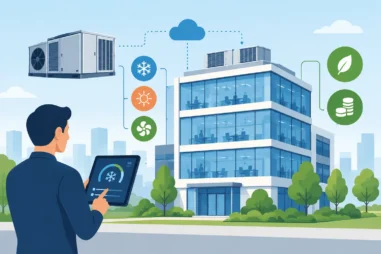
Commercial timelines vary even more. Replacing a small rooftop unit may take a day, while a multi-zone office, apartment, retail, or light industrial project can take several days or be phased around building operations.
What Changes the HVAC Installation Timeline?
The equipment itself is only one part of the schedule. The condition of the property, the complexity of the design, permitting requirements, and the access available to the installation team all matter.
A like-for-like replacement is usually fastest
Replacing an existing furnace, air conditioner, or heat pump with a properly sized comparable system is generally the quickest scenario. Existing duct connections, electrical circuits, drain lines, and equipment pads may be usable, although they still need to be inspected. A like-for-like job does not mean cutting corners. The new system must be sized, connected, and tested correctly for reliable performance and warranty protection.
A change in fuel type or system type adds time. For example, replacing a gas furnace and central air system with a heat pump may require electrical upgrades, changes to the thermostat wiring, and a decision about backup heat. Moving from window units to central air or adding ductless mini-splits also involves new routes for line sets, condensate drains, and electrical service.
Ductwork can turn a one-day job into a larger project
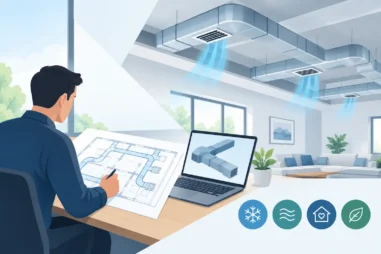
Ductwork is often the deciding factor for how long HVAC installation takes. Older homes may have undersized ducts, damaged sections, poor return-air paths, or no ductwork at all. Installing new ducts in an attic, crawlspace, basement, or finished home requires careful planning to protect the structure and maintain airflow.
A system cannot deliver its rated comfort or efficiency if the duct system restricts air. Sometimes a few targeted corrections can be completed during equipment replacement. Full duct replacement or adding zones may take multiple days. It is a bigger investment of time, but it can solve persistent hot rooms, weak airflow, excess noise, and uneven temperatures that a new outdoor unit alone will not fix.
Electrical, permits, and inspections affect the calendar
Modern HVAC equipment may need a dedicated circuit, disconnect, upgraded breaker, or electrical panel work. These tasks are often manageable, but they should be identified before installation day. If an electrician, permit, or inspection is required, the overall project schedule may extend beyond the hands-on installation time.
New Jersey municipalities have different permitting processes. A qualified contractor should explain what applies to your property and schedule work around required approvals. Permits can feel like an inconvenience when comfort is urgent, but they help ensure that electrical, fuel, ventilation, and safety requirements are addressed correctly.
Access and building conditions matter
A technician needs safe access to the attic, basement, mechanical room, roof, outdoor pad, and electrical equipment. Tight crawlspaces, finished ceilings, rooftop crane coordination, and equipment located in difficult areas can add time. In commercial properties, access windows, tenant schedules, elevator reservations, and noise restrictions may determine when work can occur.
Unexpected conditions are also possible after old equipment is removed. Corroded vent piping, damaged wiring, hidden water issues, or an unsafe equipment platform should be corrected before the new system is started. This is not a delay for delay’s sake. It protects the equipment, the building, and the people using it.
What Happens During Installation Day?
A well-run installation follows a clear sequence. The crew begins by confirming the scope of work, protecting floors and work areas, and reviewing access points. The old equipment is disconnected and removed safely. New components are then placed, connected, secured, and sealed.
For air conditioning or heat pump systems, the refrigerant lines must be installed or evaluated, pressure-tested, evacuated, and charged according to manufacturer specifications. Drainage must be pitched correctly so condensation does not create water damage. Furnaces require proper venting, gas connections where applicable, and combustion safety checks. The thermostat and controls are configured so the system responds correctly.
The final portion of the appointment is critical. The installation team should start the system, check temperature performance and airflow, inspect electrical readings, verify safety controls, and explain basic operation and maintenance. Rushing this step can create problems that do not show up until the first very hot or cold day.
How to Help Your Installation Stay on Schedule
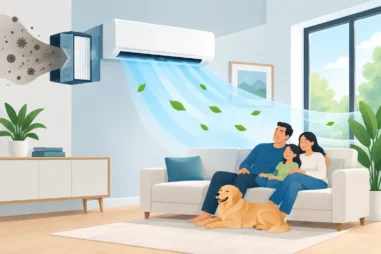
Homeowners can make installation day easier by clearing a path to the indoor unit, thermostat, electrical panel, and outdoor equipment. Move stored belongings away from the furnace, air handler, attic access, or basement mechanical room. Keep pets safely away from work areas, and plan for children or remote workers who may be affected by noise or temporary loss of heating and cooling.
For businesses and property managers, the preparation list is broader. Confirm building access, parking, roof access, tenant notifications, equipment delivery locations, and any required shutdown windows before the crew arrives. If the work affects an occupied area, discuss phasing options that reduce disruption. A well-planned schedule can keep critical spaces operating while the replacement is completed.
It also helps to ask early whether the quote includes duct modifications, electrical work, permits, thermostat upgrades, removal of old equipment, and startup testing. Clear scope prevents unpleasant surprises and gives everyone a more accurate timeline.
When Fast Installation Should Still Be Done Carefully
Emergency replacement deserves a fast response, but speed should never replace proper sizing or safe installation. Installing oversized equipment simply because it is immediately available can lead to short cycling, humidity issues, higher energy use, and premature wear. Choosing the lowest-priced system without reviewing duct condition or warranty coverage can create a more expensive problem later.
The better approach is efficient planning: inspect the property, recommend the right equipment, communicate the schedule clearly, and complete the details that protect long-term comfort. Tamco Air helps New Jersey homeowners and commercial customers move from system failure to a reliable installation with experienced, insured technicians and practical scheduling options.
If your system is aging, noisy, leaking, or struggling to keep up, do not wait for the busiest weather of the year to find out what replacement will involve. A free estimate and on-site evaluation can give you a realistic installation timeline and a clear path back to dependable comfort.