


 23 Aug 2026

A second-floor bedroom that stays hot all summer, a living room that feels chilly near the windows, or an office with constant thermostat complaints usually points to more than an aging HVAC unit. Comfort problems often come from airflow, controls, ductwork, humidity, or a system that no longer fits the building.
The best HVAC upgrades for comfort solve the reason a space feels uneven, not just the symptom. For New Jersey homeowners and property managers, the right improvement can create steadier temperatures, cleaner air, quieter operation, and lower monthly energy waste. The best choice depends on the building, the existing equipment, and how each room is used.
Start With the Source of the Comfort Problem
Before replacing equipment, have a qualified technician evaluate the full system. A furnace or air conditioner may still have years of useful life, while leaking ducts, an undersized return, poor insulation, or a poorly located thermostat is causing the discomfort.
A proper assessment looks at equipment condition, duct layout, airflow, refrigerant performance, insulation around ducts, thermostat settings, and indoor humidity. In older New Jersey homes, additions, finished basements, and converted attics are especially common trouble spots. These spaces may not have received enough supply and return air when the original system was installed.
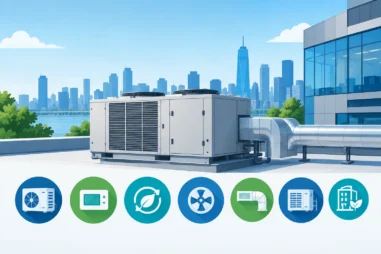
For commercial properties, the same principle applies. A rooftop unit may be operating correctly, but a tenant area can still be uncomfortable if the zoning no longer matches the floor plan or occupancy has changed. Diagnosing the cause first helps prevent spending money on an upgrade that does not address the actual issue.
Best HVAC Upgrades for Comfort and Control
Smart Thermostats With Better Scheduling
A smart thermostat is often a practical first upgrade when the system itself is in good condition. It gives homeowners more control over schedules, allows remote temperature adjustments, and can show patterns in heating and cooling use. For busy households, that means the home can be comfortable when people arrive without running at full capacity all day.
The biggest comfort benefit is consistency. Many smart thermostats can maintain a more stable temperature range than an older manual model. Some can also alert you to unusual system behavior, such as a cooling cycle that runs too long.
Still, a smart thermostat cannot fix a weak blower motor, undersized ductwork, or a room with little airflow. It is a control upgrade, not a replacement for needed mechanical repairs.
Variable-Speed Heating and Cooling Equipment
Traditional HVAC systems typically run at one output level: fully on or fully off. Variable-speed systems can adjust their output to meet the actual demand in the home or building. Instead of blasting cooled or heated air for short periods, they can run at lower, steadier speeds for longer cycles.
That longer, quieter operation is one of the strongest upgrades for day-to-day comfort. Temperatures tend to stay more even from room to room, humidity is managed more effectively during cooling season, and hot or cold swings become less noticeable.
Variable-speed equipment generally costs more upfront than single-stage equipment. It makes the most sense when replacing an older system, completing a major renovation, or addressing persistent uneven temperatures. Correct sizing and professional installation are essential. An oversized high-efficiency unit can still leave a home clammy and uncomfortable if it cycles off too quickly.
Zoned HVAC Systems
Zoning separates a home or commercial space into independently controlled areas. Each zone has its own thermostat, allowing different parts of the building to receive heating or cooling based on their needs.
This can be an excellent solution for multi-story homes, homes with large sun-facing rooms, open floor plans, guest areas that are not used every day, or buildings with different tenant schedules. A family can keep bedrooms cooler at night without overcooling the main level. A property manager can avoid conditioning vacant areas the same way as high-traffic spaces.
Some zoning systems use motorized dampers within existing ductwork. Others are best handled with separate ductless indoor units. The right approach depends on the current ducts, system capacity, and layout. Zoning should be designed carefully, because restricting airflow without proper planning can put unnecessary strain on equipment.
Ductless Mini-Splits for Problem Rooms
Ductless mini-splits are a targeted answer for spaces that never seem to match the rest of the home. They work particularly well in additions, garages converted to living space, finished attics, sunrooms, basements, and older homes where extending ductwork would be disruptive or expensive.
Each indoor unit delivers heating and cooling directly to its area, with independent temperature control. Many systems also use inverter-driven technology, which supports quiet operation and stable comfort. They can provide efficient heating during much of a New Jersey winter and cooling through humid summers.
A mini-split is not always the right choice for an entire home. In a house with well-designed central ductwork, improving the existing system may be more cost-effective. But for one difficult room or a new addition, it can be a cleaner and more reliable option than forcing more air through ducts that were never designed for the space.
Improve Airflow Before Adding Capacity
Comfort is not only about the temperature on the thermostat. It is about whether conditioned air can reach each room and return to the system properly. Restricted airflow can leave rooms stuffy, create noisy vents, increase energy use, and shorten equipment life.
Duct sealing and insulation are often overlooked upgrades with meaningful results. Leaks in attics, crawl spaces, or wall cavities allow conditioned air to escape before it reaches the living area. Insulating ducts in unconditioned spaces helps keep cooled air cool and heated air warm as it travels through the system.
Return-air improvements can matter just as much. Bedrooms with closed doors sometimes become uncomfortable because there is not enough path for air to return to the system. A professional can evaluate whether additional returns, transfer grilles, or duct modifications would improve circulation.
Do not assume stronger equipment is the answer when airflow is poor. Increasing capacity without correcting duct issues can make temperature differences, noise, and humidity problems worse.
Control Humidity for Real Indoor Comfort
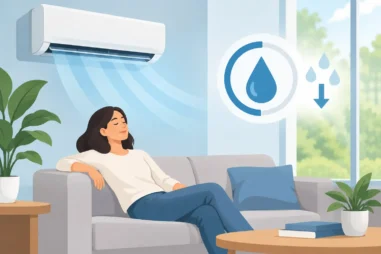
New Jersey summers can bring high humidity, and a home can feel sticky even when the thermostat reads 72 degrees. Excess moisture makes indoor air feel warmer, can encourage mold growth, and may affect wood flooring, furniture, and stored belongings.
A whole-home dehumidifier removes moisture independently of the cooling cycle. This is useful when an air conditioner is properly sized but cannot run long enough to remove adequate humidity, especially during mild but damp weather. Lower humidity can allow many households to feel comfortable at a slightly higher thermostat setting.
During winter, dry indoor air can cause static electricity, irritated sinuses, dry skin, and discomfort. A properly installed humidifier can help, but it should be selected and maintained carefully. Too much humidity in cold weather can lead to condensation on windows and moisture concerns around building materials. The goal is balanced humidity, not simply adding moisture.
Upgrade Filtration and Indoor Air Quality Where It Counts
For households with allergies, pets, asthma concerns, or frequent dust buildup, indoor air quality upgrades can make the home feel noticeably better. Better filtration captures more airborne particles, but the filter must match the system. A highly restrictive filter can reduce airflow if the equipment and duct design are not suited for it.
Depending on the property, an HVAC professional may recommend upgraded media filtration, air purification equipment, or ventilation improvements. These solutions are especially valuable in tightly built homes, where outside air exchange may be limited. They can also support cleaner indoor environments for offices, apartment buildings, and other occupied commercial spaces.
Air quality equipment should be chosen for a specific need. A homeowner dealing with dust may need a different solution than a business managing odors, allergens, or high occupancy. One-size-fits-all recommendations rarely deliver the best result.
When Full System Replacement Is the Better Upgrade
If an HVAC system is more than 12 to 15 years old, needs frequent repairs, runs loudly, or cannot keep up during extreme weather, replacement may offer the clearest path to improved comfort. Modern systems can provide higher efficiency, better humidity control, quieter performance, and more accurate airflow when they are correctly designed for the building.
For a replacement project, equipment selection should be based on a load calculation, not the size of the old unit. Factors such as square footage, insulation, windows, ceiling height, occupancy, and sun exposure all affect the required capacity. This is particularly important after renovations or energy-efficiency improvements, which can change the home’s heating and cooling needs.
Tamco Air helps New Jersey homeowners and commercial property owners evaluate comfort concerns, from targeted ductless solutions to complete HVAC design and replacement. A clear on-site assessment helps identify which upgrade will deliver the most value without adding unnecessary work.
The most comfortable building is not necessarily the one with the largest HVAC system. It is the one where equipment, airflow, humidity, controls, and room-by-room needs work together. If one area of your home or property is consistently uncomfortable, start there. The right diagnosis can turn a frustrating daily problem into a lasting improvement.