


 05 Oct 2026
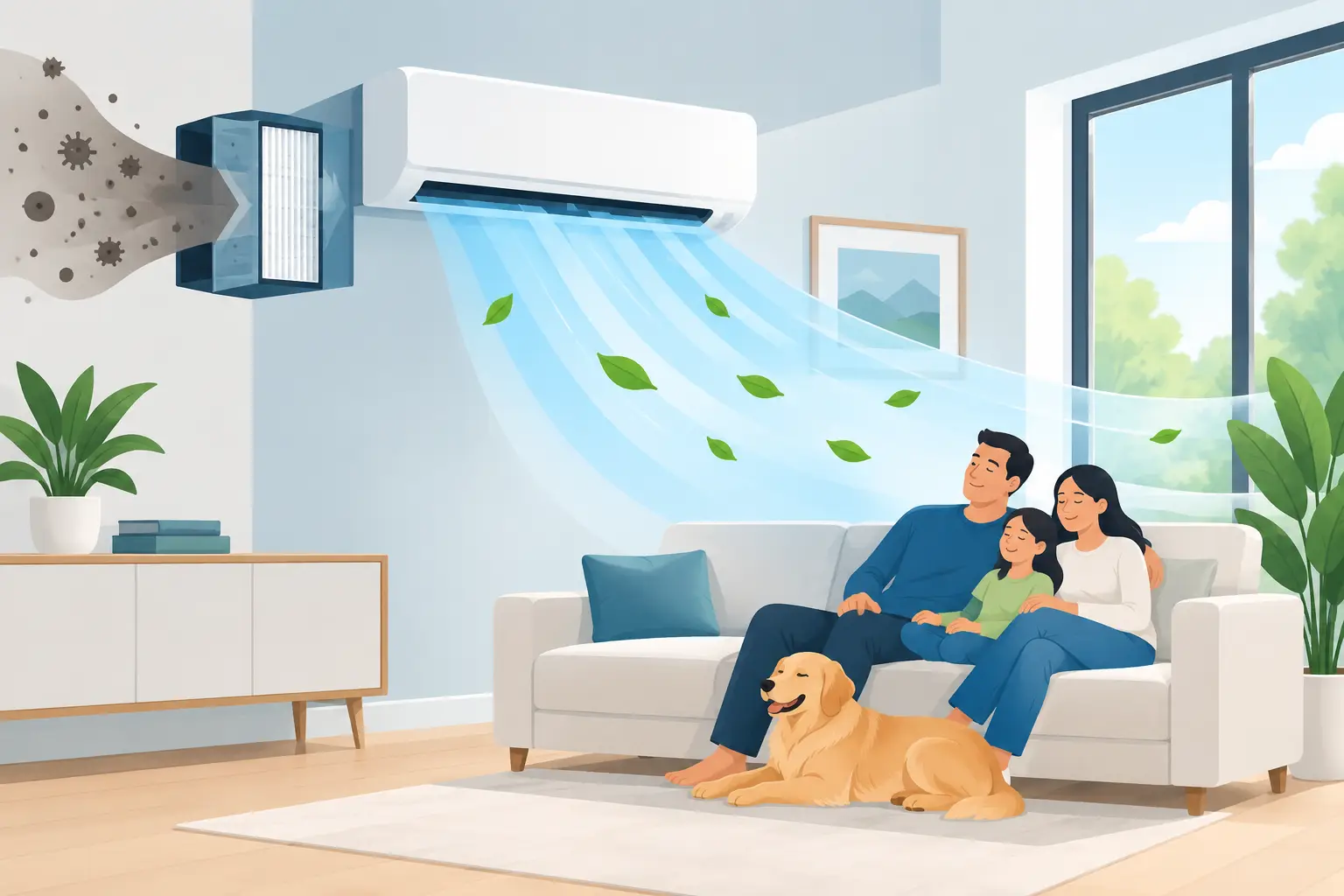
A comfortable thermostat setting does not always mean the air in your home or building is healthy. Indoor air quality can suffer quietly when dust builds up, humidity stays high, airflow is weak, or an HVAC system is overdue for service. In New Jersey, where properties are closed up during both hot, humid summers and cold winters, those conditions can affect comfort, odors, allergies, and even how hard your equipment has to work.
For homeowners, the signs may be persistent dust, stuffy bedrooms, musty smells, or family members who feel worse indoors than outside. For property managers and business owners, complaints may come from certain offices, apartments, or common areas that never seem to feel fresh. The right solution depends on the building, the HVAC equipment, and the source of the problem. A better filter alone is not always the answer.
What Affects Indoor Air Quality?
The air inside a building carries more than oxygen and conditioned air. It can contain particles such as dust, pet dander, pollen, and smoke, as well as odors, moisture, and volatile organic compounds from cleaning products, paints, furnishings, and building materials. Cooking, showers, pets, basements, attached garages, and outdoor pollution can all add to the mix.
Your HVAC system has a major role because it moves air throughout the property. When airflow is balanced and filtration is properly matched to the system, it can reduce airborne particles and help manage moisture. When filters are clogged, ducts leak, coils are dirty, or ventilation is inadequate, the system may circulate contaminants or leave parts of the building stale and humid.
High humidity deserves special attention. In summer, indoor humidity that remains elevated can make rooms feel warmer than they are and encourage mold or mildew growth around windows, bathrooms, basements, and cooling equipment. Air that is too dry in winter can irritate skin, sinuses, and throats. The goal is not to make the air as dry as possible. For most properties, a balanced indoor relative humidity level, often around 30% to 50%, supports comfort and helps limit moisture-related problems.
Start With The HVAC Basics
A well-maintained heating and cooling system is the foundation for cleaner, more comfortable indoor air. Before adding air-cleaning equipment, make sure the system is doing its core job correctly.
Replace Filters On Schedule
A filter loaded with dust restricts airflow and can reduce system performance. It also loses its ability to capture new particles effectively. Many homes need a filter check every one to three months, though homes with pets, frequent cooking, construction dust, or allergy concerns may need more frequent replacement. Commercial schedules vary based on occupancy, operating hours, and the type of facility.
Filter quality matters, but higher is not automatically better. Filters with higher MERV ratings capture smaller particles, which can be useful for allergy and dust control. However, a highly restrictive filter can strain a system that was not designed for it. An HVAC technician can confirm what filter rating your equipment can handle and whether a media cabinet or upgraded filtration setup would provide better results without sacrificing airflow.
Keep Coils, Drains, and Blowers Clean
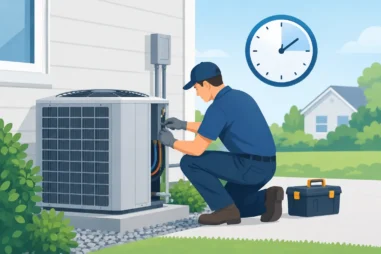
Air conditioning removes moisture as it cools, and that moisture must drain properly. A blocked condensate line, dirty evaporator coil, or neglected drain pan can contribute to odors, reduced cooling, and potential microbial growth near the equipment. Furnace and air-handler components also collect dust over time, especially when filters are not changed regularly.
Routine maintenance gives a technician the opportunity to inspect these areas, clean components when needed, verify drainage, and identify issues before they become an emergency repair. This is especially valuable for property owners managing multiple units, where one neglected system can create recurring tenant complaints.
Address Duct Leaks and Airflow Problems
Leaky or disconnected ductwork can pull dust, insulation fibers, and unconditioned air from attics, crawl spaces, or wall cavities. It can also leave some rooms under-conditioned while other areas receive too much airflow. That uneven performance is more than a comfort issue. It can lead occupants to use portable heaters, open windows, or lower the thermostat excessively, all of which can complicate air quality and energy use.
Duct cleaning may be appropriate after renovation work, water damage, pest activity, or visible debris buildup. It is not a substitute for correcting a moisture problem, sealing leaky ducts, or replacing dirty filters. A proper inspection should determine whether cleaning, repair, or both are warranted.
Improve Ventilation Without Wasting Energy
Fresh outdoor air can dilute indoor pollutants, but simply opening windows is not always practical. Outdoor humidity, pollen, traffic emissions, weather, security concerns, and noise may make it a poor option. This is where mechanical ventilation becomes useful.
Bathroom and kitchen exhaust fans should vent outdoors and operate effectively. A weak bathroom fan can allow shower moisture to linger long after the room is empty. Range hoods can reduce cooking particles and odors, particularly in tightly sealed homes and multifamily buildings. In commercial spaces, ventilation needs are often tied to occupancy levels, room use, and local code requirements.
For homes or buildings with persistent stale air, an energy recovery ventilator or heat recovery ventilator may be worth considering. These systems bring in filtered outdoor air while transferring energy between outgoing and incoming air streams. The trade-off is upfront installation cost and the need for proper design. When sized and installed correctly, they can improve fresh-air exchange without placing the full burden on the heating and cooling system.
Choose Air Quality Equipment for the Actual Problem
Whole-home air quality equipment should solve a defined issue, not add complexity for its own sake. A technician should first look at humidity readings, system capacity, airflow, building layout, and occupant concerns.
A whole-home dehumidifier can be a strong solution for basements, older homes, large homes with uneven cooling, and properties where the air conditioner cannot keep humidity under control. It works independently of the cooling cycle, so comfort can improve without forcing the thermostat lower. In winter, a properly selected humidifier may help where dry air is a recurring concern, but it must be maintained carefully to avoid introducing excess moisture.
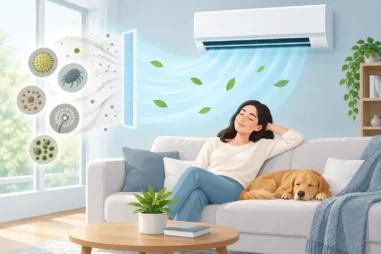
Enhanced filtration and electronic air cleaners can help reduce airborne particles, especially in homes with pets or allergy sufferers. UV treatment may be considered for targeted applications around HVAC coils and equipment where moisture creates favorable conditions for growth. No single device eliminates every indoor pollutant, and any product should be evaluated for compatibility, maintenance needs, and the specific contaminant you are trying to address.
Portable air cleaners can be useful for a single bedroom, nursery, office, or waiting area. They are a practical supplement, not a replacement for a properly operating central HVAC system. Look at the unit’s room-size rating and keep doors and windows closed for the best results.
When to Call for an Indoor Air Quality Assessment
Recurring odors, visible mold, unexplained humidity, frequent allergy symptoms, and rooms with weak airflow are all reasons to schedule a professional evaluation. So are repeated filter clogging, water around HVAC equipment, or a system that runs constantly without making the space feel comfortable.
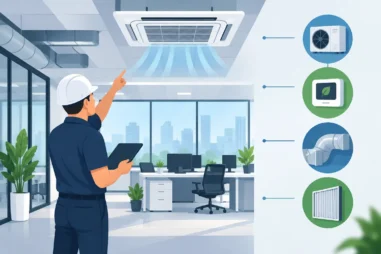
For commercial properties, an assessment is particularly helpful after tenant build-outs, major renovations, occupancy changes, or reports of uneven comfort across floors or suites. Airflow, ventilation, filtration, and control settings should work together. Changing one component without reviewing the rest of the system can create new problems.
A qualified HVAC team can inspect the equipment, check airflow and drainage, evaluate filtration, identify duct concerns, and recommend improvements based on the property rather than a one-size-fits-all package. Tamco Air helps New Jersey homeowners and commercial property operators address these issues with practical HVAC and air quality solutions designed for the way their spaces are actually used.
Clean indoor air is built through steady attention, not a single quick fix. If your space feels damp, dusty, stale, or difficult to keep comfortable, schedule an evaluation before a small air-quality concern turns into an equipment, moisture, or tenant-comfort problem.