01 Oct 2026


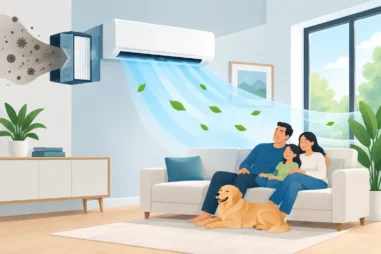
If allergy symptoms get worse when you walk through your front door, the problem may not be pollen alone. Dust, pet dander, mold spores, and outdoor allergens can circulate through a home every time the heating or cooling system runs. The best HVAC systems for allergies do more than heat and cool. They filter particles effectively, manage moisture, and move air without spreading contaminants from room to room.
For New Jersey homeowners, that matters through every season. Spring tree pollen, humid summers, fall ragweed, and dry winter air can each create a different indoor comfort challenge. The right answer is rarely one piece of equipment. It is a properly designed system with the right filtration, airflow, and humidity controls for the house.
What Makes an HVAC System Better for Allergies?
An allergy-friendly HVAC setup starts with clean, controlled airflow. Your system should capture airborne particles before they settle in living areas, keep indoor humidity in a healthy range, and avoid short cycling or uneven temperatures that leave rooms stale.
Filtration is usually the first priority. HVAC filters are rated by MERV, or Minimum Efficiency Reporting Value. A higher MERV rating captures smaller particles, but higher is not always better. Many homes can use a MERV 11 or MERV 13 filter, which can help reduce pollen, pet dander, dust mites, and some fine particles. However, a filter that is too restrictive for the equipment can reduce airflow, strain the blower, increase energy use, and lead to repair issues.
That is why filter selection should be based on the system, not just the label on the filter package. A technician can confirm what your furnace, air handler, or heat pump can handle safely.
Humidity is equally important. Dust mites and mold thrive when indoor humidity stays too high. In a humid New Jersey summer, a system that cools quickly but does not run long enough may leave excess moisture behind. A properly sized variable-speed system can run at lower speeds for longer periods, removing more moisture while maintaining steadier comfort.
Best HVAC Systems for Allergies: Your Main Options
Central heat pump or air conditioner with a variable-speed air handler
For many homes, a central heat pump or central air conditioning system paired with a variable-speed air handler is the strongest overall choice. It can serve the entire home through ductwork, support upgraded whole-home filtration, and provide the longer, lower-speed cycles that improve dehumidification.
A heat pump can also provide efficient heating during much of the New Jersey winter, sometimes with a furnace or other backup heat source for colder conditions. When designed correctly, this setup gives homeowners consistent temperatures, better moisture removal, and fewer airborne particles moving through the home.
The trade-off is that ductwork must be clean, sealed, and properly sized. Installing premium equipment on leaky, dusty ducts will not deliver the indoor air quality improvement you expect. In older homes, duct repairs or targeted redesign may be part of the project.
High-efficiency furnace with a media air cleaner
If your home already uses a gas furnace and central air conditioner, a high-efficiency furnace with a properly matched media air cleaner can be a practical allergy-focused upgrade. Media cabinets hold deeper, pleated filters with more surface area than standard 1-inch filters. That extra surface area can improve particle capture without creating the same airflow restriction as a very dense, thin filter.
This is often a good fit for homeowners replacing an aging furnace or improving an existing central system. It is also a smart option for homes where family members have pet allergies or react strongly to seasonal pollen.
The limitation is that a filter only works when the blower is moving air. Your technician may recommend blower settings that provide regular air circulation, but the best setting depends on the equipment, home layout, and energy goals.
Ductless mini-split systems for targeted rooms and additions
Ductless mini-splits are an excellent option for bedrooms, home offices, finished basements, additions, and older homes without usable ductwork. Each indoor unit has its own filter and serves a specific zone, so you can maintain comfort where allergy sufferers spend the most time.
Mini-splits are especially useful when one room is damp, stuffy, or difficult to cool with the central system. Their variable-speed operation also supports efficient temperature and humidity control.
Still, ductless equipment is not automatically a complete indoor air quality solution. The built-in filters require regular cleaning, and most mini-split systems do not provide the same level of whole-home particle filtration as a central system with a dedicated media cabinet. If allergies affect the entire household, a whole-home plan may be more effective than adding a single ductless unit.
Zoned HVAC systems for homes with uneven comfort
A zoning system divides a home into separate temperature areas using multiple thermostats, dampers, or independently controlled ductless units. Zoning can help allergy sufferers because it reduces temperature swings and can prevent the system from overcooling one area while another remains humid.
It is not a filtration upgrade by itself, but it can solve conditions that make indoor air feel worse. A second-floor bedroom that stays humid, for example, may need a dedicated zone, ductless unit, or airflow correction instead of a larger central system.
Do You Need a HEPA Filter in Your HVAC System?
HEPA filters are highly effective at capturing very small particles, but they are not automatically suitable for standard residential HVAC equipment. A true HEPA filter can create significant resistance to airflow unless the system is specifically designed to accommodate it.
For most homes, a correctly installed MERV 11 or MERV 13 media filter is a more realistic and effective starting point. If someone in the home has severe allergies, asthma, or another respiratory condition, a standalone HEPA air purifier can add focused protection in bedrooms and frequently used rooms without overloading the central HVAC system.
The best approach is often a combination: whole-home filtration for everyday circulation and a room-specific purifier where the allergy sufferer sleeps.
Humidity Control Is Not Optional
A clean filter cannot solve a moisture problem. Indoor humidity should generally stay around 30% to 50%. Above that range, mold growth and dust mite activity become more likely. Below it, dry nasal passages and irritated sinuses can make allergy symptoms feel worse.
In summer, your air conditioner or heat pump should remove moisture as it cools. If the home still feels clammy, the system may be oversized, improperly configured, low on refrigerant, or unable to move enough air across the coil. A whole-home dehumidifier may also be worthwhile in basements, larger homes, or properties with recurring humidity issues.
During winter, some homes benefit from carefully controlled humidification. The goal is not to add as much moisture as possible. It is to avoid air that is uncomfortably dry without creating window condensation or conditions that support mold.
Installation Details That Affect Allergy Relief
Even the right equipment can underperform if the installation is rushed or incomplete. Before choosing a new system, ask for an assessment of the home rather than a recommendation based only on square footage.
A reliable HVAC evaluation should account for:
- Duct leakage, dust buildup, insulation, and return-air placement
- Existing filter size, blower capacity, and safe MERV options
- Humidity levels in living spaces, basements, and bedrooms
- The home’s layout, sun exposure, occupancy, and problem rooms
Proper sizing is critical. An oversized air conditioner may cool the house quickly but shut off before it removes enough humidity. An undersized system may run constantly and still fail to maintain comfort. A load calculation helps determine the right capacity based on the actual home, not a guess.
Duct cleaning can be helpful when there is verified buildup, renovation debris, pest contamination, or visible mold concerns. But it should not replace filter changes, duct sealing, moisture control, or repairs. If mold is suspected inside HVAC components or ductwork, the moisture source needs to be identified and corrected first.
What About UV Lights and Air Purifiers?
UV lights can be useful in certain applications, particularly near an evaporator coil where moisture can encourage microbial growth. They are not a replacement for filtration, and they do not remove dust, dander, or pollen from the air. Their value depends on proper placement and maintenance.
Electronic air cleaners and ionizing products also deserve careful evaluation. Some units can produce ozone or other byproducts that may irritate sensitive lungs. For allergy-focused homes, proven mechanical filtration, controlled humidity, clean coils, and well-sealed ductwork are usually the safer priorities.
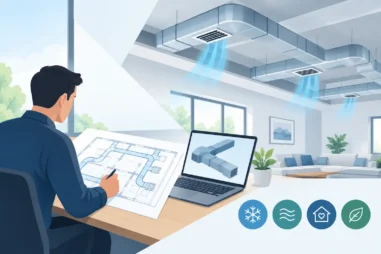
For apartment buildings, offices, and other commercial properties, the same fundamentals apply, but ventilation design and occupancy levels become more significant. A property manager may need a system review that considers outside air, filter access, multiple zones, and maintenance schedules so improvements do not disrupt tenants or daily operations.
Build the System Around Your Home, Not a Sales Pitch
There is no single unit that works best for every allergy sufferer. A newer central system with a variable-speed air handler and media filtration may be ideal for one home. Another may need a ductless mini-split for a problem bedroom, duct repairs, and a whole-home dehumidifier to see meaningful improvement.
The most useful next step is an on-site evaluation that looks at the equipment, ducts, filter setup, and humidity together. Tamco Air can help New Jersey homeowners and property managers identify the changes that will improve comfort without recommending equipment the building does not need. When the air in your home is cleaner, drier, and moving the way it should, allergy season becomes far more manageable.