24 Nov 2026

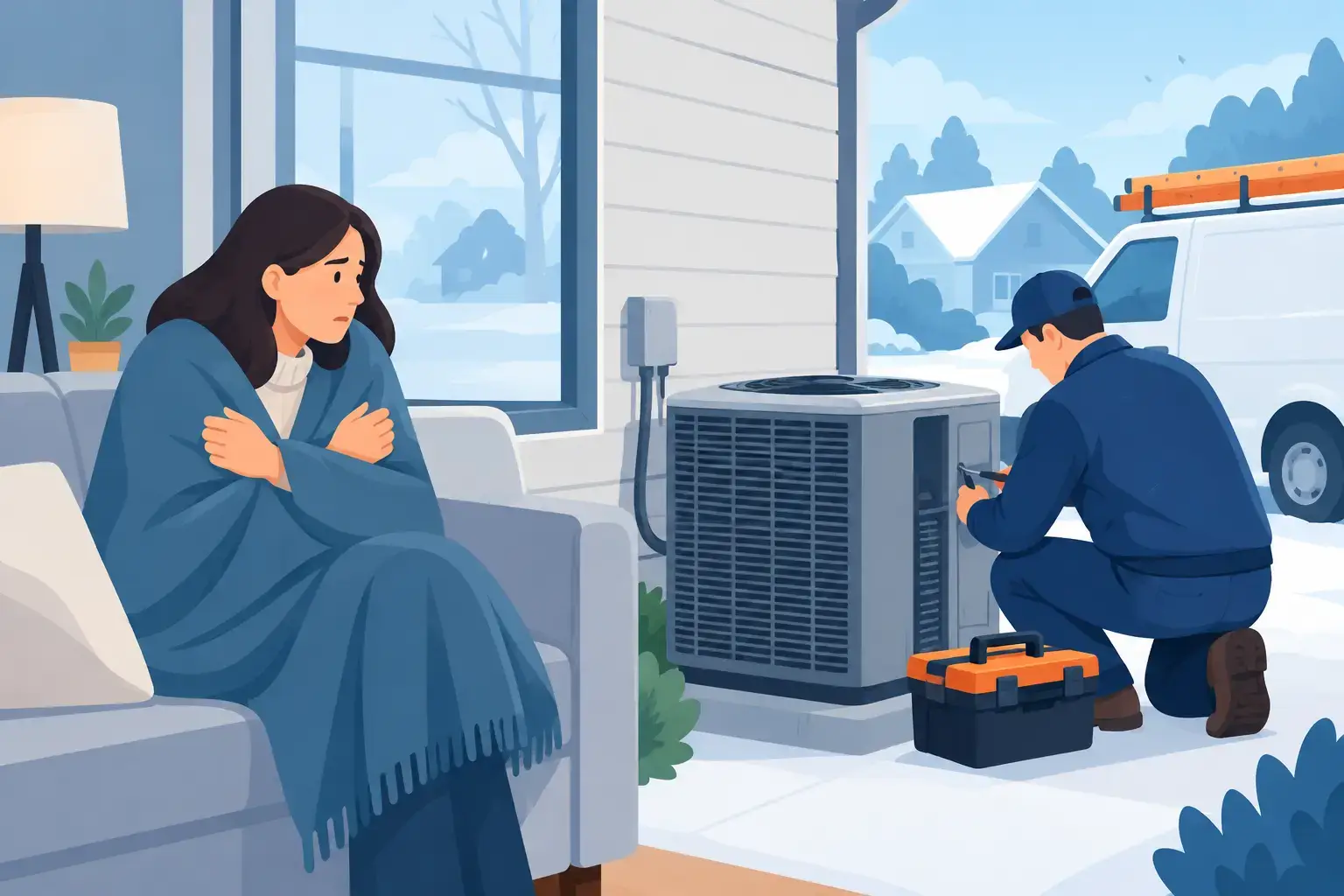
A furnace that stops producing heat on a freezing Middlesex County night or an air conditioner that quits during a humid July afternoon is more than an inconvenience. Emergency HVAC service is about protecting people, property, equipment, and day-to-day operations when a heating or cooling failure cannot safely wait for regular business hours.
The right response depends on what is happening. Some issues can be checked safely at the thermostat or electrical panel. Others, especially gas odors, burning smells, water near electrical equipment, or extreme indoor temperatures, require immediate professional help. Knowing the difference can prevent a small disruption from becoming a costly repair.
When Does an HVAC Problem Become an Emergency?
Not every unusual sound or comfort issue requires an after-hours visit. A system that is still operating but struggling to maintain temperature may be suitable for a scheduled repair, particularly during mild weather. But if a failure creates a safety concern, risks property damage, or leaves occupants without necessary heating or cooling, it should be treated as urgent.
For homeowners, emergency HVAC situations often include a complete loss of heat during cold weather, a failed air conditioner during dangerous heat, active water leakage from the system, or an electrical issue. Families with infants, older adults, pets, or people with medical conditions may need service sooner because indoor temperature changes can become unsafe quickly.
For property managers and commercial owners, the stakes can be even higher. An apartment building without heat can affect multiple residents. A restaurant, office, retail location, server room, or medical-related facility may face equipment loss, operational downtime, tenant complaints, or compliance concerns when its HVAC system fails. In these settings, fast diagnosis matters as much as fast repair.
Safety concerns that should not wait
Turn off the system and seek help right away if you smell gas, notice smoke, see sparks, hear loud electrical buzzing, or detect a burning odor that does not disappear quickly. If you suspect a gas leak, leave the building, avoid operating electrical switches or appliances, and contact the gas utility or emergency services from a safe location.
Carbon monoxide alarms also require immediate action. If an alarm sounds, get everyone outside, call emergency services, and do not reenter until the property has been cleared. A malfunctioning furnace, venting problem, or cracked heat exchanger can create serious hazards that cannot be diagnosed safely by trial and error.
What to Do Before You Call for Emergency HVAC Service
A few quick checks may restore operation or help a technician arrive prepared. These steps should only be taken if there is no gas smell, smoke, sparking, flooding, or other immediate safety concern.
First, check the thermostat. Confirm that it is set to Heat or Cool as needed, the target temperature is correct, and the batteries are working if it uses them. A thermostat accidentally switched to Off, a dead battery, or a programming error can look like a system failure.
Next, inspect the electrical panel for a tripped breaker. If the HVAC breaker has tripped once, you can reset it one time. If it trips again, leave it off. Repeated tripping may point to an electrical fault, a failing motor, a compressor issue, or another problem that needs professional service.
For cooling problems, look at the air filter and outdoor unit. A severely clogged filter can restrict airflow and cause the evaporator coil to freeze. If the indoor coil appears frozen or airflow has dropped sharply, turn the cooling system off and set the fan to On if it is still operating. This can help the coil thaw while you arrange service. Do not chip ice away or remove panels.
For heating problems, make sure the furnace access panel is fully closed and check that exterior vents are clear of snow, ice, leaves, or debris. High-efficiency furnaces rely on intake and exhaust piping, and a blockage can shut the unit down. Never block vents or attempt to bypass a safety switch.
If water is pooling around an air handler, furnace, or indoor coil, turn the system off if it is safe to do so. A clogged condensate drain, failed pump, frozen coil, or drain line issue can lead to ceiling, flooring, and equipment damage. Take a photo of the leak and move valuable items away from the area while waiting for service.
Information That Helps a Technician Respond Faster
Emergency service goes more smoothly when the technician has a clear picture of the problem before arriving. Be ready to describe whether the system is completely off, running without heating or cooling, making unusual noises, leaking water, or displaying an error code.
It also helps to share the equipment type and location. A basement furnace, rooftop unit, ductless mini-split, boiler, package unit, or commercial air handler each calls for a different diagnostic approach. Property managers should note whether the issue affects one suite, one floor, or the entire building, along with any access requirements for mechanical rooms or roofs.
If you have already changed the filter, reset a breaker, or adjusted the thermostat, mention that as well. It saves time and allows the technician to focus on likely causes instead of repeating basic checks.
What an Emergency HVAC Visit Should Include
A reliable emergency call is not just about getting equipment to turn back on. The technician should identify why it failed and explain the condition of the system in clear terms. Temporary restoration can be appropriate when a part must be ordered, but customers deserve to understand what is temporary and what should happen next.
A proper diagnosis may include checking electrical components, refrigerant performance, airflow, drainage, ignition systems, venting, safety controls, motors, capacitors, contactors, and thermostat communication. On commercial equipment, the evaluation may also involve economizers, controls, multiple zones, rooftop access, and the impact on connected equipment.
The repair path depends on the cause. A failed capacitor, clogged drain, worn igniter, faulty thermostat, or loose electrical connection may be repaired during the visit. A failed compressor, cracked heat exchanger, major refrigerant leak, or obsolete control board can require a larger repair or replacement plan. The best choice depends on the system’s age, condition, efficiency, warranty status, and the cost of restoring reliable operation.
That trade-off matters. Repairing an older unit may make sense when the problem is isolated and the rest of the equipment is in good condition. Replacement may be the more practical option when breakdowns are recurring, energy bills are rising, parts are difficult to source, or the repair cost approaches the value of a newer, more efficient system.
How to Protect Your Property While You Wait
If the heat is out in winter, close doors to unused rooms, use blankets and layered clothing, and keep cabinet doors open beneath sinks on exterior walls to help warm air reach plumbing. Do not use an oven, grill, or fuel-burning device to heat the home. Space heaters should only be used according to manufacturer instructions, on a stable surface, and well away from bedding, curtains, and furniture.
If cooling fails during hot weather, close blinds and curtains, limit appliance use, drink water regularly, and move to a cooler location if indoor conditions become unsafe. Check on vulnerable family members, neighbors, tenants, and pets. For commercial facilities, protect temperature-sensitive inventory and notify staff or tenants early if operations may be affected.
Water damage needs its own response. Place towels or a container under a minor accessible drip only if doing so is safe, and avoid contact with electrical wiring or panels. If water is spreading rapidly, shut off the HVAC system and contact a qualified professional promptly.
Reducing the Odds of Another HVAC Emergency
Many emergency calls begin with issues that develop gradually: a dirty filter, a neglected drain line, a weakening capacitor, poor airflow, or a worn ignition component. Routine maintenance does not eliminate every surprise, but it gives technicians a chance to find these problems before the hottest or coldest day of the year exposes them.
Homeowners should replace filters on the schedule recommended for their system and household conditions. Homes with pets, renovation dust, allergies, or high occupancy may need more frequent changes. Keep outdoor condensers clear of leaves, mulch, and overgrowth, and avoid storing items around furnaces, air handlers, or water heaters.
Commercial properties benefit from scheduled inspections that account for occupancy, operating hours, rooftop conditions, ventilation needs, and critical areas. A maintenance plan is particularly valuable for multi-zone buildings, apartment properties, and businesses where even a short shutdown can create larger costs.
For New Jersey homeowners and businesses, Tamco Air provides 24/7 emergency HVAC support along with repairs, replacement options, system design, and ongoing maintenance. The goal is not simply to restore comfort for the night, but to help you make a sound decision about the system that serves your property long after the emergency is over.
When your system fails, stay focused on safety, avoid risky DIY fixes, and document what you are seeing. A fast, informed response gives your technician the best chance to protect your comfort and get your property back to normal.