


 26 Jul 2026
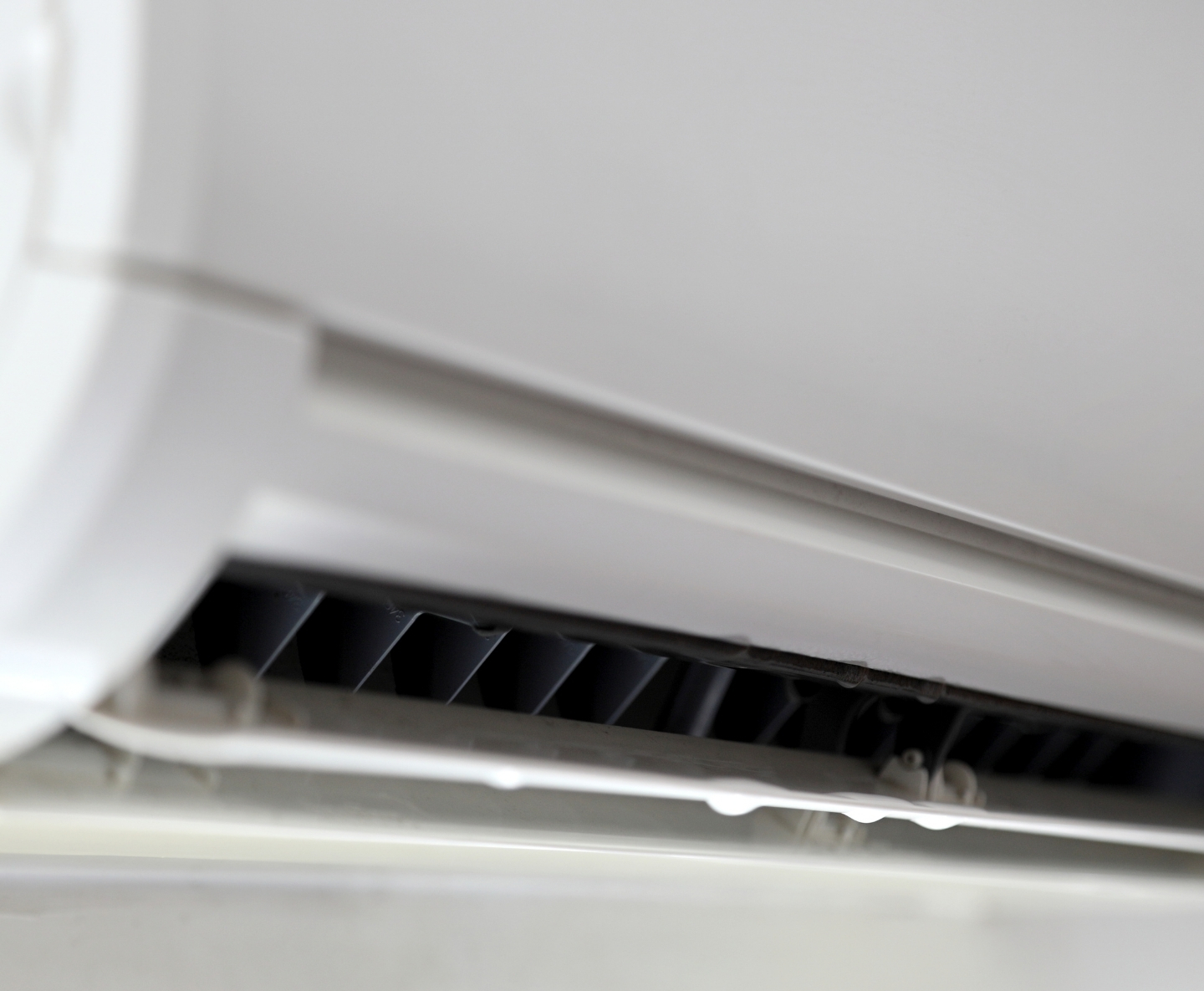
A frozen AC or water leaking from the indoor unit usually means the air conditioner is not moving heat, air, or moisture properly. In summer, this often happens when airflow is restricted, the evaporator coil gets too cold, the condensate drain is clogged, or the system is low on refrigerant.
These problems should not be ignored. A frozen coil can damage the compressor if the system keeps running. A leaking indoor unit can damage ceilings, walls, flooring, insulation, or nearby equipment. The sooner the cause is found, the easier it is to prevent a small HVAC issue from becoming an expensive repair.
Why an AC Freezes in Summer
An air conditioner can freeze even when it is hot outside. This usually happens when the evaporator coil drops below freezing. The coil is supposed to absorb heat from indoor air. If there is not enough warm air moving across the coil, or if refrigerant pressure is incorrect, moisture on the coil can freeze.
Common causes include:
- Dirty air filter
- Blocked return air
- Closed or covered supply vents
- Dirty evaporator coil
- Low refrigerant
- Weak blower motor
- Duct restrictions
- Thermostat set too low
- Running the AC continuously during poor airflow conditions
Once ice forms, airflow becomes even weaker. The system may keep running, but cooling drops sharply. Eventually, the AC may blow warm air, leak water after thawing, or shut down.
Why Water Leaks From the Indoor Unit
Water leaking from the indoor AC unit usually comes from the condensate system. During normal operation, your AC removes moisture from indoor air. That moisture collects on the evaporator coil, drips into the drain pan, and exits through the condensate drain line.
If that water cannot drain properly, it may overflow or leak around the indoor unit.
Common causes include:
- Clogged condensate drain line
- Cracked or rusted drain pan
- Frozen coil thawing
- Disconnected drain line
- Dirty evaporator coil
- Poor system installation
- Failed condensate pump
- Blocked drain trap
- Excess indoor humidity
In summer, the AC removes more moisture from the air, especially in humid climates. That means the condensate drain has to work harder. If the drain line is partially clogged, water problems often appear during the hottest and most humid days.
Frozen Coil vs. Water Leak: How They Are Connected
A frozen AC and a water leak are often connected. When the evaporator coil freezes, ice builds up inside the indoor unit. When the system shuts off or the ice begins to melt, that water may overwhelm the drain pan and leak around the unit.
This is why homeowners often notice water first and do not realize the coil was frozen earlier.
Signs the leak may be caused by a frozen coil include:
- Weak airflow before the leak appeared
- Warm air from vents
- Ice on refrigerant lines
- Water leaking after the AC shuts off
- System running for long periods without cooling
- Filter was very dirty
- Indoor unit area feels unusually cold
If you see ice, do not keep running the AC. Turn the system off and allow it to thaw. Running the system while frozen can put serious stress on the compressor.
Dirty Air Filter
A clogged air filter is one of the most common reasons an AC freezes. When the filter is packed with dust, pet hair, or debris, airflow through the system drops. Without enough air moving across the evaporator coil, the coil can become too cold and freeze.
A dirty filter can cause:
- Weak airflow
- Ice on the coil
- Warm air from vents
- Longer cooling cycles
- Higher energy bills
- Poor humidity control
- Water leakage after thawing
The first thing to check is the air filter. If it is dirty, replace it. During summer, filters may need to be checked every 30 to 60 days, especially in homes with pets, dust, or heavy AC use.
Dirty Evaporator Coil
A dirty evaporator coil can also cause freezing and water problems. Dust and buildup on the coil reduce heat transfer. The coil may become too cold, moisture may freeze on its surface, and the system may lose cooling efficiency.
Signs of a dirty coil include:
- AC runs but does not cool well
- Weak airflow
- Musty odor
- Ice on the coil or refrigerant line
- Water leaking near the indoor unit
- Higher indoor humidity
- Rising energy bills
Because the evaporator coil is inside the indoor equipment, it is not always easy to inspect or clean safely. If coil buildup is suspected, professional service is usually the better option. TAMCO’s coil cleaning for peak performance can help restore proper heat transfer, airflow, and moisture removal.
Low Refrigerant
Low refrigerant can make the evaporator coil too cold and cause freezing. Refrigerant does not get “used up” during normal operation. If refrigerant is low, the system likely has a leak.
Signs of low refrigerant include:
- Ice on refrigerant lines
- Warm air from vents
- Hissing or bubbling sounds
- Long cooling cycles
- Poor humidity removal
- AC cannot reach the thermostat setting
This is not a DIY repair. A technician needs to check refrigerant pressure, locate the leak, repair it if possible, and recharge the system correctly. Adding refrigerant without fixing the leak only delays the problem.
Clogged Condensate Drain
A clogged condensate drain is one of the most common reasons for water leaking from the indoor unit. Dust, algae, dirt, and debris can collect inside the line and block drainage.
Signs of a clogged drain include:
- Water around the indoor unit
- AC shuts off unexpectedly
- Musty smell
- Wet ceiling or wall near the unit
- Full drain pan
- High indoor humidity
Many systems have a float switch that shuts the AC off when water backs up. This helps prevent water damage, but it also means the home may suddenly lose cooling during hot weather.
What to Do If Your AC Is Frozen
If your AC is frozen, turn it off. Do not keep lowering the thermostat or forcing the system to run. That can make the problem worse.
Basic steps:
- Turn cooling mode off
- Set the fan to “on” to help thaw the coil
- Replace the air filter if it is dirty
- Make sure vents and returns are open
- Check for visible ice on refrigerant lines
- Wait until the system is fully thawed
- Call a technician if freezing returns
Do not try to chip ice off the coil. This can damage delicate fins or refrigerant tubing.
What to Do If Water Is Leaking Indoors
If water is leaking from the indoor unit, turn the system off to prevent further damage. Then check the area around the equipment.
Basic steps:
- Turn off the AC
- Clean up standing water
- Check whether the filter is dirty
- Look for ice on refrigerant lines
- Check if the drain pan is full
- Avoid restarting the system if water keeps leaking
- Call for service if the drain is clogged or the coil was frozen
Water leaks should be handled quickly, especially if the indoor unit is in an attic, ceiling, closet, or finished area.
When to Call an HVAC Technician
Call a technician if the AC freezes more than once, leaks water repeatedly, blows warm air, has weak airflow, or shows ice on refrigerant lines. These signs usually mean there is an airflow, refrigerant, coil, drain, or blower issue that needs proper diagnosis.
Professional service is especially important if:
- The coil keeps freezing
- The condensate drain is clogged
- Water is damaging walls or ceilings
- Refrigerant may be low
- The blower motor is weak
- The evaporator coil is dirty
- The system shuts off repeatedly
- The AC runs but does not cool
A frozen AC or leaking indoor unit is not just an inconvenience. It is a warning that the system is not operating correctly.
Final Thoughts
A frozen AC and water leaking from the indoor unit are two of the most common summer HVAC problems. They often come from restricted airflow, dirty filters, dirty coils, low refrigerant, clogged condensate drains, or blower issues.
If the AC is frozen, turn it off and let it thaw. If water is leaking, shut the system down and prevent damage to the surrounding area. Basic checks like replacing the filter and opening vents may help, but recurring freezing or leaking needs professional service.
A properly working AC should remove heat and humidity without ice buildup or indoor water leaks. If either problem appears during summer, the system should be inspected before more serious damage occurs.