


 15 Aug 2026
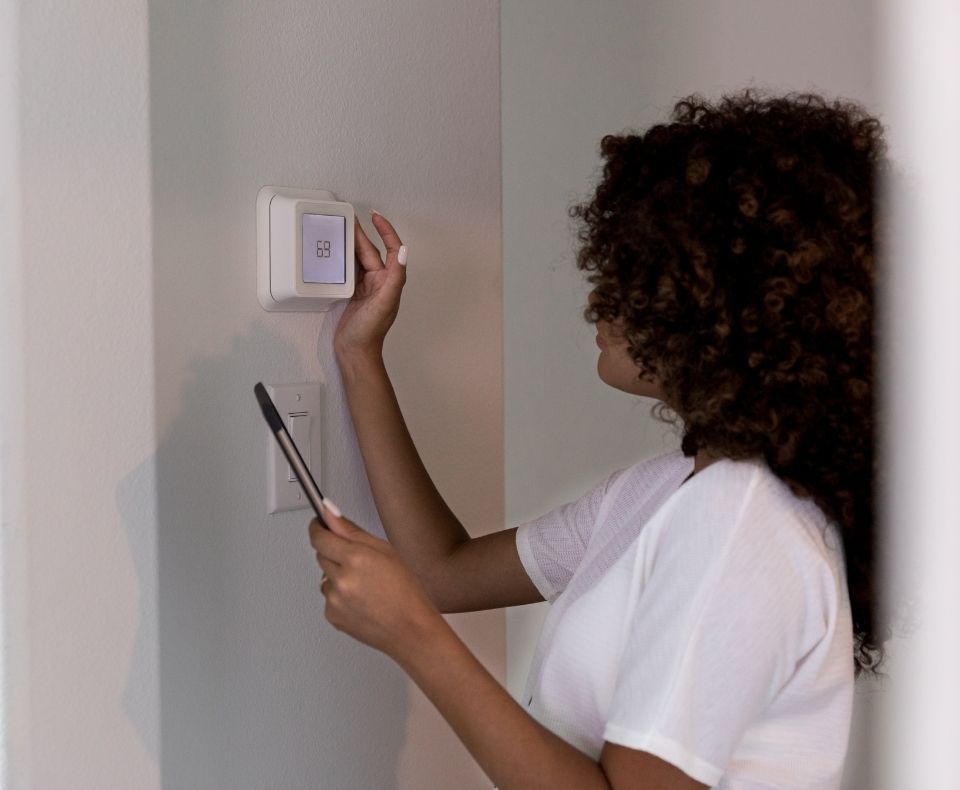
If your thermostat is not working, your HVAC system may not turn on, may run at the wrong time, or may fail to heat or cool the home properly. In many cases, the problem is simple: dead batteries, incorrect settings, a tripped breaker, loose wiring, or a dirty thermostat. In other cases, the thermostat may be fine, but the HVAC system is not responding because of a deeper electrical or equipment issue.
A thermostat is the control center of your heating and cooling system. It reads indoor temperature, compares it to the set temperature, and tells the HVAC system when to start or stop. When it fails, the whole system can seem broken even if the furnace, air conditioner, or heat pump is still functional.
Blank Thermostat Screen
A blank thermostat screen is one of the most common signs of a power issue. If the display is completely off, the thermostat may not be receiving power or the batteries may be dead.
Common causes include:
- Dead batteries
- Tripped HVAC breaker
- Shut-off switch turned off
- Loose thermostat faceplate
- Blown low-voltage fuse
- Loose wiring
- Furnace or air handler door not closed properly
Start by replacing the batteries if your thermostat uses them. Then check the electrical panel for a tripped breaker. If the thermostat still stays blank, the issue may be with wiring, the HVAC control board, or a safety switch inside the system.
Incorrect Thermostat Settings
Sometimes the thermostat is working, but the settings are wrong. This can make the AC or furnace seem like it is not responding.
Check that:
- The thermostat is set to “cool” for AC
- The thermostat is set to “heat” for heating
- The temperature is set correctly
- The fan is set to “auto,” not “on”
- The schedule is not overriding your setting
- The system is not in vacation or eco mode
- The time and day are correct on programmable models
If the fan is set to “on,” the blower may run even when the system is not actively heating or cooling. This can make the air feel warm in cooling mode or cool in heating mode.
Dead or Weak Batteries
Many thermostat problems come from weak batteries. Even if the screen still works, low battery power can cause delayed response, incorrect readings, or system communication issues.
Signs of weak batteries include:
- Faded display
- Blank screen
- Low battery warning
- Thermostat resets itself
- HVAC system starts inconsistently
- Buttons respond slowly
Replace the batteries with fresh ones and make sure they are installed correctly. If the thermostat still does not work after replacement, the issue may not be battery-related.
Tripped Breaker or Power Switch
Your thermostat often receives power from the HVAC system. If the indoor air handler or furnace loses power, the thermostat may stop working too.
Check:
- Main electrical panel
- HVAC breaker
- Furnace or air handler service switch
- Outdoor AC disconnect if cooling is affected
- GFCI outlets near equipment if applicable
If a breaker has tripped, reset it once. If it trips again, do not keep resetting it. Repeated breaker trips can indicate an electrical fault, motor problem, compressor issue, or wiring problem that needs professional service.
Loose or Damaged Wiring
Thermostat wiring carries low-voltage signals between the thermostat and HVAC equipment. If a wire is loose, damaged, corroded, or connected incorrectly, the system may not respond.
Wiring problems can cause:
- AC not turning on
- Heat not turning on
- Fan not running
- Thermostat blank screen
- System short cycling
- Incorrect mode operation
- Intermittent HVAC response
Loose wiring is more common after thermostat replacement, renovation work, or accidental pulling on the thermostat faceplate. If you are not comfortable working with wiring, do not remove or adjust wires yourself. Incorrect connections can damage the thermostat or HVAC control board.
Dirty Thermostat or Bad Sensor Reading
Dust inside the thermostat can affect temperature sensing and internal contacts. If the thermostat reads the room temperature incorrectly, the HVAC system may turn on too late, shut off too early, or run longer than needed.
A thermostat may misread temperature if it is:
- Covered in dust
- Near direct sunlight
- Close to a supply vent
- Near a kitchen or appliance
- Installed on an exterior wall
- Close to electronics
- Exposed to drafts
A thermostat should be installed in a central indoor location away from heat sources, direct sun, doors, windows, and vents. If the location is poor, the thermostat may work mechanically but control the system poorly.
Programmable or Smart Thermostat Issues
Programmable and smart thermostats can create comfort problems if schedules, Wi-Fi settings, app controls, or learning features are not configured correctly.
Common issues include:
- Schedule overriding manual settings
- Eco mode reducing comfort
- Incorrect time or date
- App control delay
- Lost Wi-Fi connection
- Incorrect system type selected
- Software or setup error
- Compatibility issue with HVAC equipment
If your smart thermostat was recently installed and the system does not work correctly, compatibility should be checked. Some HVAC systems require a common wire, known as a C-wire, to provide continuous power.
C-Wire Problems
Many modern smart thermostats need a C-wire for steady power. Without it, the thermostat may lose power, restart, disconnect from Wi-Fi, or fail to control the HVAC system reliably.
Signs of C-wire issues include:
- Thermostat restarts often
- Wi-Fi drops frequently
- Screen turns off
- HVAC system behaves inconsistently
- Battery drains quickly
- Thermostat works for a while, then fails
A technician can confirm whether your thermostat has proper low-voltage power and install a C-wire or adapter if needed.
HVAC Safety Switch Is Activated
Sometimes the thermostat is not the problem at all. Many HVAC systems have safety switches that stop operation when something is wrong. When a safety switch is triggered, the thermostat may appear unresponsive or the system may not start.
Common safety-related causes include:
- Clogged condensate drain
- Full drain pan
- Open furnace or air handler panel
- Float switch activation
- Furnace rollout switch issue
- High-limit switch issue
- Blown low-voltage fuse
In cooling season, a clogged condensate drain is especially common. If water backs up, the float switch may shut the system off to prevent water damage.
Thermostat Is Old or Failing
Thermostats do not last forever. Over time, sensors, contacts, screens, buttons, and internal electronics can fail. If the thermostat is older, inaccurate, or unreliable, replacement may be the best fix.
Signs of a failing thermostat include:
- Incorrect temperature readings
- System does not respond
- Screen goes blank randomly
- Buttons stop working
- HVAC cycles at the wrong time
- Settings reset often
- System works only intermittently
A new thermostat can improve control, but it must be compatible with your HVAC system. Heat pumps, multi-stage systems, furnaces, central AC systems, and dual-fuel systems may require different thermostat configurations.
What Homeowners Can Check First
Before calling for service, homeowners can safely check a few basic items.
Start with:
- Replace thermostat batteries
- Confirm heat or cool mode
- Set the temperature several degrees above or below room temperature
- Check fan setting
- Review schedule settings
- Make sure the thermostat faceplate is seated correctly
- Check the breaker once
- Check for water near the indoor unit
- Make sure the furnace or air handler panel is closed
- Look for low battery warnings or error messages
If these steps do not solve the issue, the problem may involve wiring, low-voltage power, HVAC controls, or internal equipment safety switches.
When to Call for HVAC Repair
Call a professional if the thermostat remains blank, the HVAC system does not respond, the breaker trips repeatedly, the thermostat wiring looks loose or damaged, or the system starts and stops unpredictably.
Professional service is also needed if:
- The AC will not turn on
- Heat will not turn on
- The thermostat has power but the system does not respond
- A float switch keeps shutting the system down
- There is water near the indoor unit
- The system short cycles
- The thermostat was recently replaced and problems started
- You suspect a C-wire or compatibility issue
For cooling problems connected to thermostat failure, wiring, safety switches, or AC startup issues, TAMCO provides air conditioning repair to diagnose the cause and restore proper system operation.
Final Thoughts
A thermostat that is not working can make the entire HVAC system seem broken. The cause may be simple, such as dead batteries or wrong settings, or more technical, such as loose wiring, a C-wire issue, tripped breaker, float switch, or failing control board.
Start with safe checks: batteries, settings, breaker, thermostat placement, schedule, and indoor unit access panel. If the thermostat still does not respond or the HVAC system will not start, schedule professional diagnosis.
A working thermostat should read temperature accurately, communicate clearly with the HVAC system, and control heating and cooling without random shutdowns or delays. If it cannot do that consistently, the problem should be corrected before it leads to comfort issues or equipment strain.