


 21 Sep 2026
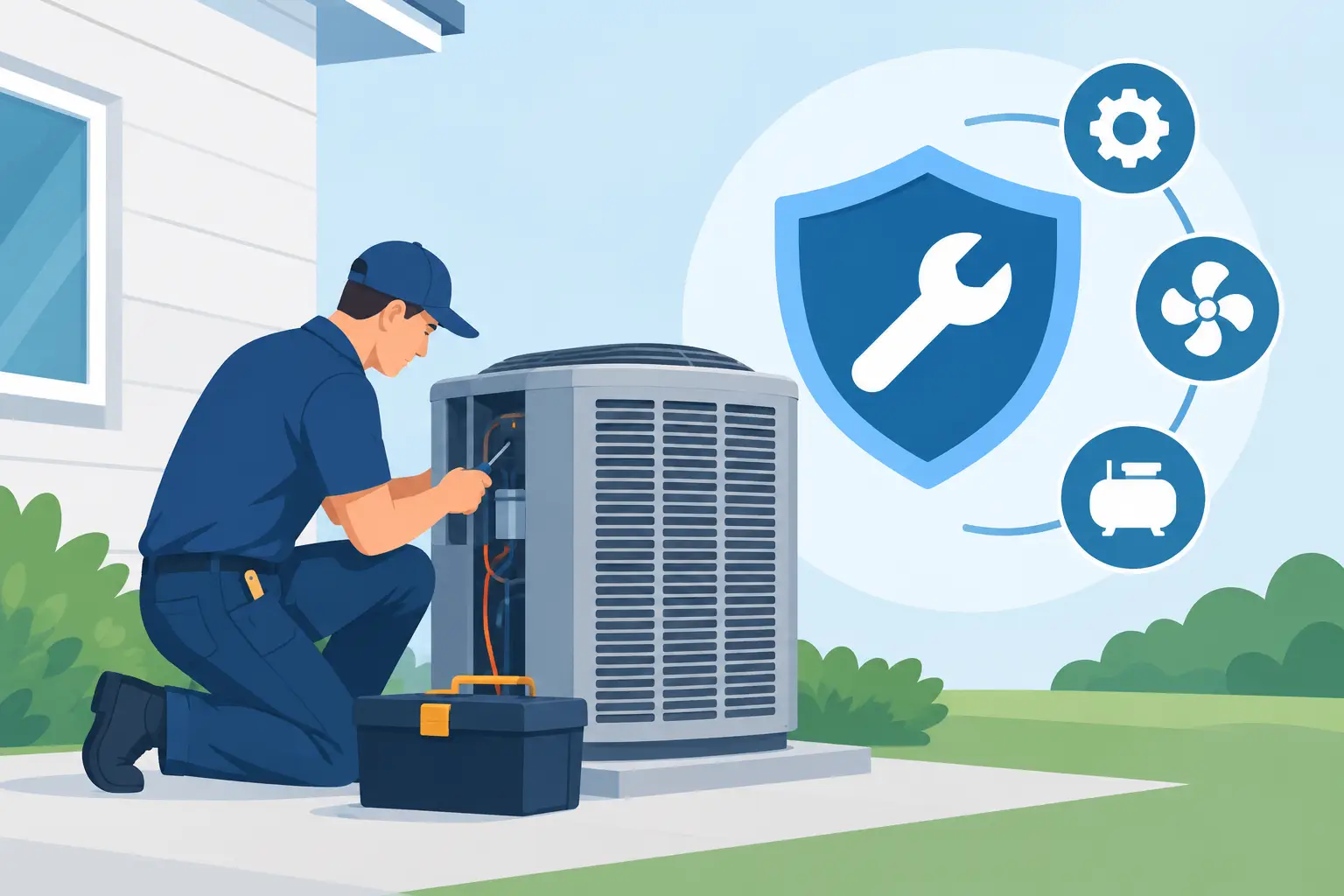
A new furnace or air conditioner can come with an impressive manufacturer warranty, but that does not automatically mean every repair will be free. HVAC labor warranty coverage addresses a separate cost: the technician time required to diagnose the problem, remove failed parts, install replacements, test the system, and restore proper operation. For New Jersey homeowners and property managers, understanding that difference before installation can prevent a frustrating surprise later.
The practical question is not simply, “Does this system have a warranty?” It is, “Who pays when a covered part fails and the work to replace it takes several hours?” The answer depends on the written terms of both the equipment manufacturer and the installing contractor.
What HVAC Labor Warranty Coverage Typically Includes
An HVAC labor warranty is generally provided by the contractor who installed the equipment. It covers the workmanship and labor involved if an installation-related issue occurs during the warranty period. Depending on the agreement, it may also cover labor to replace a manufacturer-warranted part.
A typical covered service call may include diagnosing a no-cool or no-heat complaint, removing a defective part, installing the replacement, reconnecting wiring or refrigerant lines as needed, and verifying that the system is operating safely and correctly. If a blower motor, control board, compressor, or another component qualifies for manufacturer replacement, labor coverage can make a meaningful difference in the final bill.
The exact scope matters. Some labor warranties cover only defects related to the original installation. Others extend to labor associated with certain equipment repairs for a stated period. A longer labor warranty can offer stronger protection, but customers should still confirm whether it applies to all components or only specified repairs.
Parts Warranties and Labor Warranties Are Different
Most major HVAC manufacturers offer limited parts warranties. If an eligible component fails under the manufacturer’s terms, the manufacturer may supply the replacement part at no charge. That warranty does not necessarily pay for the technician’s visit, diagnostic work, installation labor, shipping, refrigerant, or other materials needed to complete the repair.
For example, a system may have a 10-year parts warranty on a compressor. If that compressor fails in year seven, the part itself may be covered. Yet compressor replacement is complex work that can involve recovering refrigerant, opening the sealed system, installing the new component, pressure testing, evacuating, recharging, and confirming performance. Without labor coverage, the property owner may still be responsible for a substantial repair charge.
This is why a proposal should identify the equipment warranty and the contractor’s labor warranty separately. They solve different problems and should not be treated as the same protection.
What Is Usually Not Covered
A warranty is not a maintenance plan or an unlimited repair promise. Coverage commonly excludes conditions that are outside the contractor’s control, including damage from power surges, flooding, fire, pests, vandalism, or severe weather. Failures caused by neglected maintenance may also fall outside the terms.
Clogged filters, dirty coils, blocked condensate drains, and poor airflow can create operating issues that put stress on HVAC equipment. Regular service helps catch these problems early and gives the technician a record of system condition. For commercial properties, documented maintenance is especially useful when multiple occupants, extended run times, and rooftop or multi-zone equipment are involved.
Labor coverage may also exclude accessories or third-party products unless they are specifically listed. Thermostats, humidifiers, air purification equipment, zoning controls, condensate pumps, and electrical upgrades can have their own warranties. Ask for clarification when a project includes more than the core heating and cooling equipment.
How Long Should Labor Coverage Last?
There is no single right warranty length for every property. A basic labor warranty may last one year, while longer options can provide several years of protection. The right choice depends on the system, the building, the expected use, and the owner’s tolerance for unexpected repair costs.
For a homeowner replacing an aging central air conditioner, longer coverage can add confidence during the years when the system is settling into normal operation. For a landlord or property manager responsible for several units, labor protection can make budgeting more predictable and reduce disruption when an urgent repair is needed.
Commercial systems require a closer look. A rooftop unit serving an office, retail space, or apartment common area may operate longer hours and face more demanding conditions than a residential system. A labor warranty has value, but it should be paired with a maintenance strategy that addresses filters, belts, drainage, electrical components, refrigerant performance, and seasonal start-up needs.
A longer term is not automatically better if the exclusions are broad or the contractor’s responsibilities are unclear. The best warranty is specific, written in plain language, and backed by a local company that can respond when service is needed.
Questions to Ask Before You Approve an HVAC Installation
Before signing an installation proposal, ask how long the labor warranty lasts and whether labor is covered when a manufacturer-warranted part fails. Confirm whether diagnostic fees, trip charges, refrigerant, permits, and disposal are included or excluded during a warranty repair.
Also ask what actions could void coverage. Equipment registration is a common requirement for extended manufacturer parts warranties. Some warranties require professional maintenance, while others require that repairs be completed by authorized technicians. Keep copies of your proposal, invoice, registration confirmation, maintenance records, and warranty documents in one place.
For new construction or major renovation work, clarify who is responsible if system performance problems arise after occupancy. HVAC design, duct sizing, zoning, insulation, electrical capacity, and thermostat placement all affect comfort. A labor warranty is valuable, but a properly designed and commissioned system is the first line of defense against callbacks and uneven temperatures.
Read the Service Commitment, Not Just the Term
A warranty can look good on paper but be difficult to use if the contractor is hard to reach, slow to schedule, or unfamiliar with the original installation. When heating fails during a New Jersey cold snap or cooling stops during a humid summer week, response time matters as much as the warranty language.
Choose an HVAC partner with certified, insured technicians and a clear process for warranty service. Tamco Air supports residential and commercial customers with practical warranty guidance, fast scheduling, and service capability for everything from standard replacements to multi-zone and commercial systems.
When a Warranty Claim Is Needed
If you suspect a covered problem, contact the installing contractor before authorizing repairs from another provider whenever possible. Explain the symptoms, provide the installation date, and have model and serial numbers available. A technician must typically inspect the equipment and determine whether the failure qualifies under the applicable labor or manufacturer warranty.
Do not assume that a recurring comfort problem means a failed part. A thermostat setting, dirty filter, damaged ductwork, low airflow, a drain issue, or an electrical problem may be the actual cause. Proper diagnostics protect the equipment, prevent unnecessary part replacement, and establish whether coverage applies.
Emergency conditions are different. If there is a gas smell, burning odor, smoke, electrical arcing, carbon monoxide concern, or water leak near electrical equipment, shut the system down if it is safe to do so and request immediate professional service. Warranty questions can be sorted out after the property and occupants are protected.
Protecting the Value of Your HVAC Investment
Labor warranty coverage is most useful when it is part of a larger ownership plan. Register the equipment promptly, change filters on schedule, keep outdoor units clear of leaves and debris, and arrange seasonal maintenance. Those simple actions support efficient operation and make developing issues easier to address before they become expensive failures.
When comparing HVAC proposals, do not compare equipment price alone. Compare the installation scope, system design, parts warranty, labor warranty, maintenance expectations, and the local team standing behind the work. A lower initial quote can lose its advantage quickly if it leaves labor costs and service response uncertain.
Comfort should not come with vague promises. Before your next installation or replacement, ask for the warranty terms in writing and make sure you understand exactly who will be there to put the system right when it matters.