


 09 Aug 2026

A failed air conditioner compressor can turn a manageable comfort issue into a no-cooling emergency quickly. This guide to AC compressor repair explains what the compressor does, how to recognize trouble early, and why an accurate professional diagnosis matters before you approve a major repair or replacement.
For New Jersey homeowners, property managers, and business owners, the goal is not simply to get cool air back. It is to identify the real cause of the problem, protect the rest of the HVAC system, and make a sound decision based on the unit’s age, condition, warranty status, and repair cost.
What the AC Compressor Does
The compressor is the heart of a central air conditioning or heat pump system. Located in the outdoor condenser unit, it pressurizes refrigerant and moves it through the system so heat can be removed from your indoor air.
When the compressor is running correctly, refrigerant circulates between the indoor evaporator coil and outdoor condenser coil in a controlled cycle. If the compressor cannot start, maintain pressure, or operate safely, the system cannot cool effectively. In many cases, it will not cool at all.
Because a compressor is a sealed mechanical component that works with electrical controls and refrigerant, it is not a typical do-it-yourself repair. The right fix may involve a relatively affordable electrical component, a refrigerant issue, a contaminated system, or a compressor replacement. Those are very different situations, which is why diagnosis comes first.
Signs You May Need AC Compressor Repair
A compressor rarely fails without leaving clues. Some signs point directly to the compressor, while others can also be caused by a capacitor, contactor, thermostat issue, dirty coil, failing fan motor, or refrigerant leak.
If your AC is running but blowing warm air, the system may not be moving refrigerant properly. A weak compressor is one possibility, but low refrigerant or a dirty outdoor coil can create similar symptoms. Warm air should be investigated promptly instead of solved by repeatedly lowering the thermostat.
Loud noises from the outdoor unit also deserve attention. A hard-starting compressor may make a humming sound before shutting off. Internal mechanical damage can produce rattling, banging, or grinding noises. A clicking sound may come from electrical controls attempting to start the unit, but the compressor may not be receiving the power it needs.
Frequent breaker trips are another warning sign. An air conditioner can trip a breaker because of a compressor drawing excessive electrical current, but wiring problems, a failing capacitor, or a damaged outdoor fan can also be responsible. Do not keep resetting the breaker. That can increase the risk of further electrical damage.
Other signs include reduced airflow throughout the building, higher-than-normal utility bills, ice on refrigerant lines, and a system that shuts down after only a few minutes. For commercial properties, a sudden rise in tenant comfort complaints or inconsistent cooling across zones can signal a larger equipment issue that needs immediate attention.
Common Causes of Compressor Problems
Compressor failures often begin with another issue in the system. Replacing the compressor without addressing that underlying cause can put the new part at risk.
Refrigerant leaks are a common example. A system that operates with too little refrigerant can overheat and strain the compressor. Adding refrigerant without finding and repairing the leak is only a temporary measure. A licensed HVAC technician should locate the leak, make the appropriate repair, and verify that refrigerant charge matches manufacturer specifications.
Electrical failure is another frequent cause. Capacitors help provide the electrical boost needed to start and run motors. Contactors deliver power to the outdoor unit. When either part wears out, the compressor may hum, fail to start, or cycle improperly. These repairs are often far less expensive than replacing a compressor, which makes testing essential.
Dirty condenser coils can also cause trouble. The outdoor coil releases heat from the refrigerant. When it is clogged with dirt, grass clippings, leaves, or debris, the system must work harder to reject heat. Over time, excessive operating temperatures can reduce compressor life.
Poor maintenance, restricted airflow, incorrect refrigerant charge, and aging components all add stress. In older systems, normal wear can eventually lead to internal compressor failure. In newer equipment, early diagnosis may prevent a minor issue from becoming a major one.
How a Professional Diagnoses a Compressor Issue
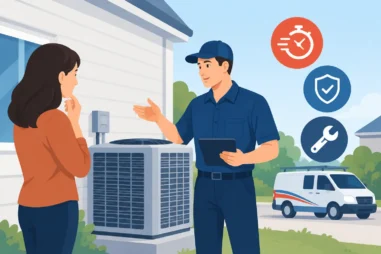
A qualified technician does more than listen for noise and recommend a replacement. Proper AC compressor diagnosis involves checking the full cooling system.
The process generally starts with a visual inspection of the outdoor unit, electrical connections, coils, refrigerant lines, and signs of oil residue that may indicate a leak. The technician will verify thermostat operation and make sure the system is receiving the proper voltage.
Electrical testing helps determine whether the compressor is being asked to start correctly. This can include checking capacitors, contactors, wiring, amp draw, and compressor windings. Refrigerant pressures and temperatures are then measured to identify restrictions, leaks, overcharging, undercharging, or poor heat transfer.
If a compressor has failed internally, the technician also needs to assess system contamination. Burned windings can leave acid and debris in refrigerant lines. In those cases, simply installing a new compressor may not be enough. The system may require cleanup procedures, filter driers, and careful evacuation before it can operate reliably again.
This level of diagnosis protects you from paying for a compressor when the real problem is a repairable electrical part. It also prevents a new compressor from failing because the original cause was missed.
AC Compressor Repair or Replacement?
The best option depends on the condition of the entire system, not only the failed part. A repair may make sense when the compressor itself is healthy and the issue is related to a capacitor, contactor, wiring connection, refrigerant charge, or hard-start component.
When the compressor has internal mechanical or electrical failure, replacement becomes more complicated. Compressor replacement can be a significant repair because the technician must recover refrigerant, replace the component, prepare the system correctly, pressure-test it, evacuate moisture and air, recharge it accurately, and confirm proper operation.
For a newer air conditioner with a valid parts warranty, compressor replacement may be the practical choice. Labor, refrigerant, and related materials may still create out-of-pocket costs, but protecting a newer system can be worthwhile.
For an older system, replacement may offer better long-term value. If the unit is approaching the end of its expected service life, uses an outdated refrigerant, has repeated repair needs, or has poor efficiency, putting a major repair into it may not be the most cost-effective decision. A new properly sized system can improve comfort, reduce energy use, and provide warranty protection.
Property managers should also consider downtime. A repair that saves money upfront may be less attractive if it creates repeat service calls or risks cooling loss during a tenant-critical period. For offices, retail spaces, and multi-unit properties, equipment reliability is often as important as the immediate repair price.
What You Can Do Before the Technician Arrives
If you suspect a compressor problem, turn the system off if it is making loud mechanical noises, repeatedly tripping the breaker, or failing to start. Continuing to force operation can worsen damage.
Check that the thermostat is set to cool and that the filter is not heavily clogged. You can also make sure the outdoor unit has clear space around it and remove loose leaves or debris from the exterior. Do not open electrical panels, attempt to add refrigerant, or spray internal components with water while the unit is powered.
Make note of what you observed: when the issue began, whether the unit makes noise, whether the breaker trips, and whether the system cools at all. Those details help speed up the diagnostic visit.
Preventing Future Compressor Damage
Regular maintenance is the most practical way to reduce compressor stress. Seasonal service allows a technician to clean coils, check electrical components, confirm refrigerant performance, inspect drainage, and identify worn parts before a heat wave exposes the problem.
Homeowners should replace or clean filters on schedule and keep the outdoor condenser clear of vegetation and debris. Commercial building operators should maintain a documented service plan, especially for rooftop units and multi-zone equipment where a small issue can affect a larger occupied space.
If your air conditioner is warm, noisy, or tripping its breaker, schedule professional service before the system reaches a complete shutdown. Tamco Air provides dependable diagnostics and repair support for New Jersey homes and commercial properties, with experienced technicians ready to help you make a clear, informed decision about your cooling system.