


 05 Aug 2026
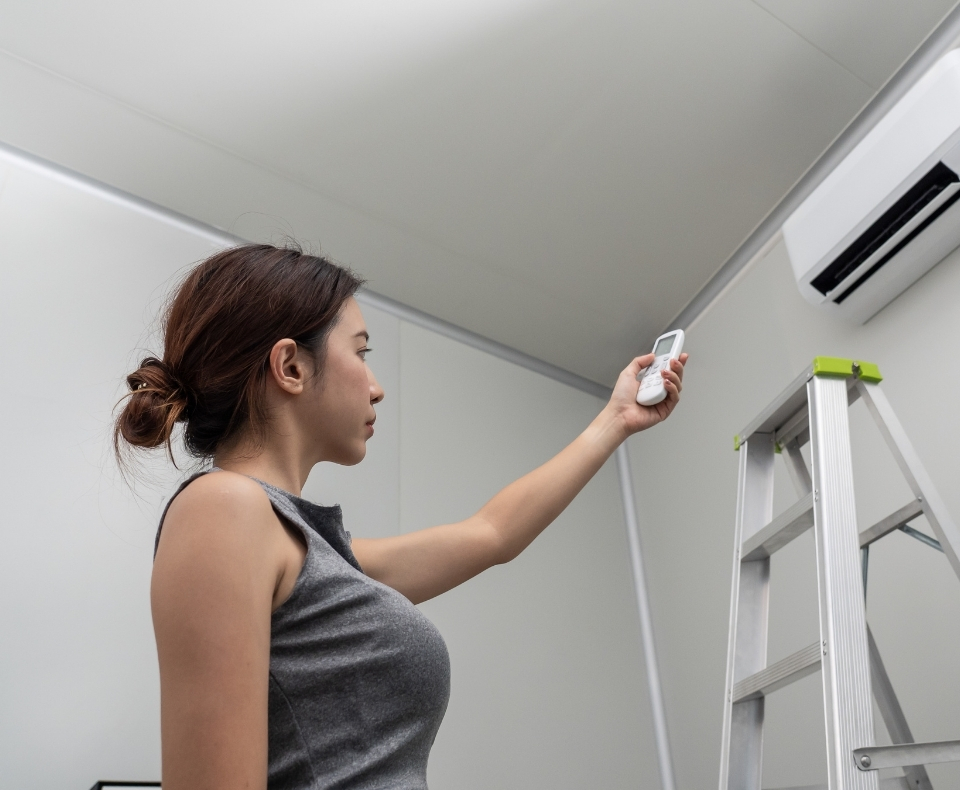
If your AC is not blowing cold air, the system may have an airflow problem, dirty coils, low refrigerant, a failing electrical component, thermostat issue, or compressor problem. In some cases, the fix is simple, such as replacing a dirty air filter. In others, the system needs professional AC repair before the problem damages expensive components.
An air conditioner should blow cool, steady air when it is running in cooling mode. If the air feels warm, weak, or only slightly cool, the system is not removing heat properly. The faster you identify the cause, the easier it is to avoid higher energy bills, poor comfort, and a full cooling breakdown.
1. Dirty Air Filter
A dirty air filter is one of the most common reasons an AC stops blowing cold air. When the filter is clogged with dust, pet hair, pollen, or debris, airflow through the system drops. Without enough air moving across the evaporator coil, the AC cannot absorb heat efficiently.
A clogged filter can cause:
- Weak airflow from vents
- Warm or mildly cool air
- Longer cooling cycles
- Frozen evaporator coil
- Higher energy bills
- Uneven room temperatures
Start by checking the filter. If it looks dirty or packed with dust, replace it. During heavy summer use, filters often need to be checked every 30 to 60 days.
2. Thermostat Is Set Incorrectly
Sometimes the AC is not the problem. The thermostat may be set incorrectly or may not be communicating with the system properly.
Check that:
- The thermostat is set to “cool”
- The temperature is set below the current room temperature
- The fan is set to “auto,” not “on”
- The batteries are working
- The thermostat is not in direct sunlight
- The thermostat is not near a supply vent, kitchen, or heat-producing appliance
If the fan is set to “on,” it may blow room-temperature air between cooling cycles. That can make it feel like the AC is not blowing cold air, even if the cooling cycle itself works.
3. Dirty Evaporator or Condenser Coils
Dirty coils reduce the AC’s ability to transfer heat. The evaporator coil absorbs heat from indoor air. The condenser coil releases that heat outside. If either coil is dirty, the system may run but fail to cool properly.
Dirty coils can lead to:
- Warm air from vents
- Long runtimes
- Poor humidity control
- Ice on the indoor coil
- Outdoor unit overheating
- Higher electricity use
- Compressor strain
This is especially common when maintenance has been skipped before summer. If your AC is running but not cooling, professional air conditioning repair can help determine whether dirty coils, airflow restriction, or another internal issue is causing the loss of cooling.
4. Low Refrigerant or Refrigerant Leak
Low refrigerant is a major reason an air conditioner does not blow cold air. Refrigerant absorbs heat from indoor air and moves it outside. If the system does not have enough refrigerant, cooling performance drops quickly.
Refrigerant does not get “used up” during normal operation. If the level is low, there is usually a leak.
Signs of low refrigerant include:
- Warm air from vents
- Ice on refrigerant lines
- Hissing or bubbling sounds
- Long cooling cycles
- Poor humidity removal
- AC cannot reach the thermostat setting
- Higher energy bills
Adding refrigerant without repairing the leak is not a real fix. A technician should locate the leak, repair it when possible, and recharge the system to manufacturer specifications.
5. Frozen Evaporator Coil
A frozen evaporator coil can stop your AC from blowing cold air. This may sound strange, but ice blocks airflow and prevents the coil from absorbing heat properly.
Common causes include:
- Dirty air filter
- Dirty evaporator coil
- Low refrigerant
- Weak blower motor
- Blocked return grille
- Closed or covered vents
- Duct restrictions
If you see ice on refrigerant lines or the indoor coil, turn the AC off and let it thaw. Do not keep running the system while frozen. Running a frozen AC can damage the compressor.
After the system thaws, replace the filter and make sure vents are open. If freezing returns, call a technician.
6. Outdoor Unit Is Not Working Properly
The outdoor unit plays a critical role in cooling. It releases heat from inside your home. If the condenser fan, coil, capacitor, or compressor is not working correctly, the indoor system may blow warm air.
Common outdoor unit problems include:
- Fan not spinning
- Dirty condenser coil
- Weak capacitor
- Debris blocking airflow
- Compressor not starting
- Electrical failure
- Bent coil fins
- Unit overheating
Check whether the outdoor fan is running when the AC is on. Also make sure leaves, weeds, grass clippings, and debris are cleared away from the unit. If the fan is not spinning or the unit only hums, turn the system off and schedule service.
7. Weak Capacitor or Electrical Failure
Capacitors help start and run the compressor and fan motors. During hot weather, capacitors are under heavy stress. If one fails, the outdoor unit may not start properly, which can lead to warm air from the vents.
Signs of capacitor or electrical problems include:
- Outdoor unit hums but does not start
- Fan does not spin
- AC clicks repeatedly
- Breaker trips
- Burning smell
- System shuts off suddenly
- Warm air from vents
Electrical problems should not be handled as DIY repairs. Capacitors can hold charge even when the power is off. A technician should test and replace failed electrical components safely.
8. Compressor Problems
The compressor is one of the most important parts of the AC system. It moves refrigerant through the cooling cycle. If the compressor is failing, the system may run but not produce cold air.
Compressor issues may show up as:
- Warm air from vents
- Loud outdoor unit operation
- Hard starting
- Breaker trips
- Outdoor unit shutting down
- Poor cooling during hot weather
- High energy bills
Compressor problems can be caused by age, dirty coils, electrical failure, low refrigerant, overheating, or poor maintenance. Because compressor repairs can be expensive, the system should be diagnosed carefully before deciding between repair and replacement.
9. Leaky or Damaged Ductwork
If the AC is cooling air but the ductwork is leaking, cold air may escape before it reaches the rooms. This is common when ducts run through attics, crawl spaces, garages, or other unconditioned areas.
Duct problems can cause:
- Weak airflow
- Warm rooms
- Uneven cooling
- High energy bills
- Dusty indoor air
- Long cooling cycles
If only some rooms are not cooling, duct leakage or poor duct design may be the reason. Replacing the AC unit will not fully solve the problem if the air distribution system is failing.
10. AC System Is Too Old or Undersized
An older or undersized AC may run constantly and still fail to blow enough cold air during peak summer. As equipment ages, efficiency drops, parts weaken, and cooling performance becomes less reliable.
Warning signs include:
- Frequent repairs
- Rising utility bills
- Weak cooling
- System age over 10–15 years
- Loud operation
- Poor humidity control
- AC cannot keep up on hot days
If the system is old and major components are failing, replacement may be more practical than repeated repairs. But before replacing equipment, the system should be inspected to confirm the real cause.
What You Can Check Before Calling for AC Repair
Before scheduling service, homeowners can safely check a few simple items:
- Replace a dirty air filter
- Confirm thermostat settings
- Make sure vents and returns are open
- Clear debris around the outdoor unit
- Check whether the outdoor fan is spinning
- Look for ice on refrigerant lines
- Check for water near the indoor unit
- Listen for buzzing, clicking, or grinding sounds
If these checks do not restore cold air, the issue is likely mechanical, electrical, refrigerant-related, or coil-related.
For homes and businesses, TAMCO provides air conditioning repair to diagnose cooling problems, restore performance, and prevent minor AC issues from becoming major breakdowns. For business properties, commercial AC repair can help address cooling failures in offices, retail spaces, warehouses, and other commercial buildings.
When to Call a Professional
Call a professional if the AC keeps blowing warm air after basic checks. You should also schedule service immediately if you notice ice, hissing sounds, electrical smells, repeated breaker trips, water leaks, or an outdoor unit that will not start.
Professional diagnosis is important because several AC problems look similar from the outside. Warm air can be caused by dirty coils, low refrigerant, frozen coils, electrical failure, compressor trouble, or airflow restriction. A technician can test the system properly and identify the actual cause.
Final Thoughts
When your AC is not blowing cold air, the most common causes are dirty filters, dirty coils, low refrigerant, frozen coils, outdoor unit problems, weak capacitors, compressor issues, duct leaks, or an aging system. Some problems are easy to check. Others require professional repair.
Start with the filter, thermostat, vents, and outdoor unit clearance. If the system still does not cool, do not keep forcing it to run. Running an AC with low refrigerant, ice buildup, electrical problems, or compressor stress can make repairs more expensive.
A properly working air conditioner should deliver steady, cold air and maintain indoor comfort without constant strain. If it does not, the system needs diagnosis before the issue turns into a full breakdown.