


 30 Apr 2026
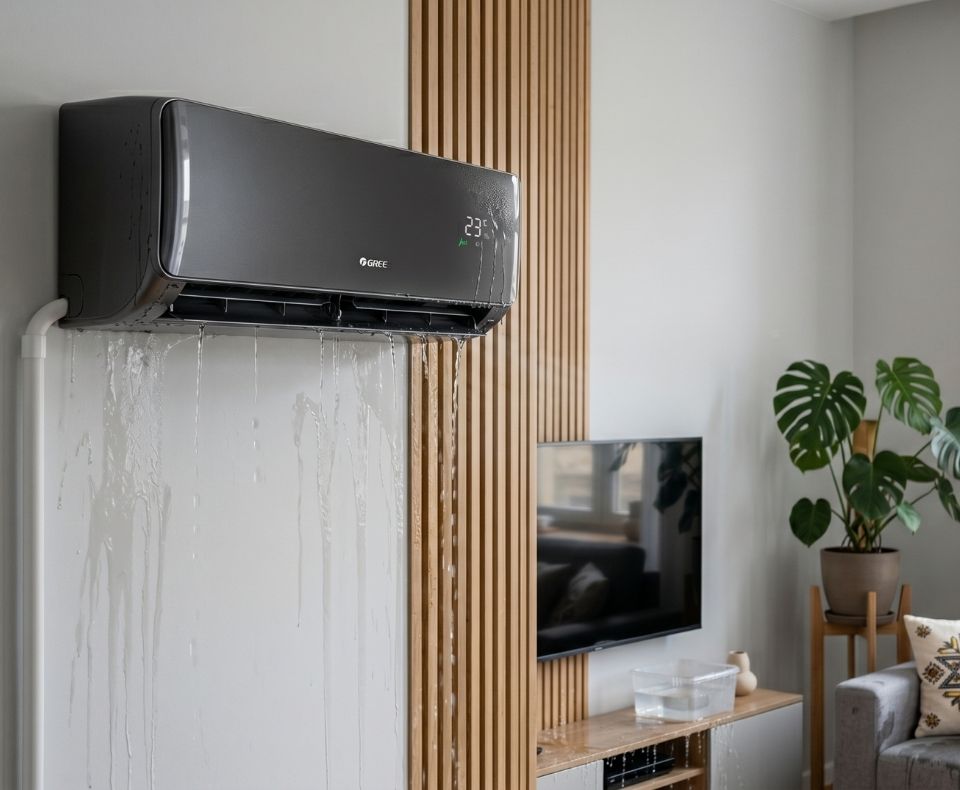
If you notice water pooling around your air conditioner, it’s a sign that something isn’t working properly. While a small amount of condensation is normal, visible leaks are not. Ignoring the issue can lead to water damage, mold growth, and reduced system performance.
In most cases, an air conditioner leaks water due to a clogged drain line, frozen coils, or improper installation. The good news is that many of these problems can be identified early and fixed before they become serious.
As HVAC technician Brian Collins explains, “Water leaks are often one of the first visible warning signs that your system needs maintenance. Addressing them early prevents much bigger problems later.”
How Water Forms in an Air Conditioner
Before understanding leaks, it’s important to know why water exists in your AC system at all. When warm air passes over the cold evaporator coil, moisture from the air condenses into water. This is a normal part of the cooling process.
That water is supposed to:
- Collect in a drain pan
- Flow through the condensate drain line
- Exit safely outside your home
When any part of this process is disrupted, water can back up and start leaking.
Most Common Causes of AC Water Leaks
Several issues can cause your air conditioner to leak water. Identifying the cause is the first step toward fixing the problem.
1. Clogged Condensate Drain Line
This is the most common reason for water leaks. Over time, dirt, algae, and debris build up inside the drain line, blocking the flow of water.
When the line is clogged:
- Water backs up into the drain pan
- The pan overflows
- Moisture leaks around the indoor unit
Regular maintenance helps prevent these blockages.
2. Dirty or Clogged Air Filter
A dirty air filter restricts airflow, which can cause the evaporator coil to get too cold and freeze. When the ice melts, excess water overwhelms the drain system.
Signs include:
- Ice on the coils
- Weak airflow
- Sudden water leaks after the system runs
Replacing filters regularly is one of the easiest ways to avoid this issue.
3. Frozen Evaporator Coil
Frozen coils are often caused by restricted airflow or low refrigerant levels. When the ice eventually melts, it produces more water than the system can handle.
Common causes of frozen coils:
- Dirty filters
- Blocked vents
- Low refrigerant
- Poor airflow
If you notice ice buildup, turn off the system and let it thaw before calling a technician.
4. Damaged or Rusted Drain Pan
Over time, the drain pan can crack or rust, especially in older systems. When this happens, water leaks directly instead of flowing through the drain line.
This is more common in systems over 10 years old and usually requires replacement.
5. Improper Installation
If your air conditioner was not installed correctly, the drain line may not be positioned at the proper angle. This prevents water from flowing out efficiently.
Improper installation can lead to:
- Slow drainage
- Standing water
- Repeated leaks
Correcting alignment typically requires professional adjustment.
6. Low Refrigerant Levels
Low refrigerant reduces pressure in the system, which can cause coils to freeze. When they thaw, excess water can overflow the drain system.
This issue usually comes with other symptoms:
- Reduced cooling performance
- Hissing sounds
- Longer cooling cycles
Refrigerant issues should always be handled by professionals.
Signs Your AC Leak Is Getting Worse
Not all leaks are obvious at first. Watch for these warning signs that indicate a growing problem:
- Water stains near the indoor unit
- Musty or moldy smells
- Increased humidity indoors
- AC shutting off unexpectedly
- Visible rust or corrosion
Catching these early can prevent damage to walls, ceilings, and flooring.
Quick Fixes You Can Try
Some minor issues can be addressed safely by homeowners.
You can try:
- Replacing a dirty air filter
- Clearing debris around the outdoor unit
- Checking that vents are not blocked
- Turning off the system to allow frozen coils to thaw
However, deeper issues like refrigerant problems or internal blockages require professional attention.
When to Call a Professional
If the leak persists or you’re unsure of the cause, it’s best to call an HVAC technician. Water issues often indicate underlying problems that need proper diagnosis.
Professional service typically includes:
- Drain line cleaning
- Coil inspection and cleaning
- Refrigerant level check
- System pressure testing
- Full performance evaluation
Timely service prevents further damage and restores proper operation.
How to Prevent Future Water Leaks
Preventive maintenance is the best way to avoid recurring leaks.
Follow these simple steps:
- Replace air filters every 1–3 months
- Schedule annual HVAC inspections
- Keep vents and ducts clear
- Clean the drain line periodically
- Monitor system performance regularly
Consistent care keeps your system running efficiently and reduces the risk of unexpected issues.
Why Water Leaks Should Never Be Ignored
Even small leaks can lead to serious problems if left untreated. Over time, moisture can damage building materials, promote mold growth, and affect indoor air quality.
In addition, water leaks often signal deeper HVAC issues that may impact efficiency and system lifespan. Addressing the problem early saves both time and money.
FAQ
- Is it normal for an AC to produce water?
Yes. Condensation is normal, but water should drain properly and not leak. - Why is my AC leaking water inside my house?
Most commonly due to a clogged drain line, frozen coil, or damaged drain pan. - Can I still use my AC if it’s leaking?
It’s not recommended. Continued use can cause further damage. - How much does it cost to fix an AC water leak?
Costs vary depending on the cause, but simple fixes like drain cleaning are relatively affordable. - How do I prevent AC leaks in the future?
Regular maintenance, filter replacement, and system inspections are the most effective prevention methods.