


 13 May 2026
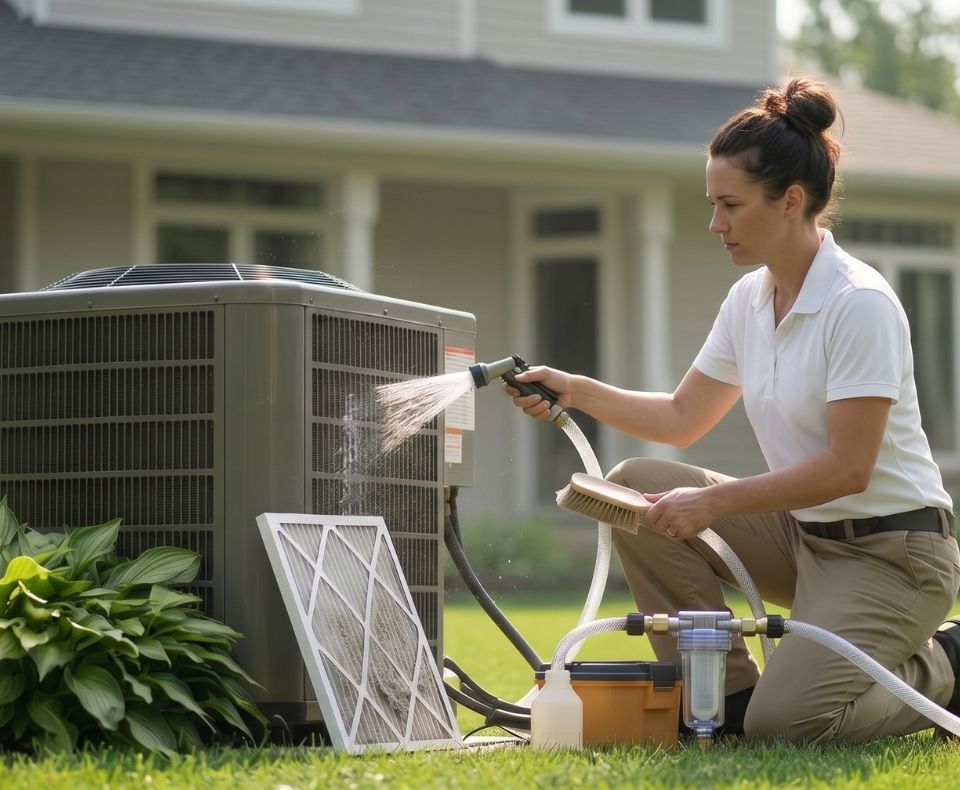
Preparing your HVAC system for summer means checking, cleaning, and servicing the parts that will work the hardest during hot weather. Before temperatures rise, your air conditioner should have clean filters, clear airflow, working electrical components, clean coils, proper refrigerant levels, and a thermostat that responds accurately. A well-prepared system cools more efficiently, runs more reliably, and helps prevent unexpected breakdowns during peak heat.
Summer places heavy demand on HVAC equipment. Your system may run for many hours each day, especially during heat waves. If small problems already exist, such as restricted airflow, dirty coils, worn electrical parts, or clogged drain lines, those problems can quickly turn into poor cooling, high energy bills, or complete system failure.
HVAC professionals often say, “Most summer breakdowns do not begin on the hottest day of the year. They begin earlier, when maintenance is skipped.” Preparing early gives you time to fix issues before your system is under maximum strain.
Why Summer HVAC Preparation Matters
Summer HVAC preparation matters because cooling systems perform best when airflow, heat transfer, drainage, and electrical operation are all in good condition. Even if your air conditioner worked last season, that does not guarantee it is ready for another summer.
During normal operation, your HVAC system collects dust, moves moisture, experiences vibration, and depends on multiple mechanical and electrical parts. Filters become dirty. Coils collect debris. Drain lines can clog. Motors and capacitors can weaken. If these issues are not addressed, the system may lose efficiency or fail when you need it most.
Preparing your HVAC system can help:
- Improve cooling performance
- Reduce energy waste
- Lower the risk of summer breakdowns
- Improve airflow throughout the home
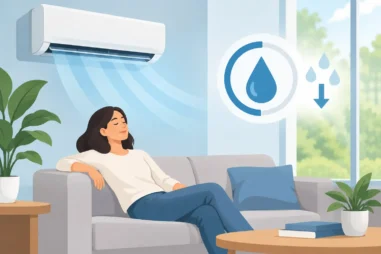
- Support better humidity control
- Extend equipment lifespan
- Prevent water leaks from clogged drains
- Reduce strain on motors and compressors
- Keep indoor temperatures more consistent
The goal is simple: make sure your system can handle summer demand before the hottest weather arrives.
Replace or Clean the Air Filter
The air filter is one of the first things to check before summer. A dirty filter restricts airflow, which makes your HVAC system work harder to move air through the home. Restricted airflow can reduce comfort, increase energy use, and place extra strain on the blower motor and evaporator coil.
A clogged filter can cause:
- Weak airflow from vents
- Longer cooling cycles
- Higher energy bills
- Poor indoor air quality
- Frozen evaporator coils
- Uneven room temperatures
- More dust inside the home
Most homeowners should check the filter every 30 to 60 days during cooling season. Homes with pets, dust, allergies, or heavy AC use may need more frequent replacement.
When replacing the filter, make sure it is the correct size and installed in the right direction. The airflow arrow on the filter should point toward the HVAC equipment, not toward the return grille.
Check Thermostat Settings
Your thermostat controls when the HVAC system starts and stops, so it should be checked before summer begins. A thermostat that is inaccurate, poorly placed, or incorrectly programmed can cause comfort issues and energy waste.
Start by setting the thermostat to cooling mode and lowering the temperature a few degrees. The air conditioner should turn on, and cool air should begin flowing from the vents. If the system does not respond, there may be a thermostat, electrical, or equipment issue.
Useful thermostat preparation steps include:
- Replace thermostat batteries if needed
- Confirm cooling mode works
- Check that the temperature reading seems accurate
- Review programmed schedules
- Set energy-saving temperatures while away
- Make sure the thermostat is not near heat sources
- Consider upgrading to a smart thermostat
A smart thermostat can help reduce energy use by adjusting cooling based on schedule, occupancy, and temperature preferences. However, even the best thermostat cannot compensate for dirty equipment, poor airflow, or incorrect system sizing.
Inspect Air Vents and Returns
Air vents and return grilles should be open, clean, and unobstructed before summer. Your HVAC system depends on balanced airflow. If furniture, curtains, rugs, or storage boxes block vents, the system may struggle to cool rooms properly.
Walk through the home and check each supply vent and return grille. Make sure air can move freely. Vacuum dust from grilles and registers. If some rooms always feel warmer than others, airflow imbalance may be part of the problem.
Common airflow issues include:
- Blocked supply vents
- Dirty return grilles
- Closed registers
- Furniture covering vents
- Leaky ductwork
- Undersized ducts
- Poor return air design
- Crushed flexible duct runs
Many homeowners close vents in unused rooms to save energy, but this can create pressure imbalance and reduce system efficiency. In most homes, vents should remain open unless an HVAC professional has designed the system for zoning.
Clean Around the Outdoor Unit
The outdoor condenser unit needs open space around it to release heat. If leaves, grass, weeds, dirt, or debris block the unit, the system cannot reject heat efficiently. This can cause longer runtimes, higher energy use, and extra strain on the compressor.
Before summer, inspect the outdoor unit and clear the area around it. Remove leaves, branches, weeds, and anything stored too close to the equipment.
A good rule is to keep at least 2 feet of clearance around the sides of the unit and enough open space above it for proper airflow.
You should also check for:
- Bent condenser fins
- Grass clippings on the coil
- Debris inside the cabinet
- Loose panels
- Unusual rust or corrosion
- Signs of pest activity
- Uneven equipment base
Do not use high-pressure washing on the condenser coil because it can damage the fins. A professional HVAC technician can clean the coil safely and check whether the outdoor unit is operating correctly.
Check the Condensate Drain Line
Your air conditioner removes moisture from indoor air. That moisture drains through the condensate drain line. If the line becomes clogged, water can back up into the drain pan, trigger a safety switch, damage nearby materials, or create musty odors.
A clogged condensate drain can cause:
- Water around the indoor unit
- Musty smells
- AC shutdown
- Ceiling or wall stains
- Mold growth near the air handler
- High indoor humidity
- Drain pan overflow
Before summer, inspect the area around the indoor unit. Look for water stains, standing water, algae buildup, or signs of past leakage. If the drain line has not been cleaned recently, it should be checked during maintenance.
Because summer humidity increases condensate production, a weak or clogged drain line can become a problem quickly.
Schedule Professional HVAC Maintenance
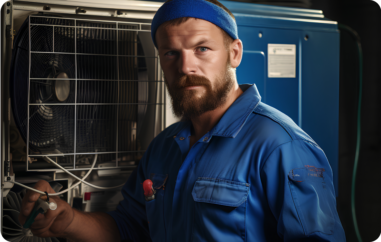
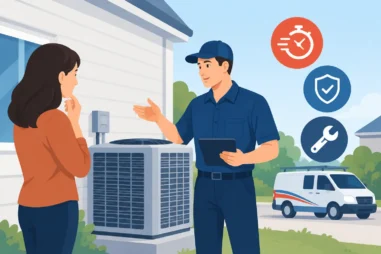
Professional HVAC maintenance is one of the most important steps before summer. A technician can inspect components that homeowners cannot safely or accurately evaluate. This includes refrigerant levels, electrical connections, coils, motors, capacitors, drain performance, and overall system operation.
A summer tune-up usually includes:
- Checking refrigerant charge
- Inspecting electrical connections
- Testing capacitors and contactors
- Cleaning or inspecting coils
- Checking blower components
- Testing thermostat operation
- Inspecting the condensate drain
- Checking system pressures
- Measuring temperature split
- Looking for unusual noise or vibration
- Confirming safe operation
Maintenance helps identify weak parts before they fail. For example, a capacitor may still allow the system to run but be close to failure. Replacing it before peak summer can prevent a no-cooling emergency.
Regular service also helps your system maintain efficiency. A neglected air conditioner may still run, but it can use more energy and deliver less cooling.
Look for Signs Your System Is Struggling
Before summer heat becomes intense, pay attention to warning signs. Your HVAC system often gives clues before a major breakdown. If you catch them early, repairs may be simpler and less expensive.
Signs your system may need service include:
- Weak airflow
- Warm air from vents
- Short cycling
- Long cooling cycles
- Unusual noises
- Musty or burning smells
- Water near the indoor unit
- Higher energy bills
- Uneven room temperatures
- Thermostat not reaching the set temperature
- Ice on refrigerant lines
- Outdoor unit not running properly
Do not ignore these symptoms. A system that struggles in mild weather will likely perform worse during extreme heat.
Improve Indoor Airflow
Good airflow is essential for summer comfort. Your HVAC system must move enough air across the evaporator coil and through the duct system. If airflow is restricted, the system may cool poorly, run longer, and experience unnecessary strain.
To improve airflow:
- Replace dirty filters
- Keep vents open
- Move furniture away from registers
- Clean return grilles
- Keep interior doors open when practical
- Have ductwork inspected if rooms feel uneven
- Schedule blower and coil inspection
- Avoid blocking the indoor unit
Airflow problems can sometimes be mistaken for low refrigerant or undersized equipment. That is why a complete HVAC inspection should include both mechanical performance and air distribution.
Check for Uneven Cooling
Uneven cooling is a common summer complaint. One room may feel comfortable while another stays warm. Upstairs areas often heat up faster than downstairs areas, especially in homes with poor attic insulation or limited return airflow.
Common causes of uneven cooling include:
- Poor duct design
- Leaky ducts
- Blocked vents
- Dirty filters
- Weak blower motor
- Inadequate insulation
- Large sun-facing windows
- Improper system size
- Poor thermostat location
If uneven cooling happens every summer, the issue may not be the AC unit alone. The home may need duct balancing, insulation improvements, air sealing, zoning, or equipment evaluation.
For homes being built or significantly renovated, HVAC planning should happen early. Proper design during construction helps prevent comfort problems later. TAMCO provides HVAC for new construction to help match system design with the structure, layout, and cooling needs of the property.
Seal Air Leaks and Improve Insulation
Your HVAC system works harder when cooled air escapes and outdoor heat enters the home. Air leaks around doors, windows, attic openings, recessed lights, and ductwork can increase cooling demand.
Insulation also plays a major role in summer comfort. A poorly insulated attic can transfer heat into the living space for hours, even after outdoor temperatures begin to drop.
Helpful improvements include:
- Weatherstripping doors
- Sealing gaps around windows
- Insulating attic access points
- Checking attic insulation levels
- Sealing duct leaks
- Using window coverings during peak sun
- Closing blinds on west-facing windows
- Adding shade where possible
These upgrades reduce heat gain and help your HVAC system maintain comfort more efficiently. In some homes, improving insulation and sealing leaks can make a noticeable difference without replacing equipment.
Prepare Commercial HVAC Systems for Summer
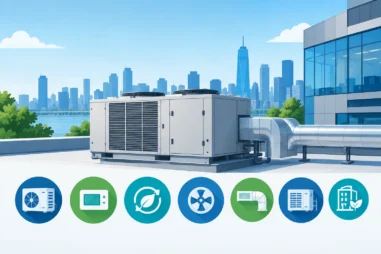
Commercial HVAC systems need summer preparation just as much as residential systems, often more. Businesses depend on reliable cooling for employee comfort, customer experience, equipment protection, and daily operations.
A commercial HVAC system may serve larger spaces, multiple zones, rooftop units, offices, retail areas, warehouses, or specialized rooms. Because the demand is higher and downtime can affect business operations, early preparation is important.
Commercial summer HVAC preparation may include:
- Rooftop unit inspection
- Belt and motor checks
- Coil cleaning
- Electrical testing
- Thermostat and control calibration
- Filter replacement
- Drain line cleaning
- Air balancing
- Refrigerant checks
- Economizer inspection
- Ventilation review
- Preventive maintenance scheduling
For business owners planning upgrades or replacements, professional commercial HVAC installation can help ensure the system is properly selected, installed, and configured for summer cooling demand.
Do Not Wait Until the First Heat Wave
The worst time to discover an HVAC problem is during the first major heat wave. During peak summer, HVAC companies are usually busier, parts may take longer to source, and your system is already under stress.
Preparing early gives you several advantages:
- More flexible scheduling
- Time to repair small issues
- Lower risk of emergency breakdowns
- Better energy efficiency from the start of summer
- More consistent comfort
- Fewer surprises during extreme heat
Even if your system seems to be working, preventive maintenance is still worthwhile. Many HVAC problems are not obvious until a technician tests the system under operating conditions.
When to Consider HVAC Replacement Before Summer
Sometimes preparation reveals that the system is near the end of its useful life. If your air conditioner is old, inefficient, unreliable, or expensive to repair, replacement before summer may be more practical than another temporary fix.
You may want to consider replacement if:
- The system is more than 10–15 years old
- Repairs are becoming frequent
- Energy bills keep rising
- Cooling performance is declining
- The system uses outdated refrigerant
- Major components are failing
- Rooms never cool evenly
- The system is too loud
- Humidity control is poor
- Repair costs are close to replacement value
A replacement decision should consider age, repair history, efficiency, comfort, and long-term operating costs. Installing a new system before peak summer can help avoid emergency replacement during hot weather.
Summer HVAC Checklist for Homeowners
Use this checklist before the cooling season begins:
- Replace or clean the air filter
- Test the thermostat in cooling mode
- Clear debris around the outdoor unit
- Clean supply vents and return grilles
- Make sure vents are open and unblocked
- Check for water near the indoor unit
- Listen for unusual noises
- Watch for short cycling
- Check for weak airflow
- Look for musty or burning smells
- Schedule professional maintenance
- Ask about coil, drain, refrigerant, and electrical checks
- Review insulation and air sealing
- Monitor energy bills for unusual increases
This checklist does not replace professional service, but it helps you catch obvious issues early.
Final Thoughts
Preparing your HVAC system for summer is about more than turning on the thermostat. It involves airflow, filtration, coil condition, drainage, electrical safety, refrigerant performance, and overall system efficiency. A clean, well-maintained system is more likely to cool consistently, control humidity, and avoid breakdowns during the hottest months.
Start with simple homeowner tasks: replace the filter, clear vents, inspect the outdoor unit, and test the thermostat. Then schedule professional maintenance to check the parts you cannot evaluate safely on your own.
The best time to prepare is before summer heat arrives. A little attention early in the season can protect your comfort, reduce energy waste, and help your HVAC system perform when you need it most.
FAQ
When should I prepare my HVAC system for summer?
You should prepare your HVAC system in spring, before temperatures become consistently hot. This gives you time to schedule maintenance and fix problems before peak cooling season.
How often should I replace my air filter in summer?
Most filters should be checked every 30 to 60 days during summer. Homes with pets, allergies, dust, or heavy AC use may need more frequent replacement.
Should I clean around my outdoor AC unit?
Yes. Clear leaves, grass, weeds, and debris from around the outdoor unit. Good airflow helps the system release heat efficiently.
Why is my AC airflow weak?
Weak airflow may be caused by a dirty filter, blocked vents, duct leaks, blower problems, dirty coils, or restricted return air. If replacing the filter does not help, schedule service.
Is HVAC maintenance really necessary before summer?
Yes. Professional maintenance can identify refrigerant, electrical, drainage, airflow, and coil issues before they cause breakdowns during hot weather.
What temperature should I set my thermostat in summer?
Many homeowners use a moderate setting around 76–78°F when home and higher when away. The best setting depends on comfort preferences, humidity, insulation, and energy goals.
Why does my AC run constantly in summer?
Your AC may run constantly because of high outdoor temperatures, dirty filters, low refrigerant, poor insulation, dirty coils, duct leaks, or incorrect system size.
Can insulation help my HVAC system in summer?
Yes. Good insulation reduces heat gain, helping your HVAC system cool more efficiently and maintain steadier indoor temperatures.
Should commercial HVAC systems be serviced before summer?
Yes. Commercial systems should be inspected before peak cooling season to reduce downtime, improve efficiency, and protect business operations.
When should I replace my HVAC system?
Consider replacement if the system is old, inefficient, unreliable, expensive to repair, or unable to cool the space properly even after maintenance.