


 23 Jul 2026

A high energy bill rarely comes from one dramatic HVAC failure. More often, it comes from a system that runs a little too long every day: a clogged filter, leaky ductwork, an outdated thermostat setting, or equipment that no longer fits the building’s needs. Learning how to reduce HVAC energy bills starts with finding those small losses before they become expensive habits.
For New Jersey homeowners and property managers, the challenge is year-round. Summer humidity can make an air conditioner work harder than the thermostat suggests, while winter cold exposes drafty rooms, aging furnaces, and weak insulation. The right solution depends on the condition of your equipment, the layout of the property, and how the space is used.
Start With HVAC Maintenance That Prevents Waste
A heating and cooling system cannot operate efficiently when airflow is restricted. A dirty air filter is one of the simplest and most common causes of unnecessary energy use. Check filters monthly during heavy-use seasons and replace them according to the filter type, household conditions, and manufacturer guidance. Homes with pets, construction dust, or allergy concerns may need more frequent changes.
Outdoor AC condensers also need room to breathe. Leaves, grass clippings, and shrubs around the unit can limit airflow and force the system to run longer. Keep the area clear and avoid stacking items near the equipment. Inside, make sure supply vents and return grilles are open and not blocked by furniture, rugs, or storage.
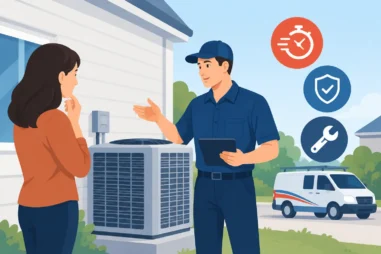
Professional seasonal maintenance takes the process further. A qualified technician can inspect electrical connections, clean coils, verify refrigerant performance, check combustion components, evaluate drainage, and identify worn parts before they create a breakdown. Maintenance does not make every older unit efficient, but it helps a properly sized system deliver the efficiency it was designed to provide.
How to Reduce HVAC Energy Bills With Better Thermostat Use
The thermostat controls comfort, but it also sets the pace for your utility costs. In cooling season, setting the temperature extremely low will not cool the home faster. It simply tells the system to run longer. In heating season, turning the thermostat up sharply after being away can have the same effect.
A programmable or smart thermostat can help maintain steadier, more efficient settings. For many households, modest temperature setbacks while sleeping or away from home can reduce runtime without making the house uncomfortable. The best schedule is not universal. A family that is home all day, an older home with slower temperature recovery, and a building with a heat pump may all need different programming.
Smart thermostats are especially useful when installed and configured correctly. They can help track runtime, build schedules around occupancy, and alert owners to unusual temperature changes. However, a thermostat cannot solve poor airflow, undersized ductwork, or failing equipment. If some rooms are always too hot or too cold, the issue may be with the system design rather than the setting on the wall.
Stop Conditioned Air From Escaping
Your HVAC equipment pays to heat and cool the entire home or building, including the air that slips through gaps in the envelope. Air leaks around attic penetrations, windows, exterior doors, recessed lighting, and utility openings can make rooms feel drafty and increase system runtime.
Weatherstripping and caulking are practical first steps, particularly around doors and windows. Insulation is equally important, especially in attics, crawl spaces, and other areas that separate conditioned rooms from outdoor temperatures. In New Jersey, inadequate attic insulation can contribute to summer heat gain and winter heat loss.
Duct leakage deserves the same attention. Leaky, disconnected, or poorly insulated ducts can send conditioned air into attics, basements, crawl spaces, and wall cavities instead of the rooms where it is needed. Uneven temperatures, excessive dust near vents, and high utility bills can all point to duct issues. A professional inspection can determine whether sealing, insulation, balancing, or duct modifications will offer a meaningful return.
Address Humidity Before Lowering the Thermostat
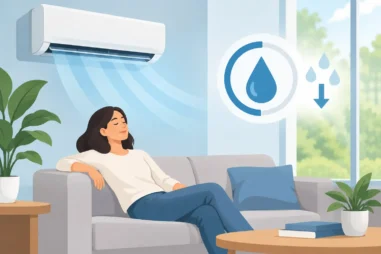
Comfort is not only about temperature. High indoor humidity can make a home feel warmer in summer, causing people to lower the thermostat and drive up cooling costs. An air conditioner removes moisture as it cools, but it may struggle when it is oversized, poorly maintained, incorrectly charged, or operating with airflow problems.
If your home feels cool but damp, or if there is condensation and a musty smell, ask for an HVAC and indoor air quality evaluation. Depending on the property, the solution could involve system adjustments, duct repairs, ventilation improvements, or a whole-home dehumidifier. Lower humidity can improve comfort at a reasonable thermostat setting and help protect furnishings, finishes, and indoor air quality.
Know When Repairs Are Enough and When Replacement Saves More
Repair is often the right choice for a newer system with an isolated issue. Replacing equipment simply because it needs a small repair is not always cost-effective. But repeated service calls, rising energy use, uneven comfort, loud operation, and declining reliability are signs that an older system may be costing more than it appears.
When replacement is on the table, efficiency ratings matter, but they are not the only consideration. A high-efficiency unit that is oversized, poorly installed, or connected to inadequate ductwork may not deliver the expected savings. Proper load calculations, equipment sizing, airflow planning, and installation quality are essential.
For homes with rooms that are difficult to heat or cool, ductless mini-splits may be a practical option. They can provide targeted comfort in additions, finished basements, garages, sunrooms, and rooms with persistent temperature problems. Multi-zone systems can also give households more control over which areas receive heating or cooling. The trade-off is the upfront investment and the need to select equipment that fits the space and usage pattern.
Reduce Energy Costs in Commercial Properties
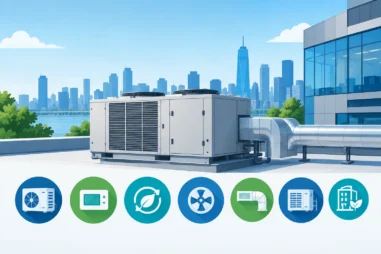
Commercial HVAC bills often rise because equipment serves spaces with changing occupancy, long operating hours, and competing comfort demands. An office, apartment common area, retail space, or warehouse may require different zoning and scheduling than it did when the system was originally installed.
Property managers should review thermostat schedules, after-hours operation, filter replacement records, and recurring comfort complaints. If equipment runs when the building is empty, or tenants consistently report hot and cold zones, there may be an opportunity to improve controls, zoning, balancing, or system design. Rooftop units and larger commercial systems also benefit from planned maintenance because an unexpected failure can create both energy waste and operational disruption.
Call for an Evaluation When the Bill Changes Suddenly
A gradual seasonal increase can be normal. A sudden jump in heating or cooling costs is different. It may signal a refrigerant issue, failing blower motor, dirty coil, duct problem, thermostat malfunction, or equipment that is running longer than it should.
Do not wait for a complete breakdown if your system is short-cycling, making new noises, producing weak airflow, or leaving parts of the property uncomfortable. A timely diagnostic visit can often prevent a more expensive repair and help restore efficient operation. Tamco Air provides practical HVAC evaluations for New Jersey homes and commercial properties, with recommendations based on the condition of the system and the needs of the space.
The most effective energy-saving step is the one that addresses the real cause of waste. Start with the basics, pay attention to changes in comfort and runtime, and have a qualified technician investigate problems before another season of high bills passes by.