


 10 May 2026
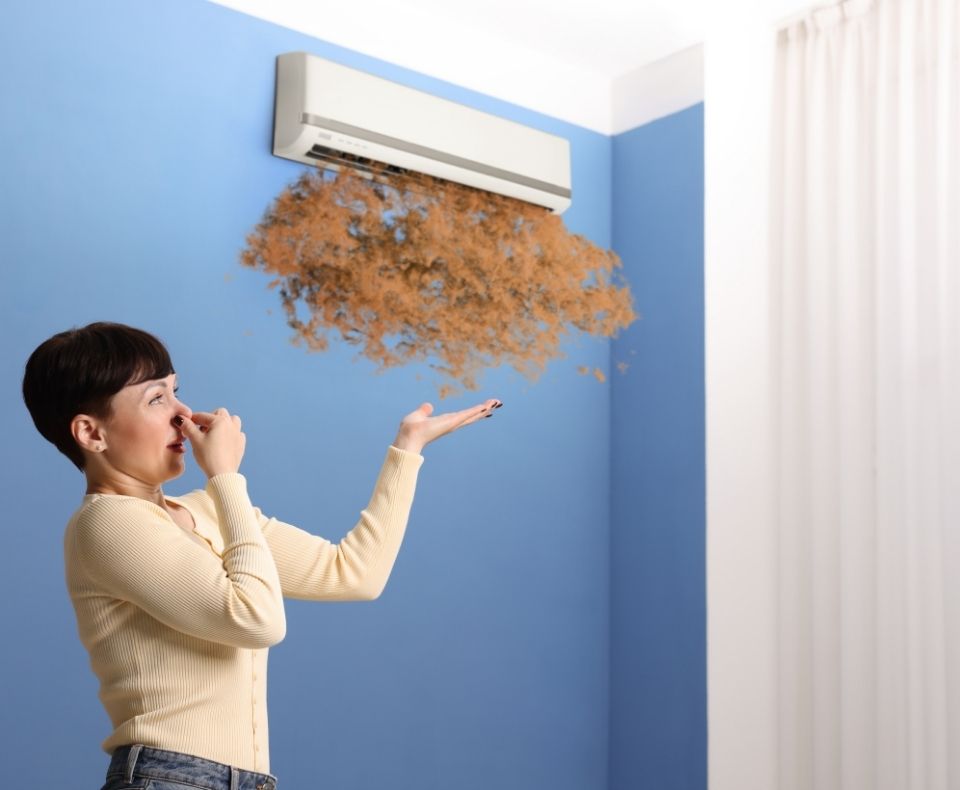
If your air conditioner smells bad, the odor is usually a warning sign that something inside the system needs attention. Some smells come from dust, moisture, clogged drains, or dirty coils. Others may point to electrical overheating, mold growth, refrigerant issues, or even a gas leak near the HVAC system. The type of odor matters because each smell can indicate a different problem.
A healthy air conditioner should not produce strong, unpleasant, or persistent odors. When the system turns on, the air should feel cool and clean. If you notice a musty, burning, rotten egg, chemical, or dirty-sock smell, it is important to identify the cause instead of masking the odor with air fresheners.
HVAC professionals often say, “Your nose can detect early system problems before the equipment fails.” In many cases, an unusual AC smell is one of the first signs that moisture, dirt, airflow restriction, or mechanical stress is affecting performance.
Why Your Air Conditioner Can Start Smelling Bad
An air conditioner can smell because it moves large amounts of air through coils, filters, ducts, drain lines, and indoor components. When dust, moisture, bacteria, or overheating parts are present, odors can spread quickly through the home.
Your AC does not create most odors by itself. It usually circulates odors that are already inside the system or inside the ductwork. Because air conditioning systems remove both heat and humidity, they naturally create condensation. If that moisture does not drain properly or if dirt builds up on coils, unpleasant smells can develop.
Common causes of AC odors include:
- Dirty evaporator coils
- Clogged air filters
- Mold or mildew inside the system
- Standing water in the drain pan
- Clogged condensate drain line
- Dust buildup in ducts
- Overheated electrical components
- Dead pests inside ductwork
- Refrigerant leaks
- Poor airflow
- Long periods of system inactivity
The odor may appear only when the AC first turns on, or it may continue while the system runs. A smell that disappears after a few minutes may be less serious than a smell that gets stronger, but both should be taken seriously if they return often.
Musty or Moldy Smell
A musty smell is one of the most common air conditioner odors. It usually means there is moisture somewhere inside the system, often combined with dust or biological growth. The smell may resemble a damp basement, wet towels, or old cardboard.
This odor often comes from:
- Moisture on the evaporator coil
- A clogged condensate drain
- Standing water in the drain pan
- Mold or mildew in ducts
- Dirty air filters
- Poor airflow through the system
The evaporator coil becomes cold during operation, and moisture from indoor air condenses on it. Under normal conditions, that moisture drains away. If the drain line is clogged or the coil is dirty, moisture can stay inside the system longer than it should. Dust and organic particles can then create the right conditions for mold or mildew odors.
A musty AC smell should not be ignored. Even if the system still cools, the odor may indicate poor drainage, dirty components, or indoor air quality concerns.
What you can do:
- Replace the air filter
- Check whether vents are blocked
- Make sure the outdoor unit has airflow
- Schedule professional coil and drain inspection
- Avoid running the system with a persistent moldy smell
Professional cleaning is often needed when the odor comes from the coil, drain pan, or internal air handler components. For deeper system cleaning and performance restoration, TAMCO offers Air Conditioning Installation & Replacement and Repair services that help address coil-related performance and air quality concerns.
Dirty Sock Smell
A dirty sock smell is a sour, stale, unpleasant odor that often appears when the AC first turns on. It may smell like wet laundry, gym socks, or stale water. This odor is commonly linked to bacteria and organic buildup on the evaporator coil.
The smell is often strongest after the system has been off for a while. When air starts moving across the coil again, the odor gets pushed into the home.
Common causes include:
- Dirty evaporator coil
- Moisture buildup
- Bacterial growth
- Poor drainage
- Infrequent maintenance
- Low airflow across the coil
This problem is sometimes called “dirty sock syndrome” in the HVAC industry. It is more common in systems where coils stay damp, airflow is weak, or maintenance has been delayed. Heat pumps can also experience this odor when switching between heating and cooling modes.
Replacing the filter may help slightly, but it usually does not solve the root cause. The coil and drainage area often need professional cleaning. If the smell returns repeatedly, the technician should also check airflow, refrigerant charge, and drain performance.
Burning Smell
A burning smell from your air conditioner should always be taken seriously. It may indicate overheating electrical components, a failing motor, damaged wiring, or dust burning off after a long period of inactivity.
There are two main types of burning smells:
- Light dusty smell when the system starts after months of not being used
- Strong electrical or plastic-like burning smell during operation
A mild dusty smell may happen briefly when the system starts for the first time in the season. Dust on components can warm up and create a temporary odor. This should fade quickly.
However, a strong burning smell is different. If the odor smells like melting plastic, hot wires, or electrical smoke, turn off the system and call an HVAC professional. Electrical issues can become safety hazards if ignored.
Possible causes include:
- Overheating blower motor
- Failing fan motor
- Damaged wiring
- Loose electrical connection
- Overheated capacitor
- Shorted control board
- Restricted airflow causing components to overwork
Do not continue running the AC if the burning smell is strong, persistent, or accompanied by unusual noises. Shut the system off at the thermostat and, if necessary, at the breaker.
Rotten Egg or Sulfur Smell
A rotten egg smell is not usually caused by the air conditioner itself. It may indicate a natural gas leak near the HVAC system or elsewhere in the home. Natural gas is treated with a sulfur-like odor so leaks can be detected quickly.
If you smell rotten eggs, take immediate action:
- Do not turn lights or appliances on or off
- Do not use matches or open flames
- Do not try to locate the leak yourself
- Leave the home
- Call your gas provider or emergency services from outside
Although an AC system does not use natural gas for cooling, many homes have gas furnaces connected to the same HVAC system. If the air conditioner blower circulates air through shared ducts, it may spread the smell throughout the home.
This is a safety issue, not a comfort issue. Treat sulfur or rotten egg odors as urgent until a professional confirms the home is safe.
Chemical or Sweet Smell
A chemical or sweet smell from your air conditioner may indicate refrigerant leakage, chemical contamination, or residue inside the system. Refrigerant leaks are not always easy to identify by smell alone, but a strange sweet or ether-like odor should be inspected.
Possible signs of a refrigerant issue include:
- Weak cooling
- Ice on refrigerant lines
- Hissing sounds
- Longer cooling cycles
- Higher energy bills
- Warm air from vents
- Chemical-like odor near the indoor or outdoor unit
Refrigerant is essential for heat transfer. If the system is low on refrigerant, it usually means there is a leak. Simply adding more refrigerant without repairing the leak is not a proper long-term solution.
A chemical smell can also come from nearby household products, cleaning chemicals, paint, solvents, or stored materials being pulled into the return air. If the smell appears after renovation, painting, or cleaning, check whether the system is circulating fumes from another area.
Because refrigerant handling requires certified service, this type of odor should be diagnosed by a professional.
Vinegar Smell
A vinegar-like smell from the AC can come from bacteria, mold, clogged drains, dirty filters, or even ozone-producing devices near the HVAC system. It may smell sharp, sour, or acidic.
Common causes include:
- Bacterial growth inside the air handler
- Excess moisture around the coil
- Dirty condensate drain
- Organic buildup on the evaporator coil
- Contaminated air filter
- Airborne pollutants entering the return air
A vinegar smell is usually not as urgent as a burning or gas-like odor, but it should not be ignored if it persists. The system may need cleaning, better drainage, or improved filtration.
Start by replacing the filter and checking whether the odor appears from all vents or only one area. If it comes from the entire system, the source is likely inside the HVAC equipment or ductwork. If it comes from one room, the cause may be local to that duct or space.
Sewage Smell
A sewage smell from vents can happen when sewer gases enter the duct system or the home’s air circulation path. This may be caused by plumbing issues rather than the air conditioner itself.
Possible causes include:
- Dry drain traps
- Cracked plumbing vent pipes
- Sewer gas entering crawl spaces
- Duct leaks near plumbing areas
- Contaminated condensate drain connection
- Poorly sealed floor drains
If the odor smells like sewage, check nearby bathrooms, laundry rooms, basement drains, and utility areas. Sometimes the HVAC system simply distributes the smell once it enters the air.
This issue may require both HVAC and plumbing inspection. If sewer gases are entering the home, the problem should be corrected quickly for comfort and safety.
Dusty Smell
A dusty smell when the AC turns on is often caused by dust buildup inside ducts, filters, vents, or system components. This is common after the system has not been used for a while.
A light dusty smell may disappear after a short period. But if the odor continues, it may mean the system needs maintenance.
Common causes include:
- Dirty air filter
- Dusty ductwork
- Dust buildup on vents
- Dirty blower compartment
- Construction dust
- Poor filtration
- Leaky return ducts pulling in attic or crawl space air
If the smell is strongest after renovation or remodeling work, fine dust may have entered the HVAC system. In that case, filter replacement alone may not be enough. The blower, coil, and ducts may need inspection.
To reduce dusty AC odors:
- Replace filters regularly
- Use the correct filter size
- Keep return vents clean
- Vacuum around registers
- Seal duct leaks
- Schedule routine HVAC maintenance
Dust may seem harmless, but buildup on coils and blower components can reduce airflow and efficiency.
Fishy Smell
A fishy smell can sometimes indicate overheating electrical parts. Electrical components, plastic insulation, and wiring can produce unusual odors when they become hot. Some people describe the smell as fishy, metallic, or like overheated plastic.
Possible causes include:
- Overheated electrical wiring
- Failing capacitor
- Damaged circuit board
- Loose electrical connection
- Overheated motor
- Melting plastic components
If the odor is strong or appears when the AC is running, turn off the system and call a professional. Electrical problems should not be ignored because they can damage the equipment or create a fire risk.
Do not assume the smell is coming from food, trash, or drains until the HVAC system has been ruled out, especially if the odor appears mainly when the air conditioner operates.
Dead Animal Smell
A strong decaying smell from vents may mean a small animal has died inside the ductwork, attic, crawl space, or near the HVAC system. This odor is usually intense and unpleasant, and it may become stronger when air starts moving.
Possible sources include:
- Rodents inside ducts
- Pests near return air openings
- Dead animals in attic spaces
- Contaminated insulation
- Duct damage that allowed pests to enter
If the odor is strongest from one vent, the source may be close to that duct run. If the smell comes from the entire home, it may be near the air handler, return duct, or central duct system.
This situation requires removal, cleaning, and inspection. The technician should also check for duct openings, gaps, or damage that allowed pests to enter in the first place.
Smoke Smell
A smoke smell from your AC can come from several sources. It may be caused by nearby outdoor smoke, indoor fireplace residue, previous smoking inside the home, or electrical overheating.
If the smell is like wildfire smoke or outdoor smoke, the HVAC system may be pulling contaminated outdoor air into the home through leaks or ventilation pathways. If the smell is electrical, sharp, or burning, shut the system off.
Common causes include:
- Outdoor smoke entering the home
- Dirty filter holding smoke particles
- Duct contamination
- Electrical overheating
- Blower motor issues
- Return air leaks
After smoke exposure, filters may need to be replaced more often. In severe cases, ducts, coils, and blower components may require cleaning because smoke particles can cling to internal surfaces.
Why AC Odors Are Often Worse When the System First Starts
AC smells are often strongest at startup because air begins moving across surfaces where odor-causing material has collected. Dust, moisture, bacteria, or stagnant air can sit inside the system while it is off. Once the blower starts, that odor is pushed into the rooms.
This can happen after:
- The system has been off overnight
- The AC has not run for weeks or months
- Humidity has built up inside the system
- A dirty filter restricted airflow
- The drain pan held standing water
- The coil stayed damp after shutdown
If the smell disappears quickly and does not return, it may be minor. If it happens every time the system starts, the source should be inspected.
When an AC Smell Is an Emergency
Some air conditioner odors require immediate action. Others can be scheduled for normal service. The key is knowing which smells may indicate safety risks.
Turn off the system and seek urgent help if you notice:
- Rotten egg or sulfur smell
- Strong burning smell
- Electrical or melting plastic smell
- Smoke smell from equipment
- Chemical smell with weak cooling
- Odor combined with sparks, buzzing, or system failure
For sulfur smells, leave the home and call the gas company or emergency services from outside. For electrical smells, shut the AC off and avoid running it until it is inspected.
Less urgent but still important smells include musty, dusty, vinegar-like, dirty sock, and stale odors. These usually point to maintenance, moisture, coil, filter, or drainage issues.
How to Prevent Bad AC Smells
Preventing AC odors is easier than removing them after they become severe. Most odor problems begin with moisture, dust, poor airflow, or lack of maintenance.
Helpful prevention steps include:
- Replace filters regularly
- Keep vents and returns clean
- Do not block supply registers
- Keep the area around the indoor unit clean
- Clear debris around the outdoor unit
- Schedule annual HVAC maintenance
- Inspect the condensate drain
- Clean coils when needed
- Repair duct leaks
- Maintain proper indoor humidity
Filter replacement is one of the simplest tasks homeowners can do. However, filters do not clean the coil, drain pan, blower wheel, or duct system. That is why professional maintenance remains important.
A clean system usually smells neutral. If the AC repeatedly produces unpleasant odors, something inside the system needs attention.
Should You Keep Running an AC That Smells Bad?
You should not keep running an air conditioner if the smell is burning, electrical, smoky, chemical, or sulfur-like. These odors may indicate safety hazards or mechanical problems that could worsen.
For musty, dusty, or dirty-sock smells, the system may still operate, but the odor should be addressed soon. Running the AC may continue spreading the smell through the home and may allow moisture or buildup to worsen.
A practical approach:
- Burning smell: turn system off and call for service
- Rotten egg smell: leave home and call emergency help
- Chemical smell: turn system off and schedule inspection
- Musty smell: replace filter and schedule maintenance
- Dirty sock smell: schedule coil and drain cleaning
- Dusty smell: replace filter and inspect ducts if persistent
- Dead animal smell: stop using affected ducts and arrange removal
Bad odors are rarely just cosmetic. They usually point to a condition that affects comfort, air quality, or equipment performance.
Final Thoughts
Your air conditioner should not smell musty, burnt, sour, chemical, or rotten. Each odor tells a different story. Musty smells often point to moisture and mold. Dirty sock odors usually involve bacteria on coils. Burning or fishy smells may indicate electrical overheating. Rotten egg smells may signal a gas leak and should be treated as an emergency.
The best response is to identify the odor type, stop using the system if safety is a concern, and schedule professional inspection when the smell persists. Regular maintenance, clean filters, proper drainage, and clean coils can prevent many odor problems before they spread through the home.
If your AC smells bad every time it starts, do not cover the odor with sprays or candles. Find the source. A clean, properly maintained cooling system should deliver air that feels fresh, cool, and comfortable.
FAQ
Why does my air conditioner smell musty?
A musty AC smell usually comes from moisture, dirty coils, clogged drains, mold, or mildew inside the system. The evaporator coil and drain pan should be inspected if the smell persists.
Is a burning smell from my AC dangerous?
Yes, it can be. A strong burning, electrical, or melting plastic smell may indicate overheating wiring, a failing motor, or damaged electrical components. Turn off the system and call a professional.
Why does my AC smell like dirty socks?
A dirty sock smell is often caused by bacteria and organic buildup on the evaporator coil. It is common when moisture remains on the coil and airflow is limited.
Can a dirty air filter cause AC odors?
Yes. A dirty filter can trap dust, moisture, and odors. It can also restrict airflow, which may make coil and humidity problems worse.
Why does my AC smell like chemicals?
A chemical smell may come from refrigerant leakage, cleaning products, paint fumes, or other chemicals being pulled into the return air. If cooling performance is weak, the system should be inspected.
What should I do if my AC smells like rotten eggs?
Leave the home immediately and call your gas provider or emergency services from outside. A rotten egg smell may indicate a natural gas leak.
Why does the smell only happen when the AC starts?
Odors are often strongest at startup because air begins moving across dusty, damp, or contaminated surfaces inside the system.
Can AC coil cleaning remove bad smells?
Yes, if the smell comes from dirty or contaminated coils. Coil cleaning can improve heat transfer, airflow, and odor control when buildup is the source.
How do I prevent AC smells?
Replace filters regularly, keep vents clean, maintain proper airflow, inspect the condensate drain, and schedule routine HVAC maintenance.
Should I turn off my AC if it smells bad?
Turn it off immediately if the smell is burning, electrical, smoky, chemical, or sulfur-like. For musty or dusty smells, schedule maintenance if the odor persists.