


 11 Jan 2026

The term HVAC is commonly used when talking about home comfort, yet many homeowners don’t fully understand what it means or how the system actually works. HVAC stands for Heating, Ventilation, and Air Conditioning, and it describes the combined system responsible for regulating temperature, airflow, and indoor air quality in residential and commercial buildings.
As HVAC engineer Robert Jenkins explains,
“An HVAC system is not a single machine — it’s a network of components designed to work together to maintain a healthy and comfortable indoor environment.”
Understanding how this system functions helps homeowners make informed decisions about maintenance, repairs, and future upgrades.
This guide explains what an HVAC system is, how it works step by step, and why each component plays a critical role in indoor comfort.
What an HVAC System Does
An HVAC system controls three essential aspects of indoor living — temperature, air circulation, and air quality. Instead of focusing on heating or cooling alone, it manages comfort year-round by adapting to seasonal conditions.
At a basic level, an HVAC system:
- Heats indoor spaces during cold weather
- Cools indoor spaces during warm weather
- Circulates air evenly throughout the building
- Filters dust, allergens, and contaminants
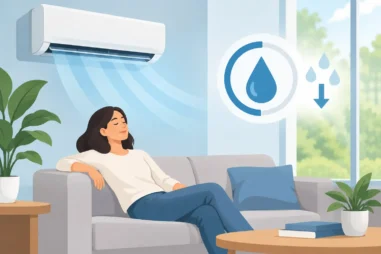
- Regulates humidity levels
All of these functions work together to create a stable and comfortable indoor environment, regardless of outdoor conditions.
Main Components of an HVAC System
An HVAC system is made up of several interconnected components. Each one performs a specific task, and if one fails, overall system performance is affected.
The primary components include:
- Heating unit — furnace or heat pump that generates warmth
- Cooling unit — air conditioner or heat pump that removes heat
- Thermostat — controls system operation based on temperature settings
- Ductwork — distributes conditioned air throughout the building
- Air handler or blower — moves air across heating and cooling elements
- Air filter — removes dust and airborne particles
Together, these parts create a closed-loop system that continuously adjusts indoor conditions.
How an HVAC System Works Step by Step
Although HVAC systems may seem complex, the basic operating cycle is straightforward.
First, the thermostat monitors indoor temperature. When the temperature rises above or falls below the set point, it sends a signal to the HVAC system to activate heating or cooling.
During cooling mode, warm indoor air is pulled into the system through return vents. This air passes over the evaporator coil, where heat is absorbed and moisture is removed. The cooled air is then pushed back into living spaces through supply ducts.
During heating mode, the system generates heat using a furnace or heat pump. The warmed air is distributed through ductwork, raising indoor temperatures evenly throughout the home.
Throughout both processes, fans and blowers ensure consistent airflow. Services such as fan motor services are essential to maintain proper circulation and system balance.
The Role of Refrigerant in HVAC Systems
Refrigerant is a key element in cooling and heat pump systems. It allows heat to be absorbed indoors and released outdoors through a continuous cycle of compression and expansion.
Without refrigerant, cooling cannot occur. Low refrigerant levels or leaks reduce efficiency and strain major components like the compressor. Keeping coils clean through services such as coil cleaning for peak performance helps refrigerant perform its job effectively.
Heating Systems Explained
Heating is one of the most important functions of an HVAC system, especially in colder climates. The most common heating systems include:
- Gas furnaces — use natural gas to generate heat
- Electric furnaces — rely on electric heating elements
- Heat pumps — transfer heat instead of generating it
- Hybrid systems — combine furnaces and heat pumps
Each option has different efficiency levels, operating costs, and climate suitability. Choosing the right heating system impacts comfort, energy bills, and long-term reliability.
Cooling Systems Explained
Cooling systems remove heat from indoor air and release it outside. The most common cooling methods include:
- Central air conditioning systems
- Heat pumps with cooling mode
- Ductless mini-split systems
Central air conditioning is widely used in homes with ductwork, while ductless systems are popular for targeted cooling or retrofitted spaces. Proper installation, such as through new HVAC installation, ensures the system is correctly sized and balanced.
Ventilation and Airflow
Ventilation plays a critical role in indoor air quality. Fresh air exchange removes stale air, odors, and pollutants while maintaining oxygen levels.
Proper ventilation helps:
- Reduce indoor pollutants
- Control moisture and humidity
- Improve breathing comfort
- Prevent mold growth
Airflow issues are often caused by dirty filters, blocked ducts, or failing blower motors. Regular inspection helps maintain healthy air circulation throughout the building.
Why HVAC Systems Are Important for Energy Efficiency
An efficient HVAC system uses less energy to maintain comfort. When components are clean and functioning properly, the system doesn’t have to work as hard to heat or cool the space.
Energy efficiency depends on:
- Proper system sizing
- Clean coils and filters
- Balanced airflow
- Accurate thermostat settings
- Routine professional maintenance
Neglecting maintenance leads to higher energy bills and shortened system lifespan.
Common HVAC Problems Homeowners Experience
HVAC systems usually show warning signs before major failures occur. Some common issues include:
- Uneven heating or cooling
- Strange noises during operation
- Weak airflow from vents
- Rising energy bills
- Frequent cycling on and off
When these symptoms appear, timely inspection helps prevent more expensive repairs.
HVAC Maintenance and System Longevity
Routine maintenance is the most effective way to extend the life of an HVAC system. Well-maintained systems typically last 10 to 15 years or longer, depending on usage and climate.
Professional maintenance includes:
- Cleaning coils and drain lines
- Inspecting fan motors and belts
- Checking refrigerant levels
- Testing electrical connections
- Verifying thermostat accuracy
Homeowners who schedule regular service through residential HVAC services often experience fewer breakdowns and more consistent comfort.
Repair vs Replacement Considerations
Understanding how an HVAC system works makes it easier to decide whether repair or replacement is the better option.
Replacement may be worth considering if:
- The system is over 15 years old
- Repairs are frequent or costly
- Energy efficiency is declining
- Comfort is inconsistent
Modern HVAC systems offer improved efficiency, quieter operation, and better temperature control.
FAQ
- What does HVAC stand for?
HVAC stands for Heating, Ventilation, and Air Conditioning. - Is an HVAC system one machine?
No. It’s a system made up of multiple components that work together to control indoor comfort. - How often should an HVAC system be serviced?
At least once a year, ideally before heating or cooling seasons. - Can HVAC systems control humidity?
Yes. Cooling systems remove moisture, and some HVAC systems include dedicated humidity control features. - How long does an HVAC system last?
Most systems last between 10 and 15 years with proper maintenance.