


 07 Dec 2025

Air conditioners are essential for maintaining comfort during warm months, yet many homeowners experience frustrating and costly malfunctions. The most effective way to avoid common air conditioner problems—ranging from inefficient cooling and high energy bills to complete system breakdowns—is through proactive, consistent maintenance and careful monitoring of the unit’s performance. A well-maintained AC unit, whether a Residential system or a larger Commercial AC System, will run more efficiently, last longer, and save you money on utility costs and emergency repairs. Prevention is always less expensive than cure when it comes to HVAC technology.
Many issues that lead to system failure are not sudden mechanical disasters but rather the slow accumulation of dirt, debris, and wear that restricts the system’s ability to exchange heat. By focusing on the three main areas—airflow, drainage, and professional inspections—you can drastically reduce the likelihood of major complications.
Ensure Optimal Airflow: The Foundation of AC Efficiency
The most frequent and easiest-to-prevent AC problems relate to restricted airflow. Both the indoor and outdoor units rely on unimpeded air movement to properly manage heat transfer. When airflow is blocked, the unit struggles to cool, leading to longer run times, higher energy bills, and ultimately, system damage due to excessive strain on components like the compressor and the fan motor.
Filter Maintenance: The First Line of Defense
A clogged air filter is the single biggest impediment to airflow and the leading cause of cold air complaints. A dirty filter traps dust and debris, forcing the blower to work harder. In severe cases, restricted airflow can cause the evaporator coils (the indoor coils) to freeze over, leading to a complete cooling failure.
- Routine Replacement: Check your air filter every month, especially during peak cooling season. Replace disposable filters when they appear gray or clogged. Most standard filters should be replaced every 1-3 months.
- Benefits: A clean filter ensures maximum cool air delivery and protects the interior components from dust accumulation, thereby extending the life of the unit and maintaining efficiency.
Clear the Outdoor Condenser Unit
The outdoor unit (condenser) is responsible for releasing heat extracted from your home. If the fins and coils are covered in dirt, grass clippings, leaves, or shrubs, the unit cannot properly dissipate heat.
- Keep the Area Clear: Maintain at least two feet of clear space around the entire condenser unit. Trim back any surrounding shrubs, weeds, or tall grass.
- Gentle Cleaning: Periodically (or during seasonal maintenance) gently wash the exterior fins with a garden hose to remove surface dirt and debris. Caution: Never use a high-pressure washer, as it can easily bend the delicate aluminum fins.
Monitor and Maintain Proper Drainage
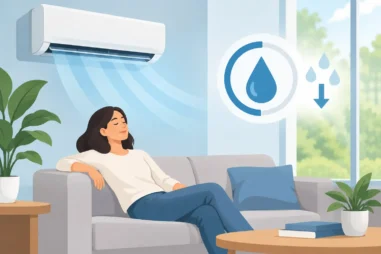
Air conditioners dehumidify the air as they cool it, producing condensation (water). This water drains away through a condensate drain line. If this line becomes clogged with mold, algae, or dirt, the water can back up, leading to serious problems.
Addressing Condensate Drain Clogs
A clogged drain line can cause water to overflow from the drip pan and into your home (potentially damaging ceilings, walls, or Residential flooring) or trigger the unit’s safety shutoff switch, stopping the AC from running entirely.
- Regular Flushing: Periodically pour a small amount of distilled white vinegar or a mix of mild bleach and water (approximately one cup) down the drain opening access point (usually a removable cap near the indoor unit). This helps prevent biological growth (algae and mold) that causes blockages.
- Signs of Clog: If you see standing water near the furnace or air handler, or if the unit is failing to cool, check the condensate pan for overflow. Addressing this quickly can prevent water damage and system shutdown.
The Value of Professional and Proactive Maintenance
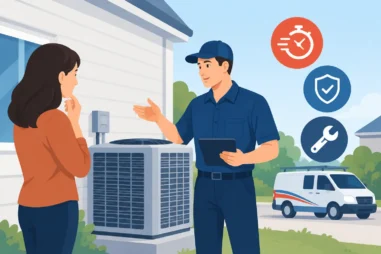
While homeowner maintenance handles the basic issues of dirt and debris, certain complex components require the expertise of a certified HVAC technician. Professional, annual maintenance is the single most important action to avoid major breakdowns and ensure the unit maintains the high level of efficiency it had when installed, especially if it was part of a New HVAC Installation.
Why Schedule Annual Tune-Ups?
An annual check-up typically involves tasks that cannot be safely or effectively performed by a homeowner, such as checking electrical components, calibrating the thermostat, and verifying refrigerant levels.
- Electrical Checks: Loose electrical connections can pose fire hazards and cause the system to fail. Technicians tighten all connections and check the voltage and current to prevent compressor failure.
- Refrigerant Level Verification: Low refrigerant (coolant) is a sign of a leak, not a maintenance issue. If refrigerant is low, the unit struggles to cool, leading to high energy use and stress. A professional will locate and repair the leak before topping up the charge.
- Coil Cleaning: Technicians perform deep Coil Cleaning for Peak Performance on both the indoor evaporator coil and the outdoor condenser coil. Dirty coils dramatically reduce the unit’s ability to exchange heat and cause substantial efficiency loss.
- Blower and Fan Motor Services: The blower motor requires lubrication and inspection to ensure it is moving air efficiently. Wear and tear on the blower fan can lead to excessive noise and eventual failure.
“Ignoring annual AC maintenance is like driving a car without oil changes. The system might run for a while, but you are drastically shortening its lifespan and guaranteeing an expensive breakdown,” states an industry veteran specializing in HVAC longevity.
By adhering to these proactive steps—keeping airflow clear, ensuring proper drainage, and investing in an annual professional check-up—you can ensure your air conditioning system delivers reliable, efficient cooling for years, avoiding the stress and cost of emergency service calls.
Frequently Asked Questions (FAQ)
Q: Why is my AC freezing up (icing over)?
A: The most common cause of an AC freezing up is restricted airflow, typically due to a very dirty air filter. When the airflow is severely limited, the cold refrigerant passing through the indoor coil can’t absorb enough heat, causing the coil surface temperature to drop below freezing, leading to ice buildup. Other causes include low refrigerant levels or issues with the blower motor.
Q: How can I tell if my AC unit is running inefficiently?
A: The primary indicators of inefficiency are rising electricity bills (without increased usage), the unit running longer cycles than usual to achieve the set temperature, and a noticeable reduction in the amount of cool air coming from the vents. These are often signs that your coils need Coil Cleaning for Peak Performance.
Q: How often should the outdoor condenser unit be cleaned?
A: The exterior of the condenser unit should be inspected and rinsed with a garden hose at least once a year at the start of the cooling season to remove accumulated debris. If you live in an area with heavy cottonwood, constant pollen, or yard work, you may need to clean it more frequently.
Q: Does keeping the thermostat fan set to “On” rather than “Auto” harm the system?
A: While it won’t directly harm the compressor, setting the fan to “On” causes the blower motor to run continuously. This increases electricity usage and can pull in moist air across the cool evaporator coil even when the cooling cycle is off, potentially reintroducing humidity into your home and making the air feel clammy. It’s generally more energy-efficient to keep the fan set to “Auto.”