





 16 May 2026
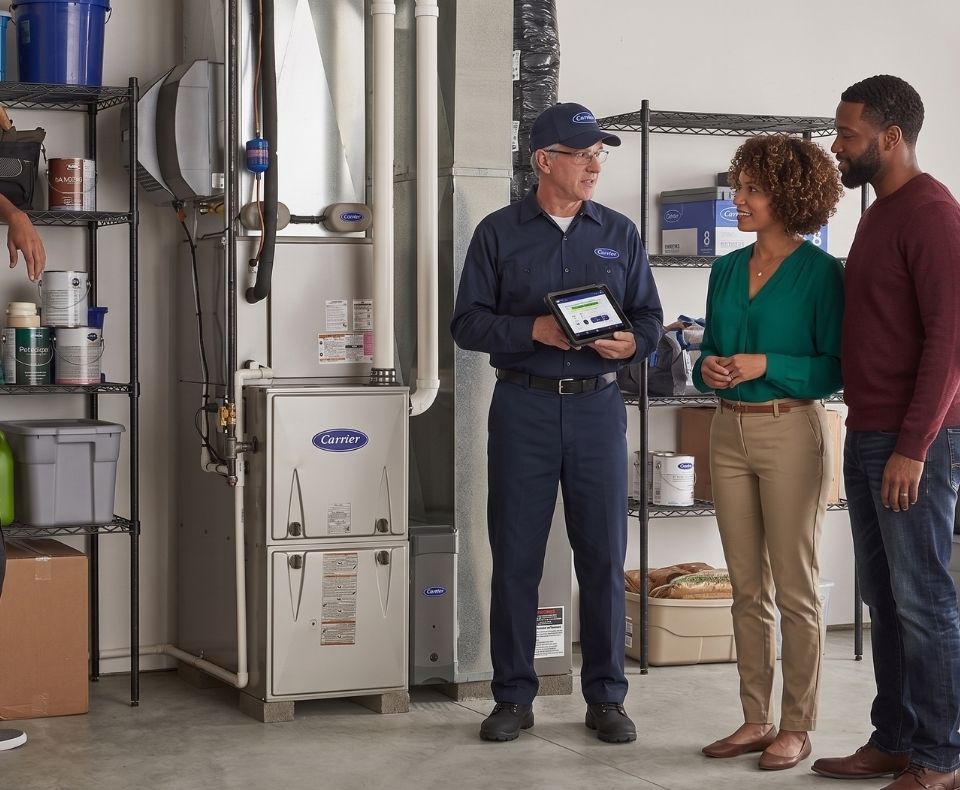
A new furnace typically costs $3,000 to $8,000 installed, but the final price can be lower or higher depending on furnace type, efficiency rating, home size, installation complexity, ductwork condition, and local labor rates. Recent cost guides place most residential furnace replacements around the mid-$4,000 to low-$5,000 range, while high-efficiency or complex installations can cost significantly more.
For homeowners, the most important thing to understand is that furnace cost is not only the price of the equipment. The full project usually includes the furnace itself, professional installation, removal of the old unit, safety checks, venting, electrical or gas connections, thermostat setup, permits, and any changes needed to make the system work correctly.
A furnace is a long-term comfort investment. Choosing the cheapest unit may reduce the upfront cost, but it can lead to higher energy bills, poor comfort, more repairs, or a shorter system lifespan. The best furnace is the one that is properly sized, safely installed, efficient enough for your climate, and matched to your home’s ductwork and heating needs.
Average New Furnace Cost
The average cost of a new furnace depends heavily on the type of system and the difficulty of installation. In many homes, a standard furnace replacement falls between $3,000 and $8,000, including professional installation. Some national cost sources show typical replacement ranges around $2,823 to $6,896, with average installed costs close to $4,800.
A basic replacement is usually less expensive when the existing ductwork, gas line, electrical connection, venting, and thermostat are already compatible. The cost rises when the installation requires new venting, duct modifications, code upgrades, high-efficiency equipment, or difficult access.
Typical furnace cost ranges:
- Basic electric furnace: often lower upfront equipment cost
- Standard gas furnace: common residential choice with moderate installation cost
- High-efficiency gas furnace: higher upfront cost, better fuel efficiency
- Oil or propane furnace: often more expensive depending on fuel setup and region
- Commercial furnace system: usually higher due to capacity, controls, zoning, and installation requirements
In simple terms, the more your installation requires beyond swapping the old unit for a new one, the more the total cost increases.
Main Factors That Affect Furnace Cost
The cost of a new furnace is affected by equipment type, size, efficiency, labor, installation complexity, and the condition of your existing HVAC system. Two homes can install similar furnaces and still receive very different quotes because the surrounding system requirements are different.
The biggest cost factors include:
- Furnace type
- Heating capacity
- Energy efficiency rating
- Brand and model
- Single-stage, two-stage, or modulating operation
- Ductwork condition
- Venting requirements
- Gas line or electrical upgrades
- Thermostat compatibility
- Local labor rates
- Permit requirements
- Removal of old equipment
- Accessibility of the installation area
A furnace installed in an open basement may be easier and less expensive to replace than one located in a tight attic, crawl space, utility closet, or commercial mechanical room. Accessibility affects labor time, safety setup, and installation difficulty.
Furnace Cost by Type
The type of furnace you choose has a major impact on cost. Gas furnaces are common in many homes because they provide strong heat and are often cost-effective to operate where natural gas is available. Electric furnaces may cost less to install but can cost more to operate in colder climates. Oil and propane furnaces are more common in areas without natural gas service.
Gas Furnace Cost
Gas furnaces are one of the most common choices for residential heating. A new gas furnace installation often costs more than a simple electric furnace but may offer lower operating costs in areas where natural gas prices are favorable.
Gas furnace costs vary based on:
- BTU capacity
- Efficiency rating
- Venting type
- Gas line condition
- Existing ductwork
- Installation location
- Local code requirements
A standard-efficiency gas furnace may cost less upfront, while a high-efficiency condensing furnace usually costs more because it may require different venting and drainage.
Electric Furnace Cost
Electric furnaces are usually simpler to install because they do not require gas lines or combustion venting. However, operating costs can be higher depending on local electricity prices and winter temperatures.
Electric furnaces may be suitable for:
- Mild climates
- Homes without gas service
- Smaller spaces
- Backup heating applications
- Areas where electricity costs are reasonable
The lower upfront cost can be attractive, but homeowners should compare long-term energy use before choosing electric heat as the primary heating source.
Oil and Propane Furnace Cost
Oil and propane furnaces are typically used where natural gas is unavailable. These systems can provide strong heat, but installation and operating costs depend on fuel delivery, storage tanks, ventilation, and local fuel prices.
These systems may involve:
- Fuel tank inspection
- Fuel line work
- Venting requirements
- Combustion safety checks
- Higher maintenance needs
- Regional fuel price variation
Because of these variables, oil and propane furnace quotes should be reviewed carefully with a qualified HVAC professional.
Furnace Efficiency and AFUE
Furnace efficiency is measured by AFUE, which stands for Annual Fuel Utilization Efficiency. AFUE shows how efficiently a furnace converts fuel into heat over a typical year. The U.S. Department of Energy explains AFUE as the ratio of annual heat output compared with the total annual fossil fuel energy consumed.
For example, a furnace with 80% AFUE converts about 80% of its fuel into usable heat, while the rest is lost through exhaust. A 95% AFUE furnace converts more fuel into heat and wastes less energy.
Common furnace efficiency levels include:
- 80% AFUE: standard-efficiency furnace
- 90%–95% AFUE: high-efficiency furnace
- 96%+ AFUE: very high-efficiency furnace
High-efficiency furnaces usually cost more upfront, but they may reduce monthly heating bills. They can be especially valuable in colder climates where the furnace runs frequently.
ENERGY STAR-certified residential furnaces must meet efficiency and performance criteria, including requirements related to fan motor efficiency and air leakage.
Furnace Size and Heating Capacity
Furnace size is measured in BTUs, which represent heating capacity. A larger home usually needs a larger furnace, but square footage alone is not enough to choose the right size.
A furnace must be sized based on the home’s heating load. This includes:
- Square footage
- Ceiling height
- Insulation level
- Window quality
- Air leakage
- Local climate
- Ductwork design
- Number of floors
- Home layout
- Sun exposure
- Basement or attic conditions
An oversized furnace can short cycle, which means it turns on and off too frequently. This can reduce comfort, increase wear, and create uneven temperatures. An undersized furnace may run constantly and still fail to keep the home warm.
HVAC professionals often say, “The right furnace is not the biggest one. It is the one that matches the building.” Proper sizing is especially important when replacing an old unit because the previous furnace may not have been sized correctly.
Installation Labor Costs
Labor is a major part of the total furnace cost. Installation involves much more than placing the unit in position. A technician must safely connect fuel or electrical service, verify airflow, check venting, connect controls, test operation, and confirm the system meets safety requirements.
Labor costs can increase when the job involves:
- Tight installation spaces
- Attic or crawl space access
- New venting
- Duct modifications
- Gas line adjustments
- Electrical upgrades
- Condensate drainage for high-efficiency furnaces
- Old equipment removal
- Permit and inspection requirements
- Commercial building access or rooftop equipment
A low installation price may not include all required work. When comparing quotes, homeowners should ask what is included and what may become an extra charge.
Ductwork and Venting Costs
Ductwork and venting can significantly affect furnace replacement cost. If your existing ducts are in good condition and properly sized, the installation may be straightforward. If ducts are leaking, undersized, damaged, or poorly balanced, additional work may be needed.
Duct problems can cause:
- Uneven heating
- Weak airflow
- High energy bills
- Noisy operation
- Poor indoor air quality
- Short cycling
- Excessive system strain
Venting is also critical. Gas, oil, and propane furnaces produce combustion gases that must be safely exhausted. High-efficiency condensing furnaces may require different venting materials than older standard-efficiency units.
A furnace replacement is a good time to inspect ducts, return air pathways, and ventilation. Installing a new furnace on a poor duct system can limit performance and reduce comfort.
Repair vs. Replacement: Which Is Better?
Repair may be the better option if your furnace is relatively new, the issue is minor, and the system has been reliable. Replacement becomes more practical when the furnace is old, inefficient, unsafe, or repeatedly breaking down.
You may want to consider replacement if:
- The furnace is 15–20 years old
- Repairs are becoming frequent
- Heating bills keep rising
- Some rooms never warm properly
- The furnace makes loud noises
- The heat exchanger is cracked
- The system has visible rust or corrosion
- The blower motor or control board fails
- Repair costs are close to replacement cost
- The system no longer heats safely or efficiently
A professional inspection can help determine whether repair or replacement makes more financial sense. TAMCO provides professional furnace repair and installation for homeowners who need expert guidance on whether to repair an existing system or install a new furnace.
Hidden Costs to Consider
A furnace quote may include the main equipment and installation, but some projects require additional work. These costs are not always obvious until the system is inspected.
Possible additional costs include:
- Permit fees
- Old furnace removal
- Duct sealing or repairs
- New thermostat
- Electrical upgrades
- Gas line modifications
- Vent pipe replacement
- Condensate pump
- Drain line installation
- Air filtration upgrades
- Humidifier installation
- Carbon monoxide detector upgrades
- Code compliance work
These items are not necessarily unnecessary upsells. In many cases, they are required for safe, efficient, and code-compliant installation. The key is transparency. A good HVAC contractor should explain why each item is needed.
Residential Furnace Cost vs. Commercial Furnace Cost
Residential furnace replacement is usually simpler than commercial furnace installation because homes typically have smaller systems and fewer zones. Commercial heating systems often serve larger spaces, multiple rooms, offices, retail areas, warehouses, or buildings with different occupancy needs.
Commercial furnace costs can be higher because they may involve:
- Larger heating capacity
- Multiple units
- Rooftop or mechanical room access
- More complex controls
- Zoning requirements
- Ventilation requirements
- Commercial code compliance
- Higher labor demands
- Business downtime planning
- More extensive ductwork
For business properties, the cheapest furnace is not always the best choice. Reliability, efficiency, service access, ventilation, and system design are especially important. TAMCO provides commercial furnace services for businesses that need professional heating repair, replacement, or installation support.
How to Know If a Furnace Quote Is Fair
A fair furnace quote should be clear, detailed, and based on your actual home or building. It should not be a vague price given without inspecting the system.
A good furnace estimate should include:
- Furnace model and efficiency rating
- Heating capacity
- Labor
- Removal of old equipment
- Installation materials
- Venting work
- Thermostat details
- Permit information
- Warranty information
- Any ductwork or code upgrades
- Timeline for installation
- Explanation of optional upgrades
Be cautious with quotes that are unusually low. They may exclude important parts of the job, use lower-quality equipment, skip necessary duct or venting corrections, or leave permit work unclear.
A fair quote should answer three questions:
- What equipment is being installed?
- What work is included?
- Why is this furnace the right choice for the property?
How to Save Money on a New Furnace
You can reduce furnace replacement costs without choosing poor-quality equipment. The best way to save is to plan ahead, maintain your current system, compare professional quotes, and choose the right efficiency level for your home.
Ways to control furnace cost include:
- Replace the furnace before emergency failure
- Schedule installation during slower seasons when possible
- Maintain the current furnace to extend lifespan
- Compare detailed quotes
- Ask about rebates or incentives
- Choose the right size, not the largest size
- Consider long-term energy savings
- Replace related components only when needed
- Improve insulation and air sealing
- Keep ductwork in good condition
Avoid delaying replacement until the furnace fails during freezing weather. Emergency replacement can limit your options and create pressure to make a fast decision.
Is a High-Efficiency Furnace Worth It?
A high-efficiency furnace can be worth it if you live in a colder climate, use heating heavily, plan to stay in the home for several years, or currently have an older inefficient system. The higher upfront cost may be balanced by lower fuel use over time.
A high-efficiency furnace may be a good choice if:
- Winters are long or cold
- Heating bills are high
- The current furnace is old
- The home is well sealed
- You want better comfort control
- Rebates are available
- You plan long-term ownership
However, a high-efficiency furnace is not automatically the best choice for every home. Installation requirements, venting changes, fuel prices, and usage patterns all matter. A professional should compare upfront cost with expected operating savings.
What Is Included in Furnace Installation?
A professional furnace installation usually includes equipment setup, connection, testing, and safety verification. The exact scope depends on the home and the contractor.
A complete installation may include:
- Removing the old furnace
- Placing the new furnace
- Connecting ductwork
- Connecting gas or electrical service
- Installing or adapting venting
- Setting up condensate drainage
- Connecting thermostat wiring
- Testing ignition and combustion
- Checking airflow
- Measuring temperature rise
- Verifying safety controls
- Cleaning the work area
- Explaining system operation
The installer should also review maintenance needs, filter size, thermostat use, warranty information, and signs that may require service.
When Is the Best Time to Replace a Furnace?
The best time to replace a furnace is before it fails. Late spring, summer, and early fall can be good times because HVAC contractors may have more scheduling flexibility than during peak heating season.
Replacing early gives you time to:
- Compare furnace options
- Review efficiency ratings
- Get a proper load calculation
- Plan duct or venting upgrades
- Avoid emergency installation
- Prepare before cold weather
- Make a more informed financial decision
If your furnace is already unreliable, do not wait until winter. A weak furnace is more likely to fail when temperatures drop and the system runs under heavy demand.
Final Thoughts
A new furnace usually costs several thousand dollars, with many residential installations falling around $3,000 to $8,000 installed. The final price depends on furnace type, size, efficiency, labor, ductwork, venting, and installation complexity. National cost guides show average replacement pricing commonly around the mid-$4,000 range, but every home or building needs an individual estimate.
The best furnace decision is not based only on price. It should be based on safety, comfort, efficiency, correct sizing, installation quality, and long-term operating cost. A properly installed furnace can heat more evenly, run more efficiently, and reduce the risk of unexpected repairs.
Before replacing your furnace, have the system inspected, compare detailed quotes, and make sure the new equipment is matched to your property’s real heating needs.




![Man holding a remote and aiming it at a wall-mounted air conditioner in a bright room.];](https://tamcoair.com/wp-content/uploads/2026/05/What-Size-Air-Conditioner-Do-I-Need-for-My-Home-381x314.jpg "What Size Air Conditioner Do I Need for My Home - Tamco Air")


