


 28 Apr 2026
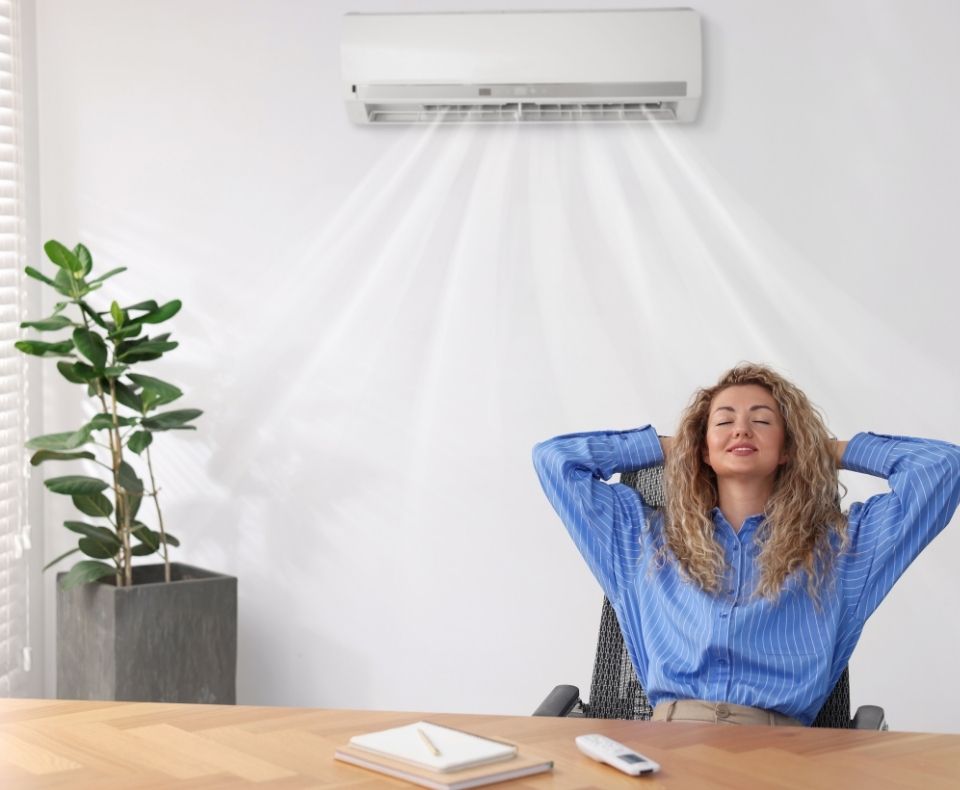
Setting the right temperature on your air conditioner during summer is essential for balancing comfort, energy efficiency, and system longevity. Many homeowners either overcool their homes or constantly adjust the thermostat, which leads to higher energy bills and unnecessary strain on the HVAC system.
In general, the recommended temperature for summer is around 78°F (25–26°C) when you are at home and awake. This setting provides a comfortable indoor environment while keeping energy usage under control.
As energy efficiency expert David Harper explains, “Every degree you lower your thermostat below recommended levels increases energy consumption significantly — often by 3 to 5 percent per degree.” Understanding how to set your thermostat properly can make a noticeable difference in both comfort and cost.
The Ideal AC Temperature for Different Situations
The best temperature setting depends on whether you are home, sleeping, or away.
When You Are at Home
- Recommended: 76–78°F (24–26°C)
This range offers a good balance between comfort and efficiency for most households.
When You Are Sleeping
- Recommended: 72–75°F (22–24°C)
Cooler temperatures at night can improve sleep quality, especially in warm climates.
When You Are Away
- Recommended: 82–85°F (27–29°C)
Raising the temperature when no one is home reduces energy usage without overheating the house.
Using a programmable or smart thermostat makes these adjustments automatic and consistent.
Why 78°F Is the Standard Recommendation
The U.S. Department of Energy recommends 78°F as a baseline because it minimizes energy use while maintaining reasonable comfort. At this temperature, your air conditioner does not need to run continuously, reducing wear on components and lowering utility bills.
Lowering the thermostat too much forces the system to:
- Run longer cycles
- Use more electricity
- Increase wear on the compressor
- Struggle to maintain stable humidity
This is why extremely low settings rarely result in better comfort — they just increase costs.
How Temperature Settings Affect Energy Bills
Cooling is one of the largest contributors to summer energy expenses. The temperature you choose directly impacts how much your system runs.
General rule:
- Every 1°F lower can increase energy usage by 3–5%
For example:
- Setting AC to 72°F instead of 78°F can increase cooling costs by 15–30%
Over an entire summer, this difference can be significant.
Factors That Influence the Best Temperature Setting
Not every home feels comfortable at the same thermostat setting. Several factors affect how cool your home feels.
Home Insulation
Well-insulated homes retain cool air better, allowing higher thermostat settings without discomfort.
Humidity Levels
Humidity makes air feel warmer. If humidity is high, you may feel uncomfortable even at lower temperatures.
Ceiling Height and Layout
Homes with high ceilings or open layouts may require slightly lower settings for consistent comfort.
Sun Exposure
Rooms exposed to direct sunlight heat up faster and may feel warmer than shaded areas.
Adjusting temperature slightly based on these factors helps maintain comfort without overworking the system.
The Role of Humidity in Comfort
Temperature alone doesn’t determine how comfortable your home feels. Humidity plays a major role.
Air conditioners remove moisture as they cool, which helps indoor air feel more comfortable. When humidity is controlled properly:
- 78°F can feel cooler
- Air feels less sticky
- Breathing becomes more comfortable
If humidity is too high, your system may need maintenance to improve moisture removal.
Common Mistakes When Setting AC Temperature
Many homeowners unintentionally increase their energy bills by using inefficient thermostat habits.
Avoid these mistakes:
- Setting the temperature extremely low to cool faster
- Constantly adjusting the thermostat throughout the day
- Leaving the AC running at low temperatures when away
- Ignoring humidity and airflow issues
Air conditioners cool at a constant rate, so lowering the temperature drastically will not cool your home faster.
Smart Thermostats and Automation
Smart thermostats are one of the easiest ways to optimize summer cooling. They automatically adjust temperature based on your schedule and preferences.
Benefits include:
- Automatic energy savings
- Consistent comfort levels
- Remote control via smartphone
- Usage tracking and reports
By automating temperature changes, you avoid unnecessary energy waste while maintaining comfort.
How Proper Temperature Settings Protect Your AC System
Running your air conditioner at very low temperatures puts extra strain on key components. Over time, this can lead to:
- Increased wear on the compressor
- Frozen evaporator coils
- Shortened system lifespan
- Higher repair frequency
Maintaining recommended settings helps your system operate efficiently and reduces long-term maintenance costs.
When to Adjust Your Temperature Strategy
Sometimes, adjusting your temperature is necessary based on conditions.
Consider changes if:
- Your home feels humid or sticky
- Certain rooms are much warmer than others
- Energy bills increase unexpectedly
- The system runs constantly without reaching the set temperature
These issues may indicate airflow problems, insulation issues, or the need for maintenance.
Quick Summer Temperature Tips
For easy reference, follow these best practices:
- Keep thermostat at 78°F when home
- Raise temperature when leaving the house
- Use ceiling fans to improve air circulation
- Close blinds during peak sunlight hours
- Avoid heat-generating appliances during the day
Small adjustments like these can significantly improve efficiency.
FAQ
- What is the best AC temperature for summer?
Around 78°F when at home and higher when away. - Is 72°F too low for summer?
It’s comfortable but increases energy costs significantly compared to higher settings. - Does lowering the temperature cool faster?
No. AC systems cool at a constant rate regardless of the setting. - What temperature saves the most energy?
Higher settings like 78–82°F provide the best balance of comfort and efficiency.
5. Should I turn off my AC when I leave?
It’s better to raise the temperature rather than turn it off completely.