04 Nov 2026

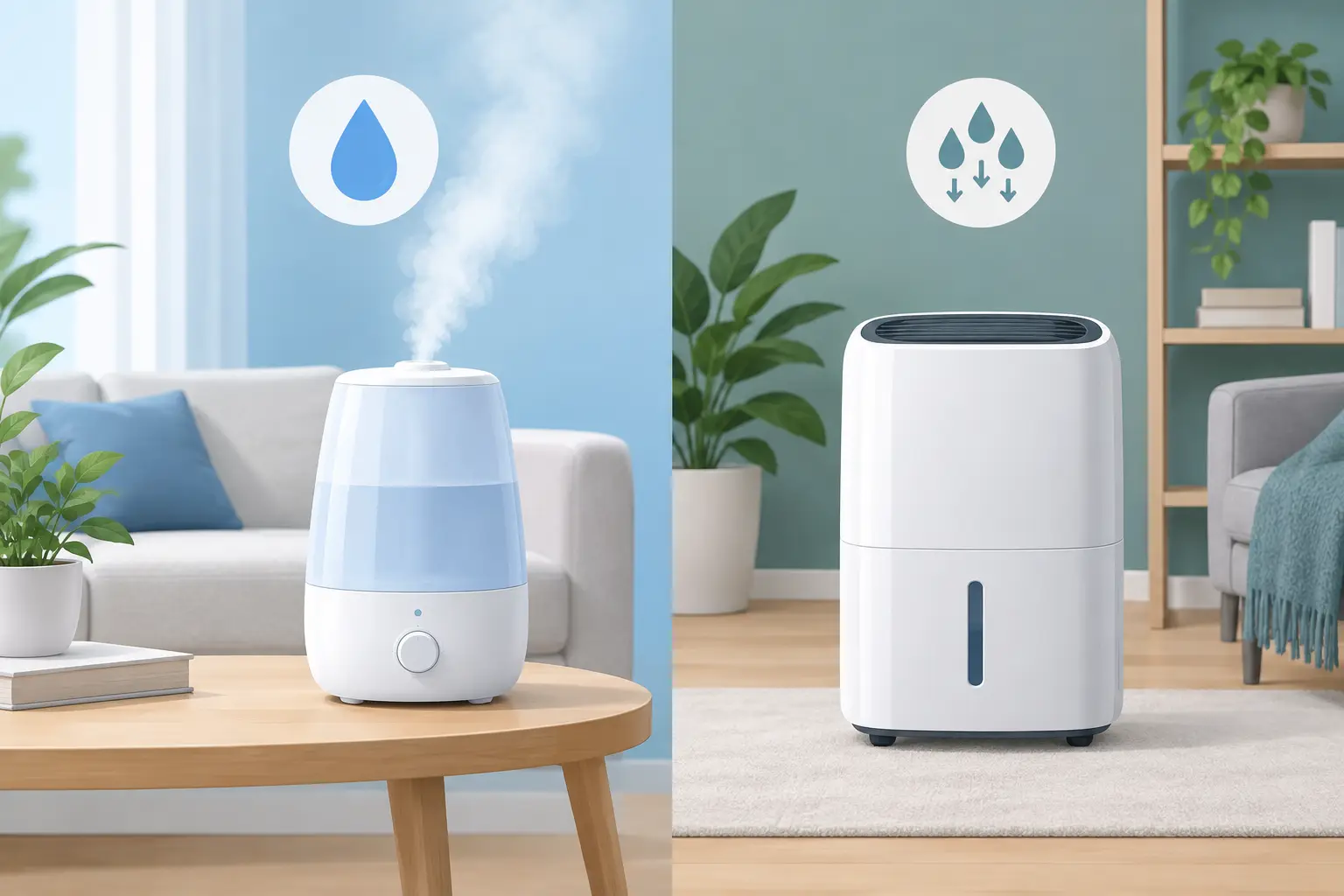
A humidifier vs dehumidifier for home decision should not start with the appliance. It should start with what your indoor air is doing. If your family wakes with dry throats, itchy skin, and static shocks every winter, adding moisture may help. If a basement smells musty, windows sweat, or rooms feel sticky even with the AC running, the better answer may be removing moisture.
For New Jersey homeowners and property managers, humidity changes dramatically through the year. Cold winter air tends to be dry indoors once it is heated. Summer heat, coastal weather patterns, rain, and below-grade spaces can push moisture levels too high. The right equipment protects comfort, but it can also help protect floors, furnishings, insulation, and your HVAC system.
Humidifier vs Dehumidifier for Home: The Basic Difference
A humidifier adds water vapor to the air. Its purpose is to raise indoor humidity when the air is too dry. Portable room humidifiers are common, but whole-home humidifiers can be installed as part of a forced-air HVAC system to serve the house more consistently.
A dehumidifier pulls water vapor out of the air. Most portable models collect water in a bucket or pump it to a drain. Whole-home dehumidifiers connect to ductwork and manage moisture across larger spaces, often working alongside air conditioning rather than replacing it.
Neither device is automatically better. A humidifier solves a dry-air problem. A dehumidifier solves an excess-moisture problem. Using the wrong one can make the issue worse.
Start With a Humidity Reading, Not a Guess
Indoor relative humidity is usually most comfortable and practical between 30% and 50%. A simple hygrometer can tell you where your home stands. Place one in the rooms where you notice symptoms, such as a bedroom, living area, or basement. Readings can vary by floor, especially in larger homes and older properties.
In winter, many New Jersey homes feel best near the lower end of that range. If outdoor temperatures are very low, excessively high indoor humidity can create condensation on windows and cold exterior surfaces. That moisture can damage window frames, encourage mold, and leave water stains around trim.
During warmer months, a basement or main living area that stays above 50% to 55% humidity is more likely to feel clammy and develop musty odors. Consistent readings of 60% or higher deserve attention, particularly if you see mildew, peeling paint, warped wood, or condensation on pipes.
A humidity reading also prevents a common mistake: treating dry skin or a damp room as proof of one single problem. Dry air can be caused by air leaks, heavy furnace use, or ventilation conditions. High humidity may point to poor drainage, a plumbing leak, inadequate exhaust ventilation, or an air conditioner that is not properly sized or operating correctly.
When a Humidifier Makes Sense
A humidifier is usually the right choice when relative humidity falls below roughly 30%, especially during the heating season. The signs are familiar: static electricity, dry nasal passages, scratchy throats, cracking wood furniture, shrinking hardwood floors, and houseplants that struggle despite proper watering.
Portable humidifiers can work well for one bedroom or a small office. They are affordable and easy to use, but they require regular cleaning and refilling. Neglected units can release mineral dust or support microbial growth, which defeats the purpose of improving indoor air quality.
For a larger home, a whole-home humidifier may offer a more reliable solution. It is installed with the HVAC system and distributes moisture through the ductwork. This approach is especially useful when several rooms feel dry, when occupants have recurring winter discomfort, or when the home has an open layout that makes room-by-room equipment impractical.
Whole-home equipment still needs professional setup and seasonal maintenance. Too much added moisture can cause condensation in walls, around windows, or inside ductwork. The goal is controlled humidity, not simply making the air feel warmer.
When a Dehumidifier Is the Better Choice
A dehumidifier is often needed in basements, crawl spaces, laundry rooms, bathrooms, and any area that remains damp after rain or during the summer. It can reduce that heavy, sticky feeling and help limit conditions that support mold and dust mites.
Basements are a frequent concern in Middlesex County and across New Jersey because they sit below grade and are surrounded by damp soil. Even a finished basement can hold moisture behind walls, beneath flooring, or around stored items. A portable dehumidifier may be enough for a small, contained basement that has a drain nearby. Larger finished basements, multi-level homes, and properties with repeated moisture concerns may benefit from a dedicated whole-home solution.
Your air conditioner naturally removes some moisture as it cools the air. However, AC alone may not maintain a comfortable humidity level during mild, rainy weather because the system does not run long enough to remove much water. It can also struggle if the equipment is oversized, has airflow problems, or needs repair. A separate dehumidifier provides moisture control without forcing the home to become colder.
Do not use a dehumidifier to hide an active water problem. If there is water intrusion, a plumbing leak, flooding, poor grading, or failed sump equipment, fix the source first. The dehumidifier is part of moisture management, not a substitute for repairs.
Choosing Between Portable and Whole-Home Equipment
The right format depends on the size of the problem, not only the size of the house. A portable unit is a sensible first step for one occasional trouble spot. It is also useful in a rental, a guest room, or a single basement room where running new ductwork is not realistic.
Whole-home humidity equipment is a stronger fit when the issue affects multiple rooms, returns every season, or impacts the operation of the HVAC system. These systems can be integrated with controls that monitor indoor conditions automatically. They also avoid the daily work of emptying water buckets or moving equipment from room to room.
Capacity matters. An undersized dehumidifier will run constantly and still leave the space damp. An oversized humidifier or improperly adjusted whole-home unit can add too much moisture. For dehumidification, room size, ceiling height, temperature, moisture source, and drainage options all affect selection. For humidification, technicians should consider the home’s square footage, insulation, windows, air leakage, and heating system.
Maintenance Protects Air Quality and Equipment
Both types of equipment need attention. Clean a portable humidifier according to the manufacturer’s instructions, use the recommended water type when applicable, and replace filters or evaporator pads on schedule. If it develops odors, visible buildup, or slime, stop using it until it has been thoroughly cleaned.
For dehumidifiers, clean the air filter, inspect the drain line or condensate pump, and make sure the unit has airflow around it. A full bucket, blocked hose, or failed pump can shut down moisture control when you need it most. If a unit freezes up, runs continuously, leaks, or fails to lower the humidity reading, it may need service or replacement.
Whole-home systems should be checked during routine HVAC maintenance. This is a good time to inspect water lines, drains, controls, duct connections, filters, and operating settings. Proper maintenance keeps humidity equipment from becoming a source of water damage or air-quality concerns.
Look Beyond the Appliance When Problems Persist
If you are constantly adjusting humidity equipment without getting lasting results, the house may have a larger comfort issue. Drafty windows, attic air leaks, poor insulation, blocked bathroom exhaust fans, duct leaks, oversized cooling equipment, and drainage failures can all affect indoor humidity.
For commercial spaces and multifamily properties, the stakes can be even higher. Excess humidity can affect tenant comfort, inventory, equipment rooms, and building finishes. A coordinated HVAC and moisture-control plan is often more effective than placing several portable units around the property.
Tamco Air can evaluate how your heating, cooling, ventilation, and humidity control work together, then recommend equipment sized for the actual conditions in your home or building. A professional assessment is particularly useful when there is visible mold, repeated window condensation, basement moisture, or an HVAC system that cannot keep indoor air comfortable.
The best next step is simple: measure humidity in the area that concerns you for several days, note when symptoms occur, and address any visible leaks or drainage issues promptly. Those details give you a clearer path to healthier, more comfortable indoor air.