


 10 Aug 2026
If your AC is not turning on, the problem may be as simple as a thermostat setting or as serious as an electrical failure, tripped breaker, clogged drain safety switch, or failed capacitor. Before calling for repair, homeowners can check a few safe items to rule out basic issues.
An air conditioner that will not start should not be forced to run. If the system repeatedly trips the breaker, makes buzzing sounds, smells electrical, or starts and shuts off immediately, stop troubleshooting and call an HVAC technician. These signs can point to electrical or mechanical problems that may damage the system if ignored.
1. Check the Thermostat First
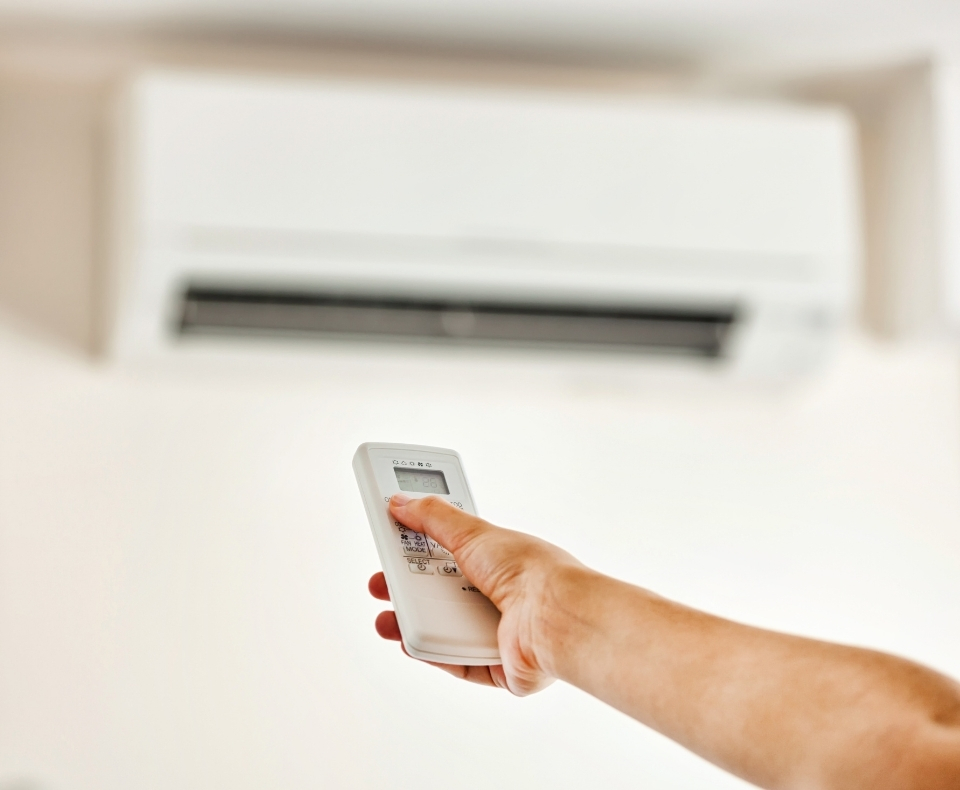
The thermostat is the first thing to check when your AC will not turn on. If it is set incorrectly, has weak batteries, or is not communicating with the system, the air conditioner may not start at all.
Check that:
- The thermostat is set to “cool”
- The temperature is set below the current room temperature
- The display is on
- The batteries are not dead
- The schedule is not overriding your setting
- The fan setting is not causing confusion
- The thermostat is firmly attached to the wall plate
If the thermostat screen is blank, replace the batteries if your model uses them. If the display still does not turn on, the thermostat may have lost power from the HVAC system.
2. Make Sure the Indoor Unit Has Power
Your AC system needs power at both the indoor and outdoor equipment. If the indoor unit has no power, the blower and control board may not operate, even if the outdoor unit is fine.
Look for:
- A switched power outlet near the furnace or air handler
- A service switch that may have been turned off
- A tripped HVAC breaker
- A loose access panel on the indoor unit
- A furnace door safety switch that is not engaged
Some indoor units have a safety switch that prevents operation if the access panel is not closed properly. Make sure the panel is secured before resetting anything.
3. Check the Circuit Breaker
A tripped breaker is a common reason an AC will not start. Your electrical panel may have separate breakers for the indoor air handler and outdoor condenser.
If the breaker is tripped, switch it fully off, then back on once. Do not keep resetting it repeatedly.
A breaker may trip because of:
- Electrical overload
- Short circuit
- Failing capacitor
- Compressor problem
- Fan motor issue
- Loose wiring
- Dirty condenser coil causing overheating
If the breaker trips again after reset, stop using the system and call a professional. Repeated breaker trips are not normal and can indicate a serious electrical issue.
4. Inspect the Outdoor Disconnect
The outdoor condenser usually has a disconnect box mounted near the unit. This allows technicians to shut off power during service. If the disconnect is off, loose, or not seated correctly, the outdoor unit may not start.
Homeowners can visually check whether the disconnect box is closed and appears normal. Do not open or handle electrical components inside the disconnect if you are not trained.
Call a technician if:
- The box looks damaged
- You see signs of overheating
- The outdoor unit hums but does not start
- The breaker trips when the AC tries to run
- There is a burning or electrical smell
Electrical components should be treated carefully because they can be dangerous even when the system appears off.
5. Check the Air Filter
A dirty air filter usually causes weak cooling, but in some cases it can contribute to system shutdown. Restricted airflow can cause the evaporator coil to freeze or the system to overheat, triggering safety controls.
A clogged filter can lead to:
- Poor airflow
- Frozen evaporator coil
- Longer runtimes
- Water leaks after thawing
- System shutdown
- Reduced comfort
If the filter is dirty, replace it. Then check whether the system starts after the coil has fully thawed if freezing occurred. Do not run the AC if you see ice on refrigerant lines or the indoor coil.
6. Look for a Clogged Condensate Drain or Float Switch
Many AC systems have a float switch that shuts the system off when water backs up in the drain pan. This prevents water damage, but it can make the AC seem completely dead.
This is especially common in summer when the AC removes more humidity from indoor air. If the condensate drain line is clogged, water may collect and trigger the safety switch.
Signs of a drain or float switch issue include:
- Water near the indoor unit
- Full drain pan
- Musty smell
- AC suddenly shuts off
- Thermostat has power but cooling will not start
- Indoor unit is in an attic, closet, or ceiling area
If you see standing water, turn off the system and clean up the area. A technician can clear the drain line, inspect the pan, and confirm that the float switch is working correctly.
7. Check for Ice on the Refrigerant Line
If your AC will not turn on after poor cooling or weak airflow, the system may have frozen and shut down. Ice on the refrigerant line or indoor coil is a sign that something is wrong.
Common causes include:
- Dirty filter
- Dirty evaporator coil
- Low refrigerant
- Weak blower motor
- Blocked return air
- Closed vents
Turn the system off and allow it to thaw completely. This may take several hours. Do not chip ice off the coil or force the AC to run while frozen. If freezing happens again, professional diagnosis is needed.
8. Listen for Buzzing or Clicking
If the outdoor unit buzzes, clicks, or hums but does not start, the issue may involve the capacitor, contactor, compressor, fan motor, or electrical controls.
Possible causes include:
- Failed capacitor
- Bad contactor
- Compressor hard start problem
- Outdoor fan motor failure
- Loose electrical connection
- Control board issue
Capacitors help motors start and run. When a capacitor fails, the system may try to start but cannot. This is a common AC repair issue during hot weather because electrical parts are under heavier stress.
Do not open the outdoor unit or touch capacitors. They can hold electrical charge even after power is off.
9. Make Sure the Outdoor Unit Is Clear
An outdoor unit that is blocked by debris may overheat or shut down. While this may not always prevent startup, it can cause system failure during hot weather.
Check for:
- Leaves around the condenser
- Grass clippings on the coil
- Weeds growing too close
- Shrubs blocking airflow
- Debris inside the cabinet
- Bent condenser fins
Keep the area around the outdoor unit clear. The condenser needs open airflow to release heat properly. If the unit is very dirty or the fan is not spinning, schedule service.
10. Know When to Stop Troubleshooting
Basic homeowner checks are useful, but some AC problems require professional tools and training. If the system still will not turn on after checking the thermostat, breaker, filter, drain area, and outdoor unit, the issue is likely electrical, mechanical, or refrigerant-related.
Call for AC repair if:
- Breaker trips repeatedly
- Outdoor unit hums but does not start
- You smell burning or electrical odor
- AC starts and shuts off quickly
- Thermostat is on but system does not respond
- Float switch keeps shutting the system down
- Ice forms on refrigerant lines
- Outdoor fan is not spinning
- System stopped after weak cooling
- Water is leaking near the indoor unit
For homeowners who need diagnosis and repair, TAMCO provides air conditioning repair to identify why the AC will not start and restore safe cooling operation.
Final Thoughts
When an AC is not turning on, start with the safe checks: thermostat, batteries, breaker, service switch, filter, outdoor unit clearance, and signs of water near the indoor unit. These steps can sometimes solve the problem or help you explain the issue clearly to a technician.
If the breaker keeps tripping, the outdoor unit hums without starting, the float switch is triggered, or the system shows signs of electrical trouble, do not keep resetting or forcing the AC to run. A system that will not start may have a failed capacitor, clogged drain, wiring issue, blower problem, compressor trouble, or safety shutdown.
A quick checklist can help rule out simple causes, but repeated shutdowns and electrical symptoms should always be handled by a professional.