


 19 Aug 2026
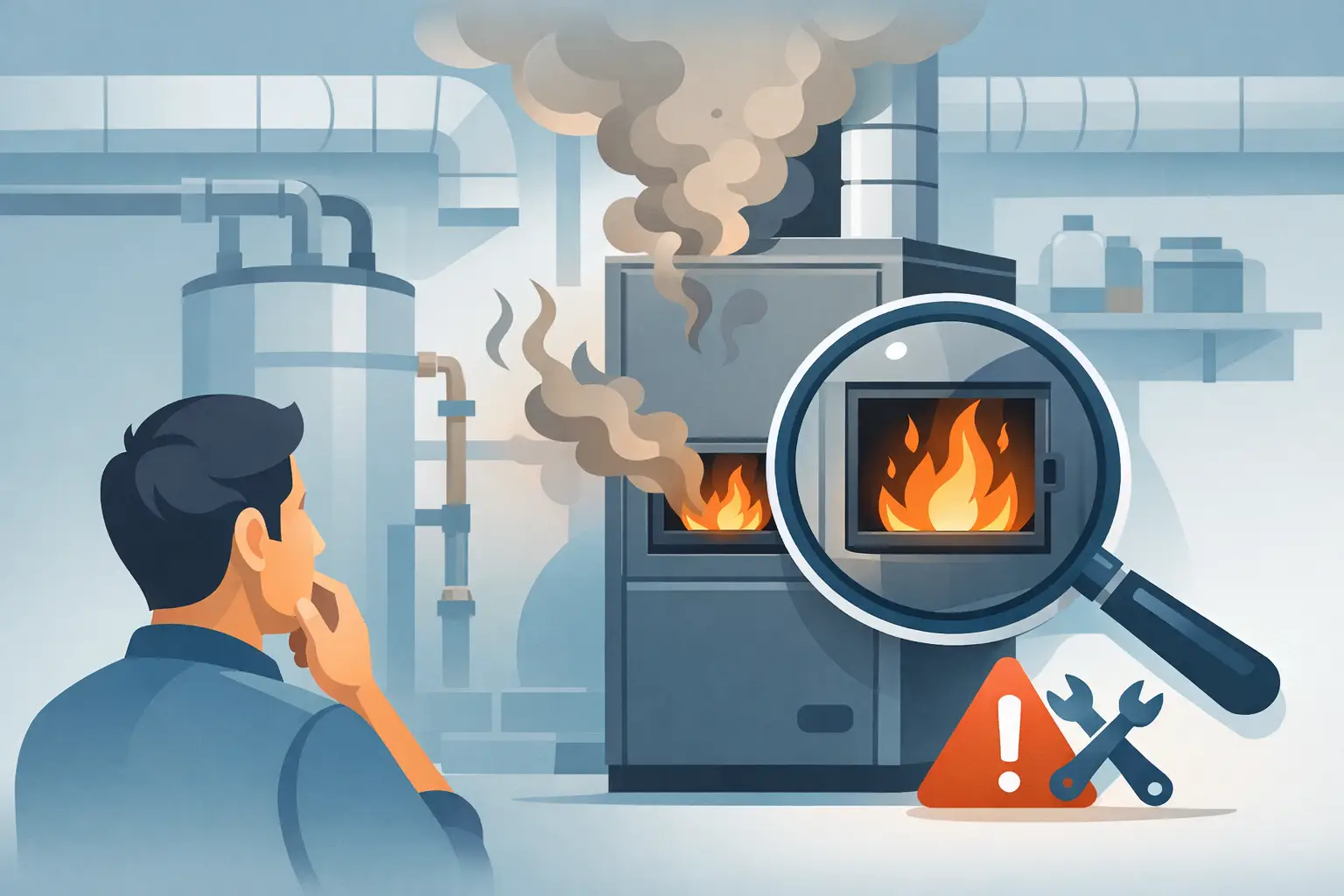
That first blast of heat on a cold New Jersey morning can carry an unpleasant surprise: a burning smell moving through the vents. If you are asking, “why does furnace smell burning,” the answer may be as simple as dust on the heat exchanger. It can also point to an electrical problem, an overheated component, or a condition that deserves immediate service.
The key is not to ignore the smell or assume every odor means the same thing. Pay attention to what it smells like, how long it lasts, whether you see smoke, and whether your furnace is heating normally. Those details help separate a common seasonal odor from a safety concern.
Why Does a Furnace Smell Burning When It First Turns On?
A dusty burning smell is common when you run your furnace for the first time each heating season. During spring, summer, and early fall, dust can settle on burners, the heat exchanger, and nearby internal surfaces. When the system heats up, that dust burns away and creates a dry, slightly smoky odor.
In most cases, this smell should fade within a few heating cycles or after a few hours of operation. Opening a window briefly can help clear the odor, especially if the home has been closed up for months. Replacing a dirty air filter before the season starts also reduces the dust circulating through the system.
There is a limit, though. A normal dust smell should not become stronger, continue day after day, produce visible smoke, or trigger burning eyes and throat irritation. If it does, turn the system off and schedule a professional inspection.
Burning Odors That Need Attention
Not all burning smells are alike. Describing the odor accurately when you call for service can help a technician narrow down the likely source more quickly.
Electrical or Burning Plastic Smell
A sharp smell similar to melting plastic, hot wiring, or an overheated appliance is never something to dismiss. Furnaces rely on electrical connections, control boards, capacitors, blower motors, and wiring. A loose connection or failing part can overheat and create this odor.
Turn the furnace off at the thermostat. If the smell remains strong, smoke is visible, or you hear buzzing or popping, shut off power to the furnace at the breaker if it is safe to do so. Then call for HVAC service. Continuing to run the equipment can damage components and may create a fire risk.
Burning Rubber or Hot Motor Smell
Your furnace blower motor pushes warm air through the ductwork. When the motor is failing, overheating, or struggling against restricted airflow, it can produce a hot mechanical or burning-rubber smell. A worn belt in an older system can create a similar odor.
A clogged filter is a simple but common contributor. Restricted airflow makes the blower work harder and can cause the furnace to overheat and shut down. Check the filter only after turning the system off. If it is visibly dirty, replace it with the correct size and type. If the odor returns after a filter change, the system needs diagnosis rather than guesswork.
Burning Oil or Smoke Odor
Oil-fired heating equipment may produce an oily smell when there is a burner issue, fuel leak, or combustion problem. Any ongoing smoke smell deserves prompt professional attention. Do not try to adjust fuel-burning components yourself.
For gas furnaces, a sulfur or rotten-egg odor is different from a burning smell, but it is equally urgent. Leave the building, avoid switches, flames, and electronics, and contact your gas utility or emergency services from a safe location. Do not reenter until you have been told it is safe.
Musty Odor Mixed With Burning Dust
Sometimes the smell is not coming from the furnace alone. Dust, pet hair, debris, or even an object near a supply register can heat up when warm air starts moving. A musty odor may also indicate moisture or microbial growth in ductwork, a humidifier, or the air handler.
The right solution depends on the source. Replacing the filter and checking visible registers may help, but persistent odors call for a full HVAC evaluation. Indoor air quality issues are easier to solve when the underlying moisture, airflow, or cleanliness problem is identified first.
When to Turn the Furnace Off Immediately
A brief dusty odor is usually manageable. The following signs are not a wait-and-see situation:
- The smell is electrical, chemical, melting plastic, or burning rubber.
- Smoke is coming from the furnace, vents, or electrical panel.
- The furnace repeatedly shuts off, makes loud noises, or trips a breaker.
- You see soot, scorch marks, melted insulation, or damaged wiring near the unit.
- A carbon monoxide alarm activates, or anyone in the building feels dizzy, nauseated, unusually tired, or has a headache.
Carbon monoxide has no smell, so a burning odor does not confirm its presence. Every home with fuel-burning equipment should have working carbon monoxide detectors installed according to local requirements. If an alarm sounds, get everyone outside immediately and call emergency services or the appropriate utility provider.
For commercial buildings, act quickly to protect occupants and limit downtime. Shut down the affected HVAC equipment, follow your building safety procedures, and arrange an inspection before restarting it. A small electrical issue can become a more expensive repair when a rooftop unit, furnace, or air handler is left running under stress.
Simple Checks Homeowners Can Make Safely
Before calling, there are a few safe observations that can be helpful. Check whether the odor began on the first heating cycle of the season or appeared suddenly after the furnace had been running normally. Notice whether it is strongest near the furnace, at a specific vent, or throughout the building.
You can also inspect the air filter and confirm that supply and return vents are not blocked by furniture, storage boxes, or rugs. Do not remove furnace panels, touch wiring, or try to clean burners or electrical parts. Modern furnaces have safety controls, but they still require trained diagnosis when overheating or burning odors are involved.
If you have recently had renovation work done, dust from drywall, flooring, paint, or construction materials can circulate through the system and create odors when heat is turned on. In that situation, a filter replacement and system cleaning may be appropriate. However, a true melting or electrical smell still requires service right away.
Preventing Burning Furnace Smells
The most effective prevention is regular maintenance before the heating season begins. A professional tune-up checks airflow, burners, ignition, electrical connections, the blower assembly, safety controls, venting, and overall system performance. It also gives technicians a chance to spot worn components before they fail on a cold night.
Between service visits, replace filters on schedule based on the filter type, household conditions, pets, and system use. Keep the area around the furnace clear of paint, cardboard, cleaning supplies, gasoline, and other stored items. Combustible materials should never be kept near heating equipment.
For older furnaces, recurring odors can be a sign that repair costs and reliability are becoming a concern. Repair may still be the practical choice when the problem is isolated and the equipment is otherwise in good condition. If the unit has frequent breakdowns, uneven heating, rising energy bills, or obsolete parts, a replacement consultation can provide a clearer long-term answer.
Get a Clear Answer Before Restarting Your Heat
A furnace odor is one of those problems where the details matter. A short-lived dust smell may be normal. A smell that is sharp, persistent, smoky, or paired with performance problems is a reason to stop using the system and have it checked.
Tamco Air provides heating diagnostics and furnace service for homeowners and property managers who need dependable answers without unnecessary delay. When your heat should feel reassuring, not questionable, a qualified inspection can help you restore comfort and move forward with confidence.