


 02 Sep 2026

A failed air conditioner during a New Jersey heat wave or a furnace that stops on a cold night creates pressure to hire the first company that answers the phone. Fast service matters, but so does who enters your home or facility and works on equipment that affects comfort, air quality, electrical safety, and utility costs. Choosing licensed insured HVAC technicians gives you a stronger starting point for repairs, replacements, and new system work.
Credentials are not just a line on a truck or a website. They help protect the property owner, set expectations for professional work, and make it easier to move forward with permits, inspections, warranties, and manufacturer requirements when they apply. For homeowners, that means more confidence in a major investment. For property managers, builders, and business owners, it means fewer avoidable disruptions and clearer accountability.
Why Licensed Insured HVAC Technicians Matter
Heating and cooling systems are connected systems, not stand-alone appliances. A technician may be working with high-voltage electrical components, gas connections, refrigerant, condensate drainage, ventilation, controls, and ductwork. A mistake in any one area can affect performance, safety, or the life of the equipment.
Licensing requirements vary by trade, scope of work, and municipality. In practical terms, hiring a properly licensed HVAC contractor helps confirm that the company is qualified to perform the work it represents, particularly when a project involves installation, replacement, design, or permits. It also gives you a business to hold accountable if questions arise after the job is complete.
Insurance addresses a different risk. General liability coverage can help protect against property damage or injury connected to the work. Workers’ compensation coverage is also significant when technicians are working at your home, on a rooftop, in a mechanical room, or around occupied commercial space. Without appropriate coverage, an accident can become a property owner’s problem instead of the contractor’s responsibility.
Certification is another useful signal, especially for refrigerant handling and manufacturer-specific equipment. It does not replace a required license or insurance, but it can indicate additional training. The strongest choice is a contractor that can explain its qualifications plainly and provide documentation when requested.
What Credentials Do and Do Not Guarantee
A license and insurance policy do not automatically mean every contractor delivers the same service experience. They are the baseline, not the finish line. A well-qualified company should also diagnose the actual issue, explain options in understandable terms, protect the work area, size replacement equipment correctly, and stand behind its labor.
This matters because the lowest estimate can leave out essential work. A replacement quote may not include electrical upgrades, proper condensate management, duct modifications, permits, thermostat compatibility, or removal of old equipment. Those details affect both the final price and the system’s operation.
On the other hand, a higher quote is not automatically better. Ask what is included, why a recommendation is being made, and how the contractor arrived at the proposed capacity or design. A dependable HVAC partner should be comfortable discussing trade-offs without pushing equipment you do not need.
For example, a basic repair may be the smart decision when a newer unit has a minor component failure. If an older system needs repeated repairs, uses outdated refrigerant, or cannot keep rooms comfortable, replacement may offer better value. The right recommendation depends on equipment condition, repair history, energy use, budget, and how long you plan to own the property.
How to Verify an HVAC Contractor Before Work Begins
You do not need to become an HVAC expert to make a sound hiring decision. A short conversation before scheduling can reveal whether a company is organized, transparent, and prepared for the type of work you need.
For a repair, ask who will perform the diagnosis and whether the service call includes a written explanation of findings. For a replacement or installation, ask whether the contractor will inspect the site, evaluate existing ductwork or electrical conditions, and discuss permits where required. A quote created without looking at the installation conditions may overlook costly details.
When comparing companies, request the following information:
- Current licensing information appropriate to the work being performed.
- Proof of general liability insurance and workers’ compensation coverage.
- A written estimate that identifies equipment, labor, materials, exclusions, and warranty terms.
- A clear explanation of permit and inspection responsibilities, if applicable.
- References, ratings, or examples of similar residential or commercial projects.
It is reasonable to ask for this information. Professional contractors expect it, especially for larger projects. Be cautious if a company avoids questions about coverage, refuses to put scope and pricing in writing, or pressures you to decide before your questions are answered.
The Value of Properly Managed HVAC Installation
Installation quality has as much influence on comfort as the brand name on the equipment. An efficient air conditioner can still struggle if it is oversized, undersized, poorly drained, improperly charged, or connected to leaky ductwork. A furnace may run reliably for years when venting, gas connections, airflow, and controls are handled correctly. Poor installation can shorten equipment life and make even premium systems disappointing.
A qualified contractor starts with the property, not a one-size-fits-all answer. In a home, that may mean reviewing room temperatures, insulation, window exposure, duct condition, and thermostat location. In a commercial building, the assessment can include occupancy patterns, rooftop access, zoning, ventilation needs, equipment redundancy, and the need to keep operations running during the work.
New construction and major renovations need even more coordination. HVAC design must work with framing, electrical, plumbing, ceilings, and architectural plans. Ductless mini-split systems can be an excellent option for additions, older homes, converted spaces, and targeted comfort issues, but placement and sizing still matter. The right approach depends on the building and the goal, not on a single product category.
Insurance Protection Is Especially Important for Complex Work
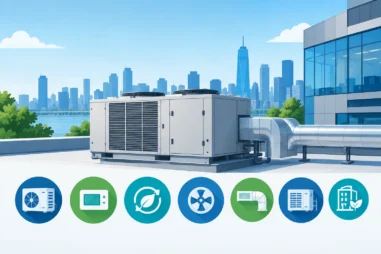
The stakes rise when work involves a rooftop unit, a multi-zone installation, a commercial mechanical room, or a system replacement in an occupied building. These projects require planning beyond the equipment itself. Technicians may need to coordinate access, protect finished spaces, manage lift equipment, isolate work areas, and schedule around tenants, customers, or staff.
Insurance and professional project management give property owners a better framework for handling those risks. They also help distinguish established contractors from informal operators offering work at a price that may seem attractive until something goes wrong.
For commercial customers, ask about the contractor’s experience with your building type. A small office, apartment community, retail space, restaurant, and warehouse can have very different heating, cooling, ventilation, and operating demands. A company that understands the setting is more likely to plan work that limits downtime and supports long-term maintenance.
After the Service Call: What Good HVAC Work Looks Like
The value of hiring licensed insured HVAC technicians continues after the repair or installation is finished. You should receive a clear record of what was done, the equipment installed or parts replaced, and any recommendations that need attention later. For replacement work, keep permit records, warranty information, manuals, and maintenance documentation in one place.
Pay attention to how the system performs over the following days. It should start and stop normally, maintain consistent temperatures, drain properly, and operate without unusual odors, loud noises, or repeated breaker trips. Contact the contractor promptly if something seems off. Early follow-up is usually easier than waiting until a small concern becomes an emergency.
Routine maintenance also protects the investment. Filter changes, coil cleaning, drain inspections, combustion checks, electrical testing, and airflow adjustments can catch problems before they lead to lost heating or cooling. The ideal maintenance schedule depends on the equipment, indoor air conditions, occupancy, pets, and how hard the system runs.
Tamco Air serves New Jersey homeowners and commercial property owners with certified, insured service for everyday repairs and complex HVAC projects. Whether you need urgent help, a second opinion, a system design consultation, or a replacement estimate, choose a contractor that is ready to explain the work and stand behind it.
Comfort should not depend on guesswork. Before approving your next HVAC job, take a few minutes to verify credentials, review the written scope, and ask what will protect your property after the technicians leave.