25 Oct 2026

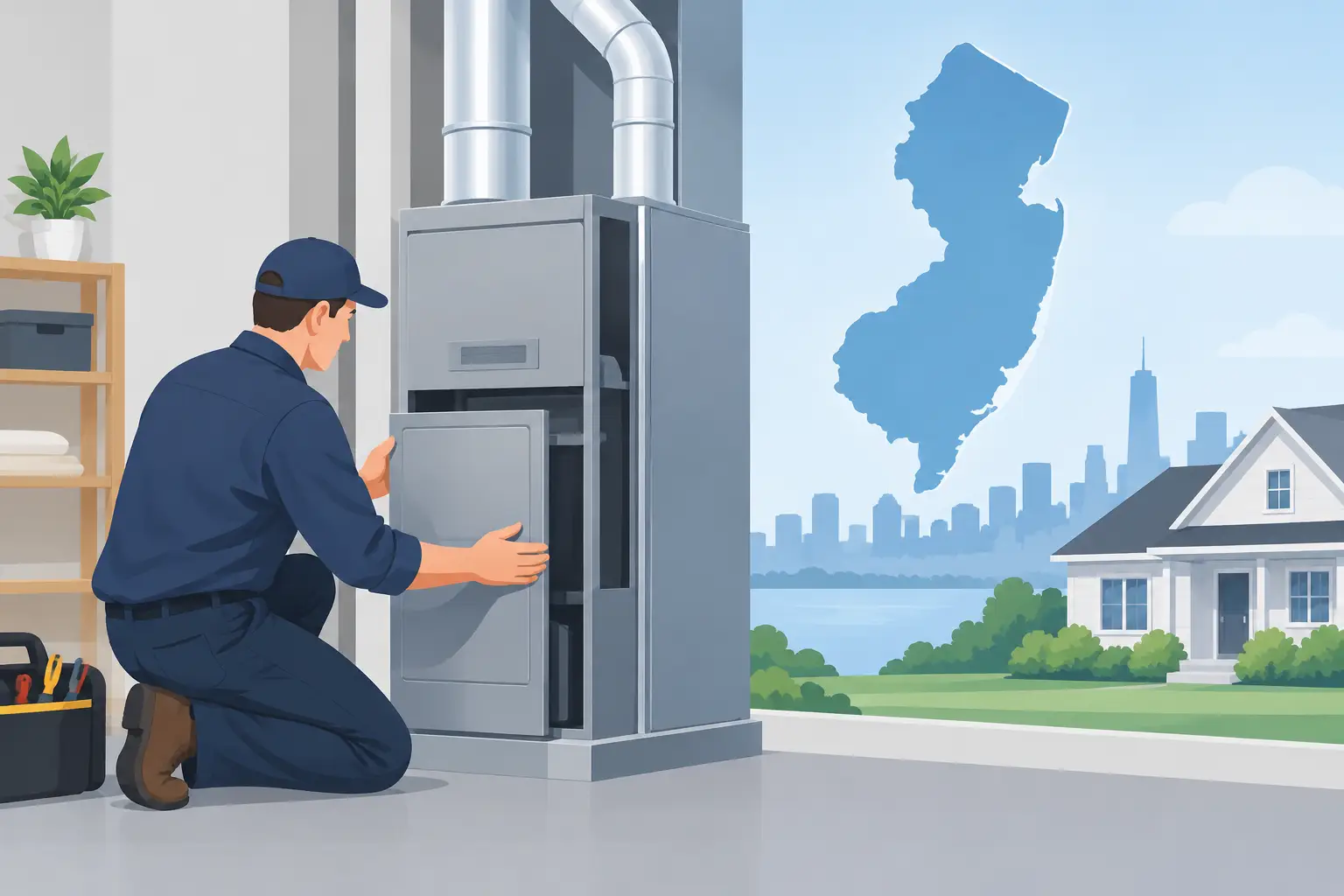
A furnace rarely fails at a convenient time. It starts with uneven heat, a new rattling sound, or a repair that costs more than expected. This guide to furnace replacement helps New Jersey homeowners and property managers make a clear decision before a cold-weather breakdown turns into an emergency.
Replacing a furnace is not simply a matter of choosing the highest efficiency rating or the lowest estimate. The right system must match the building, existing ductwork, fuel source, budget, and the comfort expectations of the people using the space. A properly planned replacement can lower operating costs, improve room-to-room comfort, and provide more dependable heat for years.
When Furnace Replacement Makes More Sense Than Repair
A repair is often the right answer when a furnace is relatively new and the issue is isolated. A failed igniter, thermostat problem, or worn blower component does not automatically mean the whole system needs to be replaced. The condition of the equipment matters more than one service call.
Replacement deserves serious consideration when the furnace is 15 to 20 years old, needs frequent repairs, struggles to maintain temperature, or has become expensive to operate. Older units may have lower efficiency ratings and parts that are harder to source. If a major component such as the heat exchanger fails, replacement is commonly the safer and more practical path.
Watch for changes in comfort, not just complete breakdowns. Cold bedrooms, loud startup cycles, dry indoor air, rising utility bills, and short cycling can all point to an aging system or a furnace that was never properly sized for the property. For commercial spaces, inconsistent heating across offices, apartments, or tenant areas can also create avoidable complaints and downtime.
A professional inspection provides the information needed to compare repair and replacement honestly. The goal is not to replace equipment prematurely. It is to avoid putting significant money into a furnace that is near the end of its useful life.
A Guide to Furnace Replacement: Start With the Right Size
The most common furnace replacement mistake is assuming the new unit should have the same capacity as the old one. Older systems were often oversized, particularly after insulation upgrades, window replacements, additions, or air-sealing work. A larger furnace is not automatically better.
An oversized unit may heat the space quickly but shut off before air circulates evenly. This short cycling can increase wear, create temperature swings, and reduce comfort. An undersized furnace may run too long during severe weather and fail to keep up with heating demand.
The correct approach is a load calculation. A qualified HVAC professional evaluates square footage, ceiling height, insulation, window exposure, duct layout, occupancy, and local climate conditions. In New Jersey, winter design temperatures and the property’s ability to retain heat both matter. A well-insulated newer home and a drafty older home of the same size can require very different equipment.
For multi-family and commercial properties, sizing may also involve zoning, tenant schedules, ventilation requirements, and the heat generated by people, lighting, and equipment. These details are why a site visit is more valuable than a furnace recommendation based only on square footage.
Choose the Furnace Type and Efficiency Level
Most furnace replacements involve a gas furnace, but the available options depend on the property and utility service. Natural gas is common throughout New Jersey, while some homes use propane or oil. A replacement project may also be the right time to consider whether a heat pump, dual-fuel setup, or ductless solution would better serve certain rooms or additions.
Gas furnace efficiency is measured by Annual Fuel Utilization Efficiency, or AFUE. A furnace with a 95% AFUE rating converts approximately 95% of its fuel into usable heat under standardized testing conditions. Higher-efficiency equipment can reduce fuel use, but it typically costs more upfront and may require changes to venting and condensate drainage.
For many properties, a mid-efficiency furnace is a sensible fit. For others, especially homes with high heating demand or owners planning to stay long term, a high-efficiency condensing furnace may deliver better value over time. The best choice depends on installation requirements, local fuel costs, expected usage, and the condition of the existing system.
You should also consider how the furnace operates. Single-stage models run at full capacity when they are on. Two-stage and variable-speed systems can run at lower output for longer periods, which often improves temperature consistency and can operate more quietly. Variable-speed blower motors can also support better airflow and work well with compatible cooling equipment.
Look Beyond the Furnace Cabinet
A new furnace can only perform as well as the system around it. Before installation, the contractor should inspect the ductwork, return-air pathways, filter setup, flue or venting, gas line, electrical connections, thermostat, and condensate drain where applicable.
Ductwork issues are especially common in older homes. Leaky, undersized, disconnected, or poorly balanced ducts can waste heated air and leave certain rooms uncomfortable. Replacing the furnace without addressing major airflow problems may leave you with a new unit and the same comfort complaints.
The return-air side deserves equal attention. Furnaces need enough return airflow to operate safely and efficiently. A restrictive filter cabinet, undersized return duct, or blocked grille can strain the blower and limit performance. This is also a good time to discuss indoor air quality options such as improved filtration, humidification, or ventilation, depending on the building’s needs.
If the air conditioner is older, ask whether replacing it at the same time makes financial and operational sense. A furnace and central air system share the blower and air distribution system. Installing matched equipment can improve efficiency and may prevent the disruption of opening the system again in a few years. Still, if the cooling system is in good condition and compatible, replacing only the furnace can be the right choice.
Understand What a Complete Estimate Should Cover
A useful furnace replacement estimate explains more than the equipment price. It should identify the furnace model and efficiency level, expected scope of installation, required permits, disposal of the old equipment, warranty information, and any duct, venting, electrical, or thermostat work included.
Ask whether the estimate accounts for code requirements. High-efficiency furnaces may need PVC venting and a properly routed condensate line. Gas piping may need to be modified, and electrical components may need updating. These are not optional details. They affect safe operation and the final cost of the project.
For homeowners, it is wise to compare the scope of work rather than only comparing the bottom-line number. A lower quote may omit permit handling, duct modifications, startup testing, or equipment registration. For property managers and commercial owners, clarify scheduling, access requirements, tenant communication, and how the contractor will limit disruption to occupied spaces.
Financing, manufacturer offers, utility incentives, and tax credits may be available depending on the equipment and timing. Eligibility changes, so confirm current requirements before making a decision rather than relying on an old advertisement or estimate.
Plan for Installation Day
A standard residential furnace replacement can often be completed in one day when the job is straightforward. More complex work, including duct changes, new venting routes, conversions, or commercial installations, may take longer. The contractor should set expectations before work begins.
Clear a path to the mechanical area and remove stored items near the furnace. If the unit is in an attic, crawl space, or utility closet, access can affect both timing and labor. Plan for pets, children, tenants, or employees to remain away from the work area while equipment is being removed and installed.
At the end of the job, the installer should test the system, confirm safe operation, review thermostat use, and explain filter maintenance. Keep the model and serial numbers, warranty documents, and service records in an accessible place. Regular maintenance and timely filter changes protect the investment and help the furnace operate as intended.
Choose a Contractor Who Evaluates the Whole System
Furnace replacement is a long-term comfort decision, not a box swap. Look for a licensed, insured HVAC contractor that can perform a detailed assessment, explain options in plain language, and stand behind the installation with clear labor warranty coverage. Fast scheduling matters when heat is unreliable, but careful design and workmanship matter long after installation day.
Tamco Air helps New Jersey homeowners, property managers, and commercial clients evaluate replacement options with practical recommendations, certified technicians, and responsive scheduling. A free estimate should leave you with a clearer understanding of the equipment, the work required, and the expected result.
The right furnace is the one that fits your property, operates safely, and keeps the people inside comfortable when the temperature drops. Planning before the old system quits gives you more choices and a better chance of getting that result.