


 13 Aug 2026
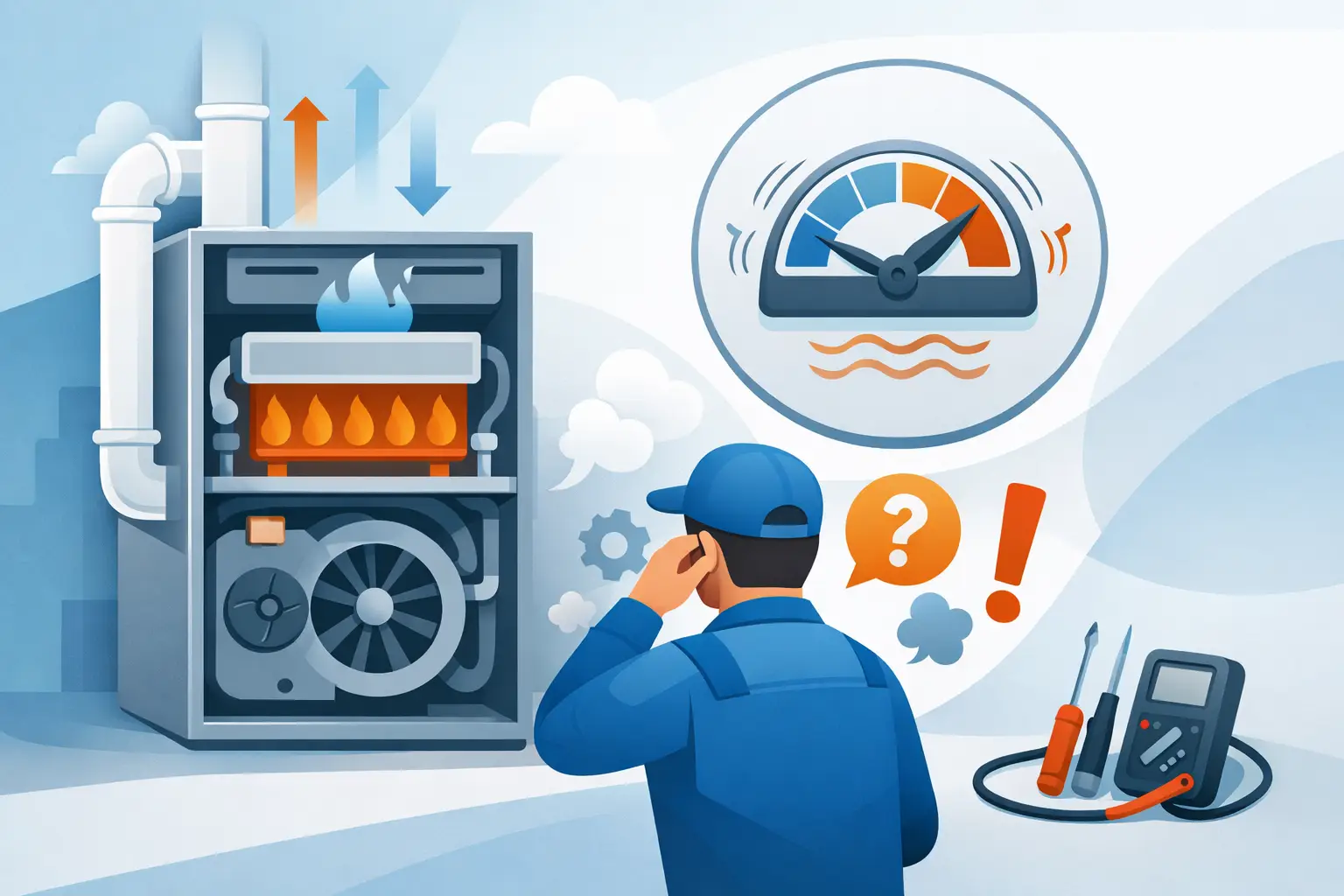
A furnace that starts, runs for a few minutes, shuts off, and then starts again is not being efficient – even if your home eventually feels warm. This pattern, called furnace short cycling, can raise utility costs, create uneven temperatures, and put unnecessary wear on parts that are expensive to replace.
A properly operating furnace should run long enough to deliver heat steadily throughout the home before shutting down. The exact runtime depends on outdoor temperature, insulation, thermostat settings, and system size. On a cold New Jersey day, it is normal for a furnace to cycle more often. What is not normal is repeated, very short runs of two to five minutes, especially when rooms remain chilly or the system restarts several times in an hour.
What Furnace Short Cycling Means for Your System
Every heating cycle requires the furnace to ignite, engage its blower, and move warm air through the ductwork. Those startup events place more stress on the ignition system, blower motor, electrical components, and safety controls than steady operation does. When they happen too frequently, small problems can turn into a no-heat call at the worst time.
Short cycling also limits comfort. The thermostat may be satisfied quickly because the air near it warms up, while bedrooms, upper floors, or areas farther from the furnace never receive enough heat. For commercial properties, the same issue can lead to cold offices, tenant complaints, and systems that consume more energy without maintaining consistent conditions.
The cause matters. Some cases are simple maintenance issues a homeowner can check safely. Others involve combustion, venting, electrical controls, or equipment sizing and should be diagnosed by a licensed HVAC technician.
Common Causes of Furnace Short Cycling
A dirty or restricted air filter
Restricted airflow is one of the most common reasons a furnace shuts down early. A clogged filter makes it harder for the blower to move air across the heat exchanger. Heat builds up inside the unit, and the high-limit safety switch may shut the burners off to prevent overheating.
Check the filter first. If it looks gray, packed with dust, or has not been changed within the manufacturer’s recommended interval, replace it with the correct size and type. Avoid using an overly restrictive filter if your system was not designed for it. High-MERV filters can improve particle capture, but they can also reduce airflow when the equipment, ductwork, or return-air setup is not adequate.
A clean filter may not solve the problem if the blower wheel, indoor coil, return grilles, or ductwork are also restricted. That is where a professional airflow inspection becomes useful.
A thermostat in the wrong location or with the wrong settings
Your thermostat controls the entire heating cycle, so its location matters more than many people realize. A thermostat installed near a supply vent, sunny window, fireplace, kitchen, or exterior door can sense heat or cold that does not reflect the temperature in the rest of the home.
For example, a nearby supply register can warm the thermostat quickly. The furnace shuts off, but distant rooms are still cold. The thermostat then senses the cooler average air again and calls for heat shortly afterward.
Before assuming the furnace has failed, make sure the thermostat is set to Heat, the fan setting is on Auto, and the programmed temperature is reasonable. Replace batteries if applicable. If the display is blank, inaccurate, or unresponsive, leave further wiring or calibration work to a technician.
Overheating from an airflow or blower problem
A furnace has safety controls designed to stop overheating. If the high-limit switch trips repeatedly, the burners may shut off while the blower continues running. After the unit cools, the furnace may attempt another heating cycle.
Beyond a dirty filter, overheating can result from closed supply vents, blocked return vents, a failing blower motor, weak blower capacitor, dirty blower wheel, undersized ductwork, or a duct system with too many restrictions. Closing vents in unused rooms may seem like a way to save energy, but it can reduce airflow enough to create operating problems. Keep most supply and return vents open unless an HVAC professional has designed the system for zone control.
A dirty flame sensor or burner problem
Gas furnaces use a flame sensor to confirm that ignition has occurred. If the sensor is dirty or failing, the furnace may light briefly and shut down within seconds because the control board does not detect a stable flame. You may hear the furnace start, see flames appear, and then notice the burners turn off almost immediately.
A dirty flame sensor is often a routine repair, but it should not be confused with a do-it-yourself cleaning project for every homeowner. The furnace must be shut down and reassembled correctly, and the technician should also check ignition performance, burner condition, gas pressure, venting, and fault codes. A repeated flame failure can indicate more than one issue.
Blocked intake or exhaust venting
High-efficiency furnaces commonly use PVC pipes to bring in combustion air and vent exhaust outside. Snow, ice, leaves, nests, or other debris can obstruct these pipes. When venting is restricted, the furnace may shut down through a pressure switch or other safety control.
During winter, check the exterior vent terminations from the ground if they are safely accessible. Clear loose snow or visible debris around the openings, but do not insert tools deep into the pipes or alter the vent configuration. If the obstruction returns or the furnace still shuts off, schedule service. Combustion and venting problems need prompt attention.
An oversized furnace
A furnace that is too large for the building can heat the area near the thermostat very quickly, then shut off before warmth reaches the rest of the home. Oversizing is especially common after renovations, air-sealing upgrades, insulation improvements, or replacement installations where the new system was selected based only on the old unit’s capacity.
The solution is not always immediate replacement. A technician should first rule out thermostat, airflow, ductwork, and control issues. If equipment sizing is the real problem, the correct long-term answer may involve a load calculation, duct modifications, zoning, or replacement with properly sized equipment. For larger homes and commercial buildings, system design is often as important as the furnace itself.
Safe Checks to Make Before Calling for Service
There are a few practical steps you can take without opening the furnace cabinet or bypassing any safety device. Confirm that the thermostat is set correctly, replace a dirty filter, make sure supply and return vents are unobstructed, and check that exterior intake and exhaust openings are clear of snow or debris.
Also pay attention to the pattern. Does the system shut down after a few minutes with the blower still running? Does it ignite and stop within seconds? Does it happen only during very cold weather, or every time the furnace runs? These observations help a technician narrow the diagnosis faster.
Do not repeatedly reset the furnace, tape down a switch, remove panels while it is operating, or keep running a unit that has unusual odors, banging, soot, or visible water around it. Those signs require professional evaluation.
When Furnace Short Cycling Is an Urgent Problem
Turn the furnace off and seek immediate HVAC service if you smell gas, notice a burning or electrical odor, see soot around the unit or registers, or hear loud booming at ignition. If a carbon monoxide alarm sounds, get everyone outside, call emergency services, and do not re-enter until authorities say it is safe.
A furnace that short cycles without those warning signs still deserves timely service. Waiting can damage components and leave your property without heat when temperatures drop. For property managers, early service is particularly valuable because repeated cycling can affect multiple units, common areas, or business operations.
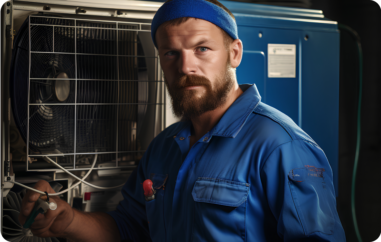
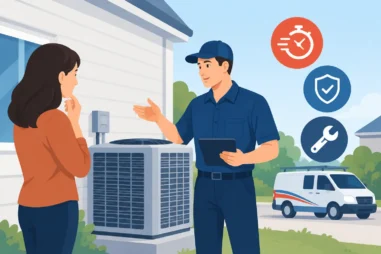
Tamco Air technicians can diagnose the full system rather than replacing parts based on guesswork. That includes checking airflow, safety controls, thermostat operation, combustion performance, venting, duct conditions, and whether the equipment is matched to the building’s heating needs.
Preventing Repeat Cycling Problems
Regular maintenance is the best way to catch the conditions that cause short cycling before they become a breakdown. A heating tune-up should include filter and airflow checks, burner and flame-sensor inspection, safety-control testing, electrical connections, condensate drainage where applicable, and a review of venting and system performance.
Homeowners can help between visits by changing filters on schedule, keeping vents clear, avoiding storage around the furnace, and paying attention when cycle lengths change. If your system begins running differently than it did last winter, it is worth scheduling a diagnostic visit before cold weather makes the issue more urgent.
Your furnace should provide steady, dependable heat – not start-and-stop frustration. A prompt diagnosis protects comfort now and helps your heating system deliver more reliable service through the season.