


 25 Apr 2026
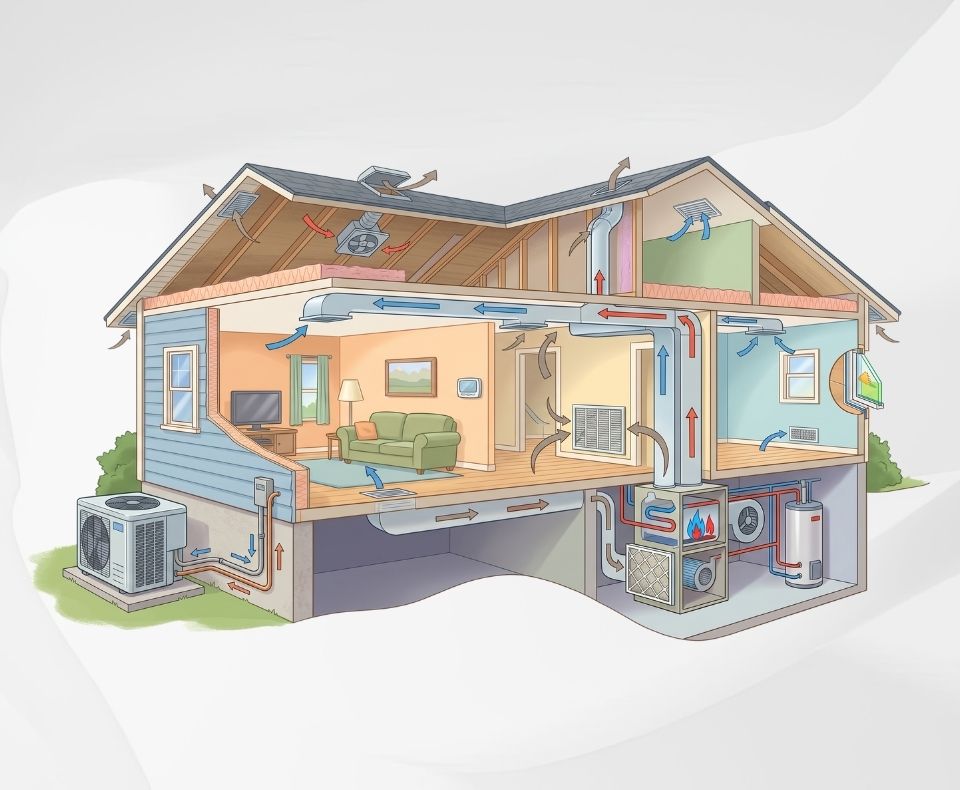
An HVAC system may seem complicated, but it’s really a combination of key components working together to control temperature, airflow, and indoor air quality. Understanding these parts helps homeowners better maintain their system, recognize problems early, and make smarter repair or replacement decisions.
In simple terms, an HVAC system includes everything responsible for heating, cooling, and circulating air throughout your home. Each component has a specific role, and when one part fails, the entire system can become less efficient.
As HVAC specialist Kevin Morales explains, “Most system issues don’t start with a total failure — they begin with one small component underperforming.” Knowing the basics helps you catch those issues early.
The Core Components of an HVAC System
Every HVAC system is built around several essential parts. While configurations may vary, most residential systems include the following components.
1. Thermostat
The thermostat is the control center of your HVAC system. It monitors indoor temperature and signals the system to turn on or off.
Modern thermostats can:
- Maintain precise temperature settings
- Run scheduled programs
- Adjust automatically based on usage patterns
- Connect to smart home systems
A faulty thermostat can cause inconsistent temperatures or prevent the system from running properly.
2. Heating Unit (Furnace or Heat Pump)
The heating component is responsible for generating warmth during colder months.
Common types include:
- Gas furnaces — use natural gas to produce heat
- Electric furnaces — use heating elements
- Heat pumps — transfer heat instead of generating it
The heating system works with the blower to distribute warm air throughout the home.
3. Air Conditioning Unit
The cooling component removes heat from indoor air and releases it outside. It typically includes:
- Outdoor condenser unit
- Indoor evaporator coil
- Compressor
- Refrigerant lines
This system operates during warmer months to maintain comfortable indoor temperatures.
4. Air Handler and Blower Motor
The air handler contains the blower motor, which moves air through the system.
Its role is to:
- Push air across heating and cooling components
- Circulate conditioned air through ductwork
- Maintain consistent airflow
Weak airflow or uneven temperatures often point to blower-related issues.
5. Ductwork
Ductwork acts as the distribution network for your HVAC system. It carries heated or cooled air from the system to different rooms.
A well-designed duct system:
- Delivers even airflow
- Minimizes energy loss
- Maintains consistent temperatures
Leaks or blockages in ducts can reduce efficiency and increase energy costs.
6. Air Filters
Air filters trap dust, dirt, and allergens before air enters the system. They protect internal components and improve indoor air quality.
Key points about filters:
- Should be replaced every 1–3 months
- Dirty filters restrict airflow
- Clean filters improve efficiency
Neglecting filters is one of the most common causes of HVAC problems.
7. Evaporator Coil
The evaporator coil is located inside your home and plays a key role in cooling. It absorbs heat from indoor air as refrigerant passes through it.
When air flows across the coil:
- Heat is removed
- Moisture condenses
- Air becomes cooler and drier
Dirty coils reduce performance and can cause freezing.
8. Condenser Coil
The condenser coil is located in the outdoor unit. Its job is to release the heat absorbed from inside your home.
The condenser works with:
- The compressor
- The condenser fan motor
- Outdoor airflow
If heat is not released properly, the entire system becomes less efficient.
9. Compressor
The compressor is often called the heart of the cooling system. It pressurizes refrigerant and moves it through the system.
Its main functions:
- Increase refrigerant pressure
- Enable heat transfer
- Keep the cooling cycle running
Compressor failure is one of the most expensive HVAC repairs, which is why proper maintenance is critical.
10. Condenser Fan Motor
The condenser fan motor powers the outdoor fan that removes heat from the system.
It helps:
- Cool the condenser coil
- Prevent overheating
- Maintain proper system pressure
If the fan motor fails, the system may overheat and shut down.
11. Refrigerant Lines
Refrigerant lines connect indoor and outdoor units, carrying refrigerant between them.
These lines allow:
- Heat absorption inside the home
- Heat release outside
- Continuous cooling cycle operation
Leaks in these lines reduce efficiency and require professional repair.
12. Condensate Drain System
As the system cools air, it also removes moisture. This water is collected and drained through a condensate line.
If this system becomes clogged, it can lead to:
- Water leaks
- Mold growth
- System shutdown
Regular maintenance prevents these issues.
How All Components Work Together
An HVAC system functions as a coordinated process rather than separate parts.
Here’s a simplified cycle:
- Thermostat detects temperature change
- System activates heating or cooling
- Air is pulled into the system
- Air is heated or cooled
- Blower distributes air through ducts
- Air returns to repeat the cycle
Each component depends on the others. Even a small issue — like a dirty filter — can affect overall performance.
Why Understanding Components Matters
Knowing the basic parts of your HVAC system helps you:
- Identify problems early
- Communicate clearly with technicians
- Perform simple maintenance tasks
- Avoid unnecessary repairs
- Make informed upgrade decisions
Homeowners who understand their systems tend to experience fewer unexpected breakdowns.
Common Issues Linked to Specific Components
Many HVAC problems can be traced back to specific parts:
- Weak airflow — clogged filter or blower issue
- No cooling — refrigerant or compressor problem
- Strange noises — fan motor or loose components
- Water leaks — clogged drain line
- Uneven temperatures — ductwork imbalance
Recognizing these patterns makes troubleshooting easier.
FAQ
- What are the main components of an HVAC system?
Thermostat, furnace or heat pump, air conditioner, ductwork, blower, coils, compressor, and air filter. - Which HVAC component fails most often?
Air filters and fan motors are the most common sources of issues due to wear and lack of maintenance. - Can I maintain HVAC components myself?
You can replace filters and keep vents clear, but most components require professional service. - Why is my HVAC system not working properly?
It could be due to airflow restrictions, dirty components, or failing parts like the compressor or motor. - How often should HVAC components be inspected?
At least once a year, ideally before heating or cooling seasons.