20 Nov 2026

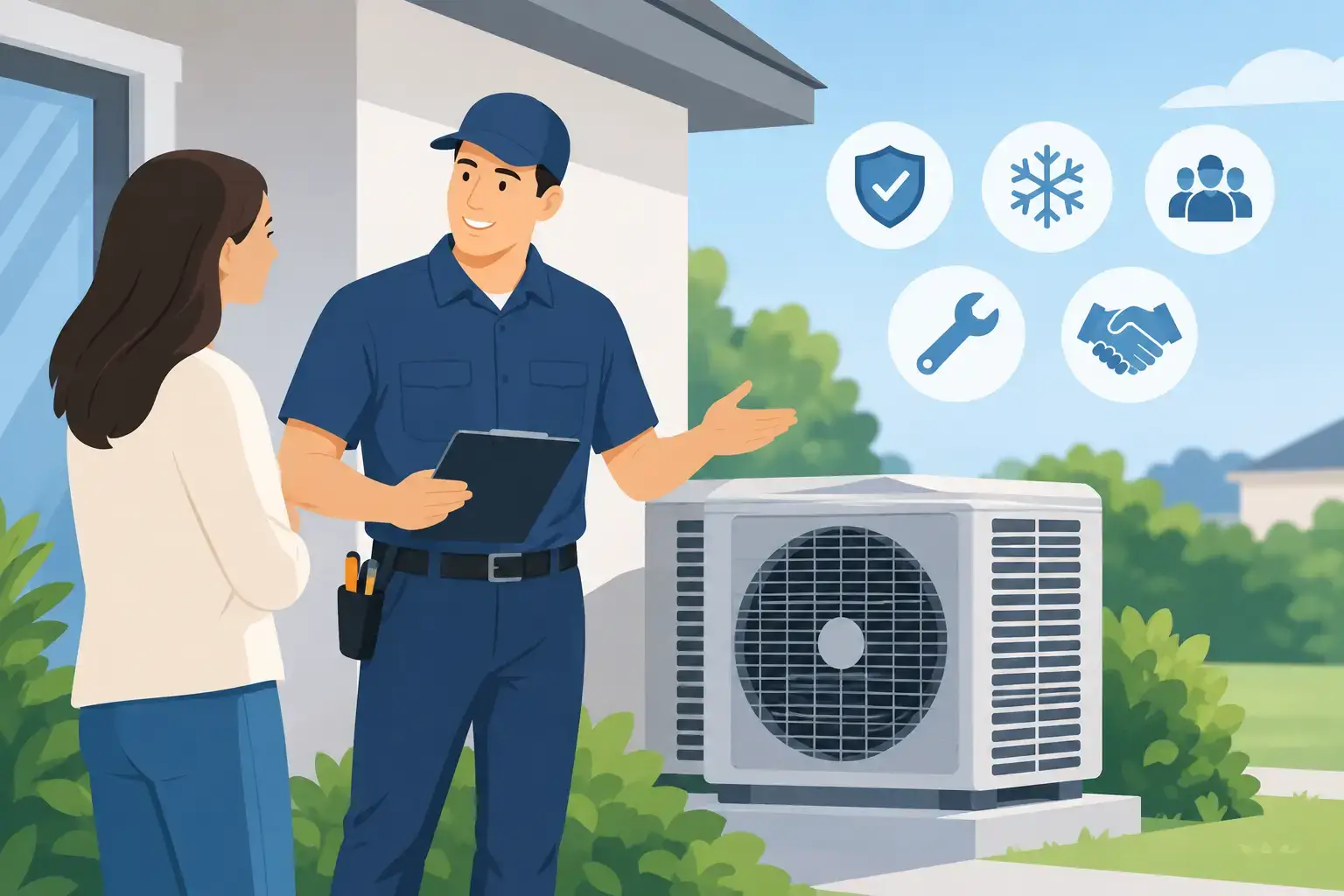
A failed air conditioner during a humid New Jersey afternoon is not the time to sort through vague promises and rushed quotes. The best air conditioning contractors make the process clearer from the first call: they ask the right questions, inspect the actual problem, explain practical options, and provide a clear path to restore comfort.
Whether you need an emergency repair, a full system replacement, or HVAC planning for a new building, the right contractor affects more than today’s temperature. Their work influences energy use, humidity control, equipment life, indoor air quality, and the likelihood of an unexpected breakdown when demand is highest.
What the Best Air Conditioning Contractors Do Differently
A dependable contractor does not begin with a one-size-fits-all recommendation. They begin with your property. For a homeowner, that means looking at the age and condition of the current equipment, ductwork, insulation, room comfort issues, and household needs. For a property manager or business owner, it also means understanding occupancy schedules, tenant comfort, equipment access, ventilation requirements, and the cost of downtime.
That assessment matters because an air conditioner can be technically functional and still be the wrong fit. An oversized system may cool a space quickly but leave too much humidity behind. An undersized system may run constantly, wear down faster, and struggle through a heat wave. A quality contractor considers capacity, airflow, controls, and the building itself before recommending equipment.
The difference also shows up after installation. Reliable contractors stand behind their labor, document the work, register applicable equipment warranties, and remain available if questions arise. Price matters, but the lowest quote can become expensive if it leaves out needed electrical work, duct modifications, permits, startup testing, or warranty coverage.
Start With Credentials and Local Experience
Before discussing models or pricing, verify that the contractor is properly licensed and insured for the work being performed. This protects you if an accident occurs and helps confirm that the company operates as a legitimate HVAC provider. Ask whether the technicians are certified and whether the company handles required permits and inspections.
Local experience is equally valuable in New Jersey. Homes and commercial buildings across Middlesex County and surrounding areas vary widely. Older houses may have aging duct systems, limited mechanical space, or uneven cooling between floors. New construction may need a complete HVAC design. Apartment buildings, offices, and retail spaces may need phased work that limits disruption to occupants and operations.
A contractor with broad experience can explain when a central system makes sense and when a ductless mini-split, multi-zone setup, or targeted air quality solution may be a better answer. The goal is not to sell the most equipment. It is to solve the comfort problem with a system that fits the property and budget.
Ask for an On-Site Evaluation, Not a Guess
A phone conversation is useful for scheduling service, but it is rarely enough for a replacement recommendation. Any contractor can estimate a price based on square footage alone. A professional recommendation should come after an on-site visit.
During that visit, pay attention to the questions being asked. A thorough technician will want to know whether certain rooms stay warmer, whether humidity is a problem, whether utility bills have climbed, how old the equipment is, and whether the system has needed repeated repairs. They should inspect filters, refrigerant lines, condensate drainage, electrical connections, outdoor equipment, and accessible ductwork.
For a replacement or new installation, the contractor should evaluate more than the existing unit’s size. The old system may have been oversized from day one, or changes to the home may have altered the cooling load. Additions, finished basements, new windows, attic insulation, and changes in occupancy can all affect what the building needs now.
Commercial projects require an even wider view. Rooftop units, zoning, fresh-air requirements, building controls, and operating hours must work together. A contractor that understands engineering support and project planning can help prevent expensive changes after work has started.
Compare Estimates by Scope, Not Just the Bottom Line
When you receive multiple estimates, compare what each contractor is actually offering. A lower total may reflect lower equipment efficiency, fewer included materials, limited labor coverage, or missing work that will appear later as an added charge.
A useful written estimate should identify the equipment being proposed, the scope of installation, and what is included in the price. It should also make clear whether permits, disposal of old equipment, electrical upgrades, thermostat installation, duct repairs, startup testing, and warranty terms are included.
Look for these four areas in particular:
- Equipment details, including the manufacturer, model, capacity, and efficiency rating.
- Installation work, including duct transitions, drain lines, electrical connections, pads, supports, and refrigerant piping.
- Warranty coverage for both equipment and labor, plus who to call if service is needed.
- Timing, including lead time, installation schedule, and whether emergency or next-day options are available.
If two estimates are far apart, ask why. There may be a valid reason, such as a higher-efficiency system, more extensive duct work, or a longer labor warranty. Clear answers are a good sign. Pressure tactics and vague descriptions are not.
Evaluate Communication Before You Commit
Air conditioning service is technical, but the explanation should not be confusing. The right contractor can tell you what failed, why it likely happened, what repair options are available, and when replacement may be the better financial decision.
For example, a repair can be the smart choice when the unit is relatively new, the issue is isolated, and the repair cost is reasonable. Replacement may be more sensible when an older unit has recurring failures, uses outdated refrigerant, has a major component failure, or can no longer cool efficiently. There is no automatic answer based on age alone. A good contractor explains the trade-off in plain language.
Responsiveness matters, too. During a summer outage, you need a company that answers calls, provides realistic scheduling, and communicates if parts or equipment must be ordered. For businesses, response time can protect tenants, inventory, staff productivity, and customer experience. Ask about emergency availability and how after-hours calls are handled before an urgent problem occurs.
Check Reviews With a Practical Eye
Reviews can help, but do not focus only on the star rating. Read for patterns. Customers often reveal whether a company arrives when promised, keeps work areas clean, explains options, honors warranties, and resolves issues after the job is complete.
Pay special attention to reviews involving projects similar to yours. A homeowner replacing a standard split system has different needs than a builder coordinating HVAC for a new home or a facility manager replacing rooftop equipment. You want evidence that the contractor has completed comparable work successfully.
It is also reasonable to ask for references on larger installations. A qualified contractor should be comfortable discussing relevant project experience without oversharing client information.
Choose a Contractor That Can Support the System Long Term
Installation day is only one part of owning an HVAC system. Filters need changing, condensate drains need attention, electrical components wear over time, and regular maintenance can catch small issues before they become a no-cooling call.
Choose a contractor that can provide ongoing repair and maintenance support, not just sell and install a unit. This is especially useful for commercial properties with multiple systems, where preventive planning can reduce surprise expenses and help schedule replacements before equipment fails at the worst possible time.
For homeowners, long-term support means having a trusted team that already understands the equipment, layout, and service history. Tamco Air provides residential and commercial HVAC support across New Jersey, from fast repairs and next-day installation to system design and complex project work.
The contractor you choose should leave you with more than a new air conditioner. You should have a clear understanding of the system, confidence in the workmanship, and a reliable number to call when comfort cannot wait.