27 Oct 2026

A furnace that quits during a Middlesex County cold snap or an air conditioner that cannot keep up with a July heat wave puts the question front and center: when to replace HVAC system equipment rather than keep paying for repairs. The right answer is not always based on age alone. A well-maintained system may have useful life left, while a newer unit with recurring failures, poor sizing, or rising energy use may be costing more than it is worth.
For homeowners and property managers, replacement is a major decision. It affects comfort, monthly operating costs, indoor air quality, and how confidently you can get through the next extreme-weather day. A qualified on-site evaluation can separate a repairable issue from a system that has reached the point where replacement is the smarter investment.
When to replace an HVAC system instead of repairing it
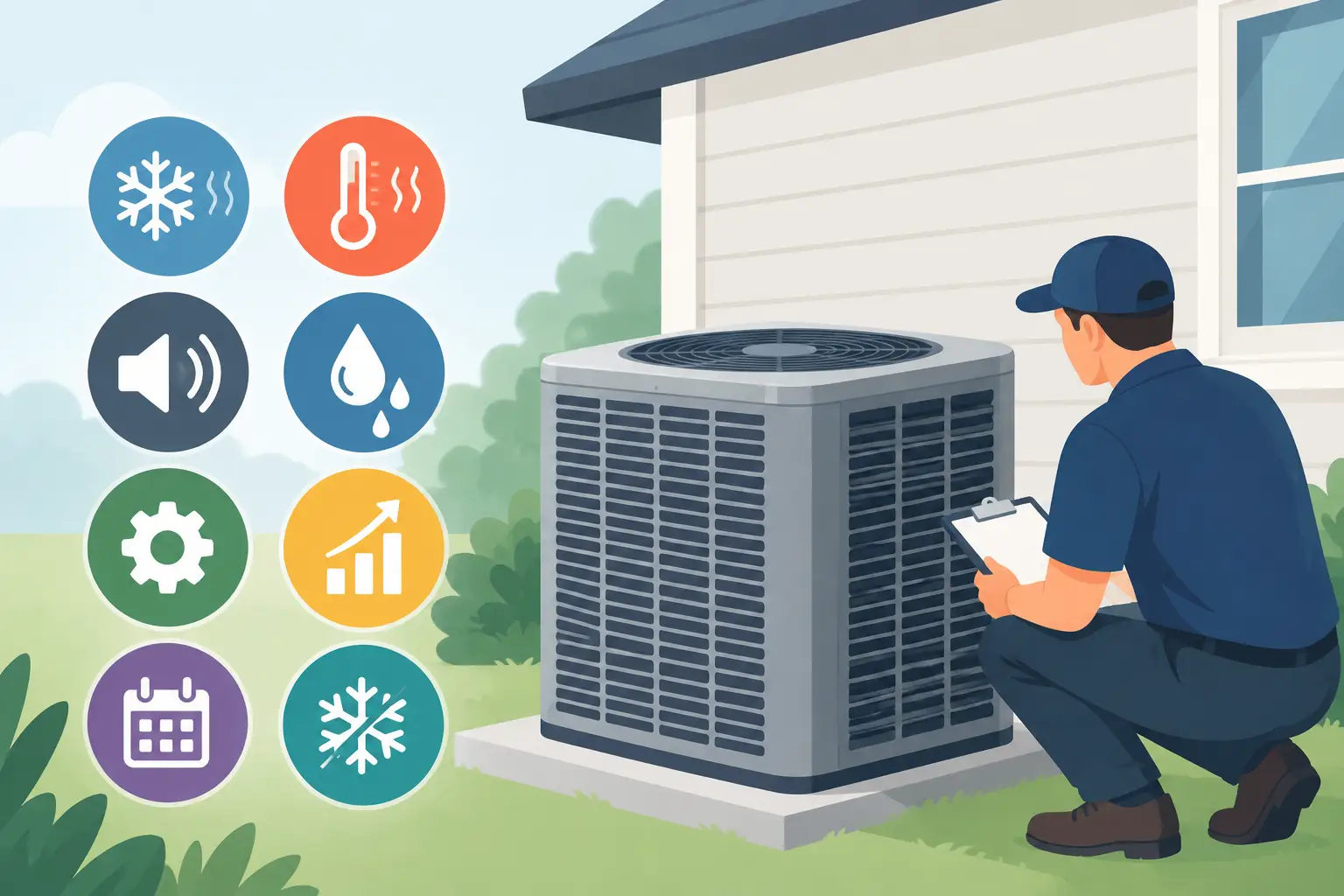
HVAC equipment does not fail on a neat schedule. Your furnace, air conditioner, heat pump, ducts, thermostat, insulation, and building layout all affect performance. Still, certain patterns point toward replacement, especially when more than one is happening at once.
1. The system is near or past its expected service life
Most central air conditioners and heat pumps last about 10 to 15 years. Furnaces often last 15 to 20 years, sometimes longer with consistent maintenance. Those ranges are not guarantees, but they are useful planning markers.
As equipment ages, parts become harder to source, efficiency falls behind current standards, and a single repair can lead to another. If an older system has been reliable and only needs a modest repair, fixing it may still make sense. If it is approaching the end of its typical lifespan and needs a major component, replacement deserves serious consideration.
2. Repairs are becoming frequent or expensive
One service call does not mean you need a new system. Motors, capacitors, contactors, igniters, and thermostats can fail on otherwise healthy equipment. The concern is a repeat pattern: emergency calls every season, multiple component failures, or repairs that do not restore dependable operation.
A practical guideline is to compare the repair cost with the remaining value and expected life of the unit. For an older system, a costly compressor, heat exchanger, or refrigerant-related repair may be better applied toward new equipment with a warranty. Your technician should explain the repair option clearly, including what it solves and what risks remain.
3. Your utility bills keep climbing
Higher bills can come from utility rates, air leaks, dirty filters, duct problems, or thermostat settings. But if your energy use rises while your habits stay about the same, declining HVAC efficiency may be part of the problem.
Older systems work harder to produce the same heating or cooling. A new properly matched system can reduce wasted energy, but savings depend on correct installation. Oversized or undersized equipment, poorly sealed ducts, and inadequate airflow can undermine even high-efficiency equipment. Replacement should begin with a full assessment, not a guess based on a high bill.
4. Rooms are consistently too hot, too cold, or too humid
Uneven temperatures are often blamed on the equipment, but the cause may be more specific. Closed or restricted vents, poorly balanced ducts, insufficient returns, insulation gaps, sun exposure, and additions to the home can all create comfort problems.
If the system runs constantly yet some rooms remain uncomfortable, it may be improperly sized for the space or no longer capable of meeting the load. For homes with difficult areas, a ductless mini-split or multi-zone solution can sometimes solve the problem without replacing every part of the existing system. The best option depends on the building and how each area is used.
5. The air quality has noticeably changed
Excess dust, persistent humidity, stale odors, and worsening allergy symptoms can signal more than a dirty filter. Aging equipment may have airflow issues, drain problems, duct leakage, or inadequate filtration. In cooling season, poor humidity control can make a home feel sticky even when the thermostat shows the right temperature.
Replacement alone is not always the answer. Indoor air quality improvements may include filtration, air purification, humidification or dehumidification, ventilation, and duct repairs. However, when an old system cannot move or condition air properly, a replacement project is an opportunity to correct those issues as part of the overall design.
6. The system uses an outdated refrigerant
Some older air conditioners use refrigerants that are no longer commonly produced or are being phased down. When a refrigerant leak or major cooling repair occurs, the cost and availability of refrigerant can become a deciding factor.
A technician can identify the refrigerant in your system and explain whether repair is practical. Do not assume every older unit must be replaced immediately, but do plan ahead if a costly refrigerant issue develops. Waiting until the system fails in peak summer can limit your choices.
7. You hear new noises or notice repeated short cycling
Banging, grinding, squealing, rattling, or frequent on-and-off cycling should never be ignored. Some noises have straightforward fixes, such as a loose panel or failing blower component. Others can indicate serious mechanical trouble.
Short cycling can also result from thermostat problems, clogged filters, airflow restrictions, oversized equipment, or refrigerant issues. It needs diagnosis before replacement is recommended. If the root cause is not corrected, new equipment can inherit the same performance problem.
8. Your property or usage has changed
A new addition, finished basement, renovated office, expanded retail area, or changed occupancy can outgrow the original HVAC design. Commercial properties face the same issue when layouts, equipment loads, or operating hours change. A system sized for yesterday’s building may struggle with today’s demands.
This is where proper load calculations and system design matter. Replacing a unit with the same size simply because it was there before can create years of comfort and efficiency problems. The replacement should reflect the current building, not just the old nameplate.
How to make the replacement decision with confidence
Start with the condition of the equipment, but look at the whole picture. Ask for the system’s age, repair history, current efficiency, refrigerant type, and the likely cost of the recommended repair. Then consider whether the system has actually kept the property comfortable and whether energy costs have become difficult to manage.
For a homeowner, timing can matter. Replacing equipment before a complete breakdown gives you time to compare options, consider efficiency levels, and schedule work around your household. For a property manager or commercial owner, planned replacement can reduce emergency downtime and help avoid disruptions for tenants, employees, or customers.
A trustworthy estimate should address more than the outdoor unit or furnace cabinet. It should include equipment sizing, airflow, duct condition where relevant, thermostat compatibility, electrical requirements, drainage, permits, and warranty coverage. In New Jersey, both heating and cooling performance matter, so a system should be selected for year-round use rather than one extreme season.
What a properly planned HVAC replacement should include
The installation quality is just as important as the equipment selected. A high-efficiency system installed without correct sizing, refrigerant setup, airflow adjustment, or duct support may not deliver the comfort or savings you expect.
Before work begins, make sure the contractor evaluates the space and explains the recommendation in plain language. You should understand why a particular capacity, efficiency rating, or system type fits your home or building. If you are comparing options, focus on long-term operating cost, reliability, warranty protection, and comfort – not only the lowest upfront price.
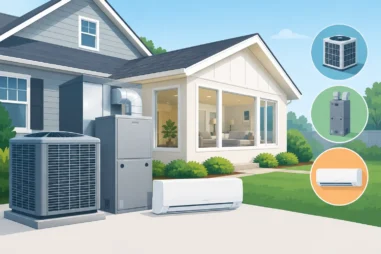
For specialized properties, the answer may not be a standard split system. Ductless units can serve additions and hard-to-condition rooms. Multi-zone systems can offer individual temperature control. Commercial rooftop equipment, make-up air needs, and tenant layouts may require engineering support and a phased installation plan.
Tamco Air helps New Jersey homeowners and commercial property owners evaluate repair and replacement options with clear recommendations, certified technicians, and scheduling built around minimizing disruption. A free estimate gives you the information to decide before an aging system turns into an urgent failure.
If your HVAC system is giving you repeated warning signs, do not wait for the hottest or coldest day of the year to find out whether it can make it through another season. A professional evaluation now can protect your comfort, your budget, and your peace of mind.