


 18 Jan 2026

Air conditioning is something most people rely on every day, especially during hot summer months, yet very few truly understand how it works. Many homeowners only think about their air conditioner when it stops cooling properly or starts making unusual noises. Understanding the basic principles behind how an air conditioner works can help you recognize problems early, make better maintenance decisions, and communicate more effectively with HVAC professionals.
As mechanical engineer and HVAC educator Thomas Keller explains, “Air conditioning is not about creating cold air. It’s about removing heat from indoor spaces and releasing it elsewhere.” Once you understand this concept, the entire system becomes much easier to grasp.
This beginner’s guide explains how air conditioners work, breaks down the main components, and clarifies what happens during a typical cooling cycle. Whether you own a home system or manage a larger property, this knowledge provides a strong foundation for smarter HVAC decisions.
What an Air Conditioner Actually Does
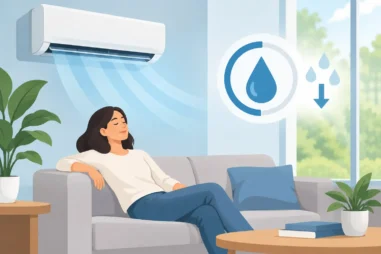
At its core, an air conditioner removes heat and humidity from indoor air. Instead of producing cold air, the system transfers heat from inside your home to the outdoors. This heat transfer process is what lowers the temperature and improves comfort.
Warm air inside your home contains both heat energy and moisture. An air conditioner pulls this air in, extracts the heat, removes excess humidity, and then circulates cooler, drier air back into the space. The removed heat is expelled outside through the outdoor unit.
This process happens continuously while the system is running, allowing indoor temperatures to remain stable even during extreme heat.
The Main Components of an Air Conditioning System
To understand how an air conditioner works, it’s important to know the key components involved. Each part plays a specific role in the cooling process.
The main components include:
- Thermostat — Detects indoor temperature and signals the system to turn on or off.
- Evaporator coil — Absorbs heat from indoor air.
- Compressor — Pressurizes and moves refrigerant through the system.
- Condenser coil — Releases absorbed heat outdoors.
- Expansion valve — Regulates refrigerant flow and pressure.
- Fan systems — Circulate air across coils and through ductwork.
These components work together as a closed-loop system. If one part fails, the entire cooling process becomes inefficient or stops altogether.
Step-by-Step: How the Cooling Cycle Works
The cooling process follows a continuous cycle that repeats as long as the air conditioner is running. Understanding this sequence makes troubleshooting much easier.
First, warm indoor air is drawn into the system through return vents. This air passes over the evaporator coil, which contains cold refrigerant. As the warm air flows across the coil, the refrigerant absorbs heat from the air. Moisture in the air also condenses on the coil, reducing indoor humidity.
Next, the refrigerant — now warmed and in a gaseous state — travels to the compressor. The compressor increases the refrigerant’s pressure and temperature, preparing it to release heat outdoors. This stage is critical, as the compressor acts as the heart of the system.
The hot, pressurized refrigerant then moves to the condenser coil located in the outdoor unit. Here, outdoor air is blown across the coil by a fan, allowing heat to dissipate into the outside environment. As the refrigerant releases heat, it condenses back into a liquid state.
Finally, the liquid refrigerant passes through the expansion valve, which lowers its pressure and temperature before it returns to the evaporator coil. The cycle then repeats, continuously removing heat from your home.
Why Refrigerant Is So Important
Refrigerant is the substance that makes heat transfer possible. It has special properties that allow it to absorb heat at low temperatures and release it at higher ones.
Without refrigerant, the air conditioner cannot remove heat from indoor air. Low refrigerant levels or leaks disrupt the cooling cycle and reduce efficiency. That’s why professional inspections and proper refrigerant handling are essential for long-term system performance.
Regular maintenance services such as coil cleaning for peak performance help ensure refrigerant can absorb and release heat efficiently without unnecessary strain on the system.
The Role of Fans and Airflow
Airflow is just as important as refrigerant in the cooling process. Even a perfectly charged system cannot cool effectively if air is not moving properly.
There are typically two fan systems involved:
- Indoor blower fan — Pushes conditioned air through ductwork and into living spaces.
- Outdoor condenser fan — Removes heat from the condenser coil by pulling air across it.
When fans fail or become unbalanced, airflow suffers. This can lead to uneven cooling, frozen coils, or overheating components. Professional fan motor services help maintain proper airflow and prevent avoidable system damage.
How Humidity Is Removed During Cooling
One often-overlooked benefit of air conditioning is humidity control. As warm air passes over the cold evaporator coil, moisture condenses and drains away through the condensate system.
Lower humidity makes indoor air feel cooler and more comfortable, even at slightly higher temperatures. This is why air-conditioned spaces often feel pleasant without needing extreme cooling settings.
If condensate lines clog or coils become dirty, moisture removal is compromised. This can result in water leaks or musty odors, both of which indicate the system needs attention.
Central Air Conditioning vs Other Systems
Central air conditioning systems are the most common in residential homes, but they are not the only option. Understanding how central systems differ helps clarify how cooling is distributed.
Central air systems use ductwork to deliver cooled air throughout the entire home. Other systems include:
- Ductless mini-split systems — Cool individual rooms without ducts.
- Window air conditioners — Serve single spaces and combine all components in one unit.
- Portable air conditioners — Offer temporary cooling but limited efficiency.
Central systems provide the most consistent temperature control, especially when properly sized and installed. Services such as new HVAC installation ensure systems are matched correctly to the size and layout of the home.
Common Problems That Affect How an Air Conditioner Works
Even though the cooling process is reliable, certain issues can interfere with normal operation. Understanding these problems helps homeowners know when to seek professional help.
Some of the most common issues include:
- Dirty evaporator or condenser coils reducing heat transfer
- Low refrigerant levels from leaks
- Faulty thermostats sending incorrect signals
- Worn fan motors affecting airflow
- Blocked condensate drains causing water leaks
When these problems occur, cooling efficiency drops and energy consumption increases. Addressing them early helps avoid more costly repairs later.
Why Proper Maintenance Matters
Air conditioners operate under significant stress during peak cooling months. Without maintenance, components wear out faster and efficiency declines.
Routine professional maintenance includes:
- Inspecting refrigerant levels
- Cleaning coils and drain lines
- Checking electrical connections
- Testing fan motors and airflow
- Verifying thermostat accuracy
For homeowners, scheduled inspections through residential HVAC services help maintain comfort and reduce unexpected breakdowns during extreme heat.
How Air Conditioning Impacts Energy Use
Cooling typically accounts for a large portion of summer energy bills. When an air conditioner operates efficiently, it uses less electricity while delivering consistent comfort.
High-efficiency systems, clean coils, balanced airflow, and correct sizing all play a role in reducing energy consumption. Even small inefficiencies — like dirty filters or low refrigerant — can significantly increase operating costs over time.
Understanding how your system works empowers you to make smarter energy decisions and recognize when performance starts to decline.
When to Repair vs Replace an Air Conditioner
Knowing how an air conditioner works also helps determine whether repair or replacement is the better option. Older systems often require frequent repairs and consume more energy.
Replacement may be worth considering if:
- The system is over 10–15 years old
- Repairs are becoming frequent or costly
- Cooling performance is inconsistent
- Energy bills continue to rise
Modern systems are designed to operate more efficiently and reliably, making them a smart long-term investment when older units struggle to keep up.
FAQ
- Does an air conditioner create cold air?
No. It removes heat from indoor air and releases it outdoors, which makes indoor spaces feel cooler. - Why does my air conditioner run but not cool?
This can be caused by low refrigerant, dirty coils, poor airflow, or thermostat issues. A professional inspection is recommended. - How often should an air conditioner be serviced?
At least once a year, ideally before the cooling season begins. - Is refrigerant dangerous?
Refrigerant must be handled by certified professionals. Leaks can reduce efficiency and may pose health or environmental risks. - Can understanding my AC system really help prevent problems?
Yes. Knowing how the system works makes it easier to recognize warning signs and address issues early.